
Discover the Gardens of Norfolk: BBC Gardeners’ World Magazine September 2026




David’s tour highlight…
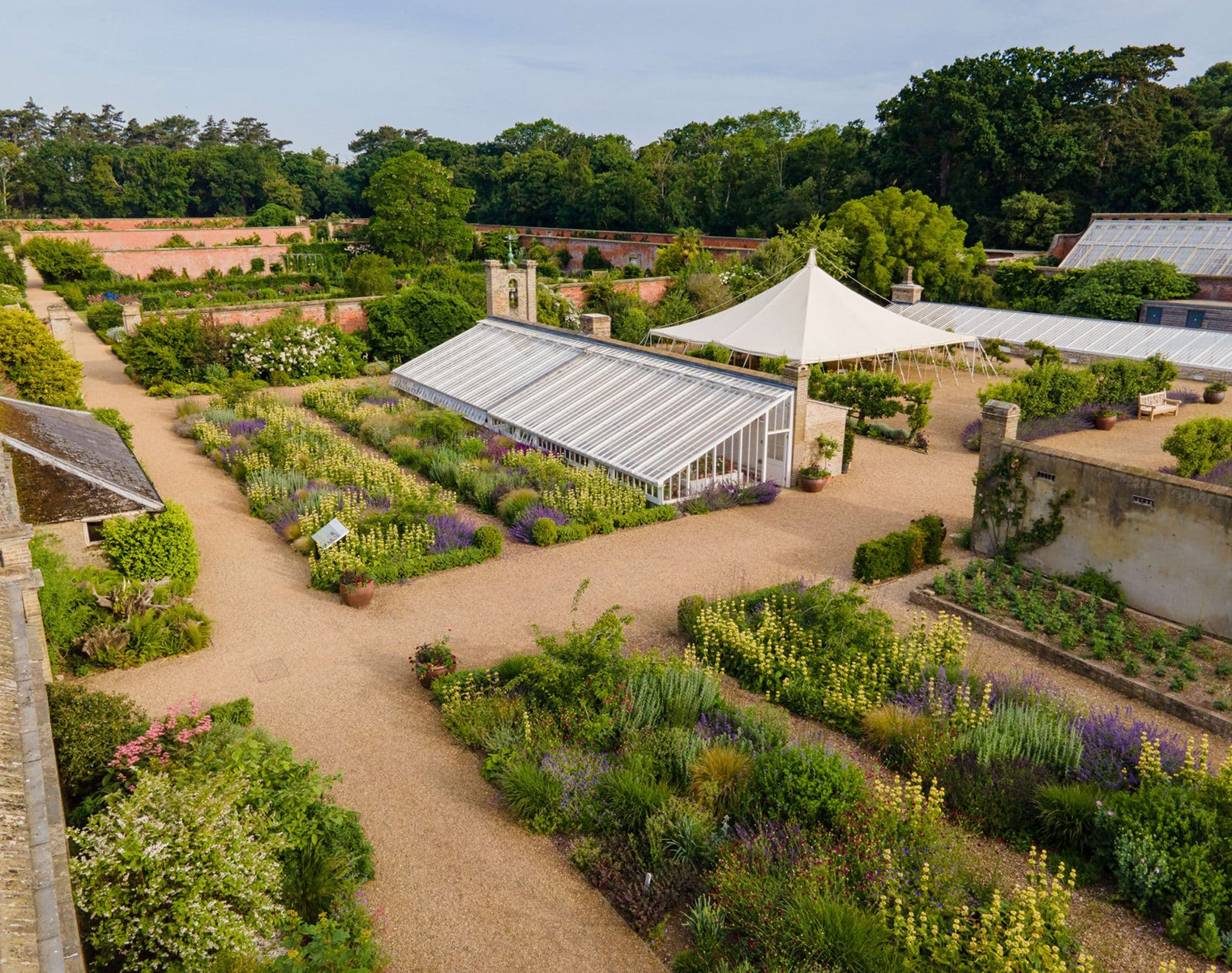
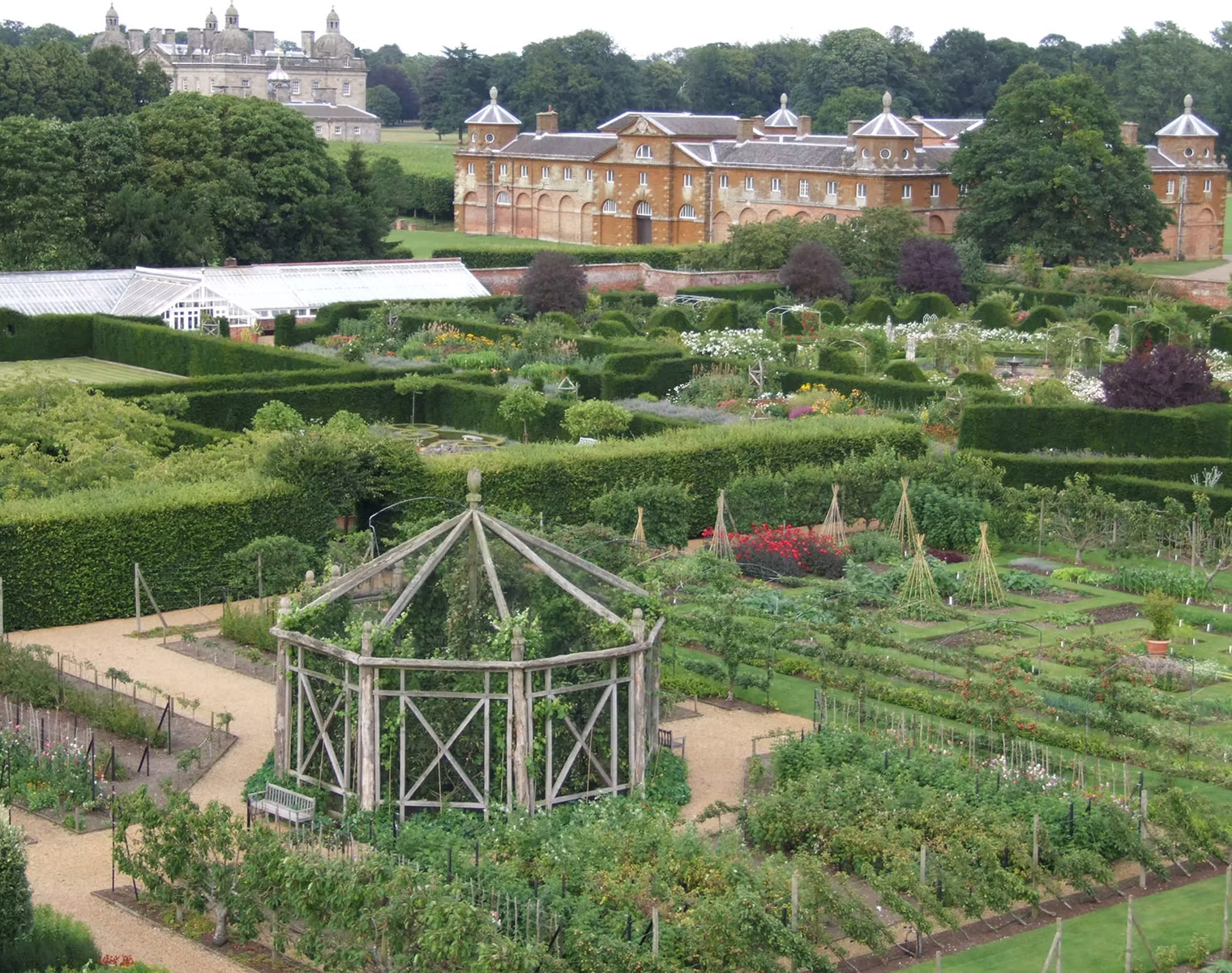
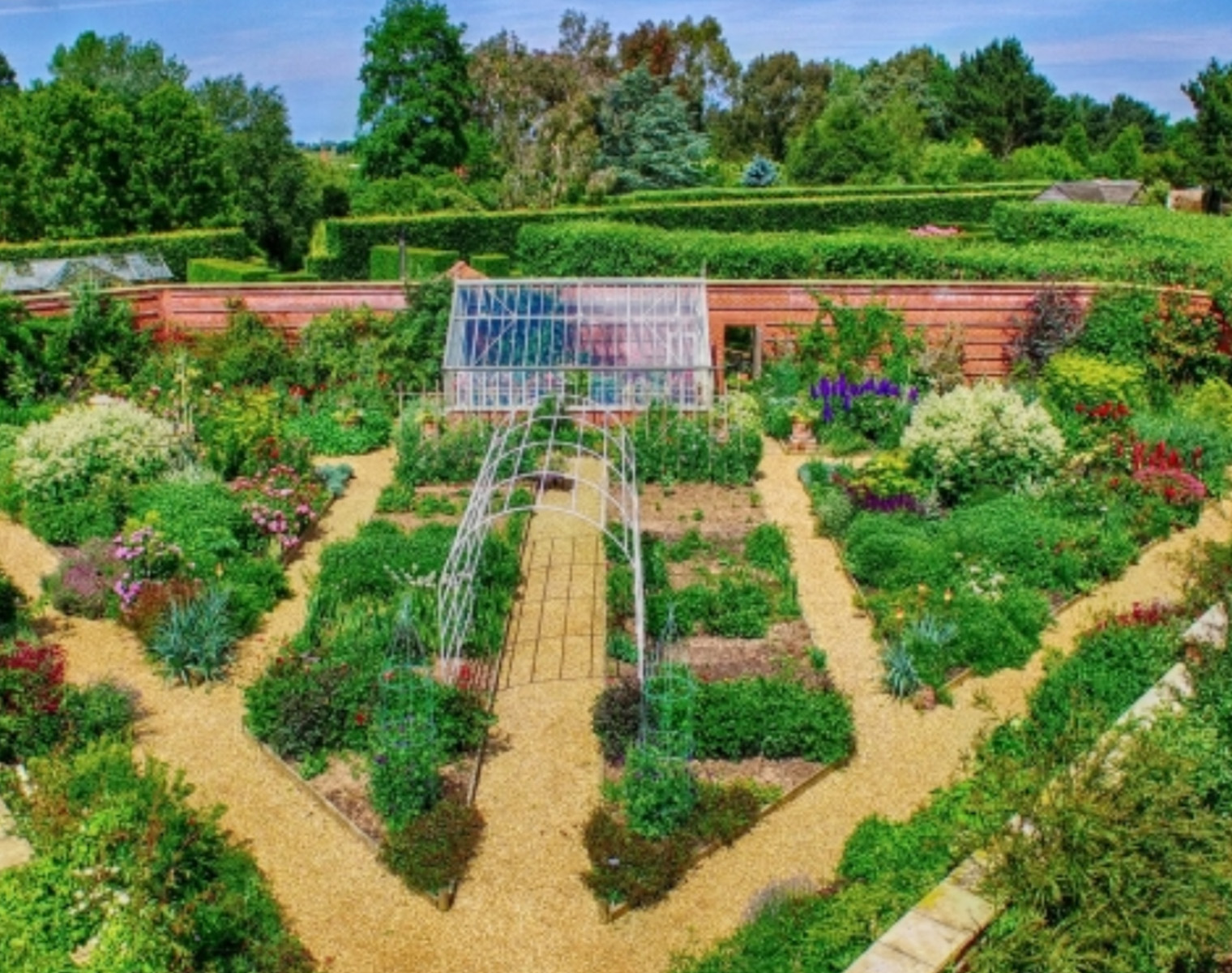
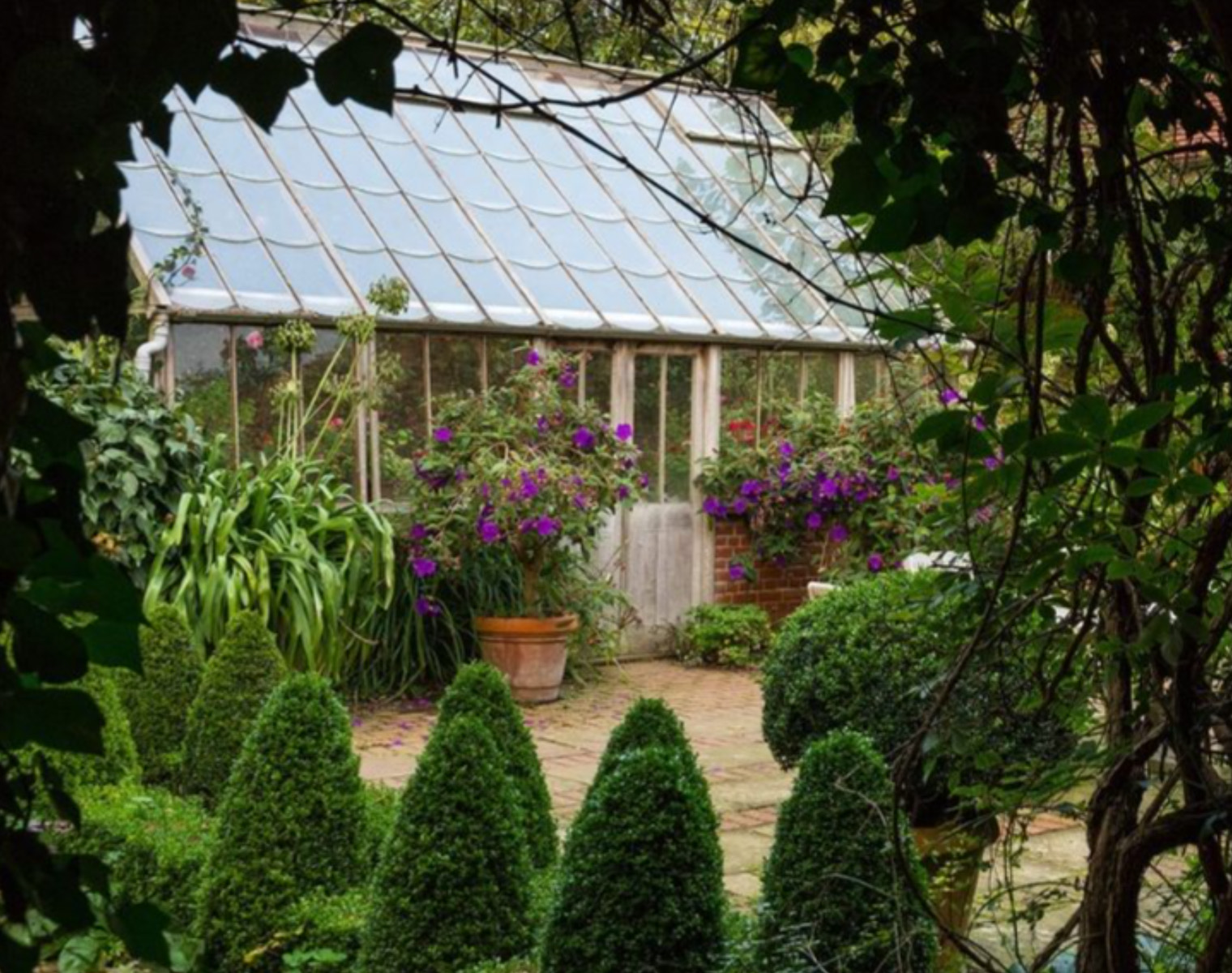
“The Walled Gardens at Holkham are special to me because they’re where I began my career in horticulture – learning the discipline, the craft and the quiet pride that comes from growing well. Inside those walls, you feel what a walled garden is truly for: shelter, productivity and beauty working together. Returning now is deeply personal; it’s like stepping back to the roots of everything I do.”
Norfolk has a quiet confidence about it. The skies feel bigger, the light is softer, and the landscape has a spaciousness that instantly slows your pace. As your tour leader, I love bringing gardeners here because Norfolk doesn’t shout for attention – yet it consistently delivers: great design, serious plant knowledge, and gardens that feel rooted in place. It’s a county shaped by coast and countryside, by big estates and small nurseries, and by a long tradition of people who understand plants not as decoration, but as living craft.
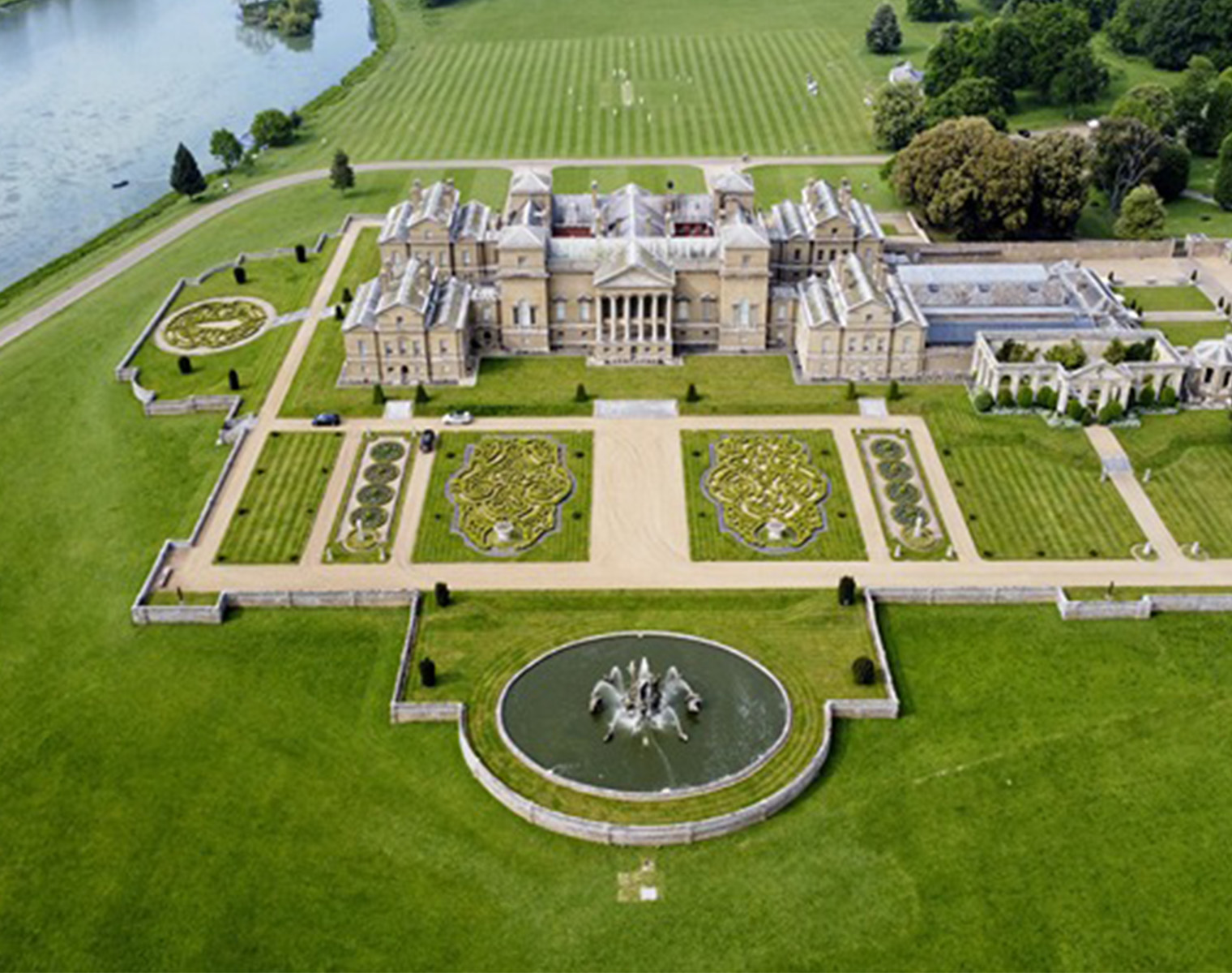
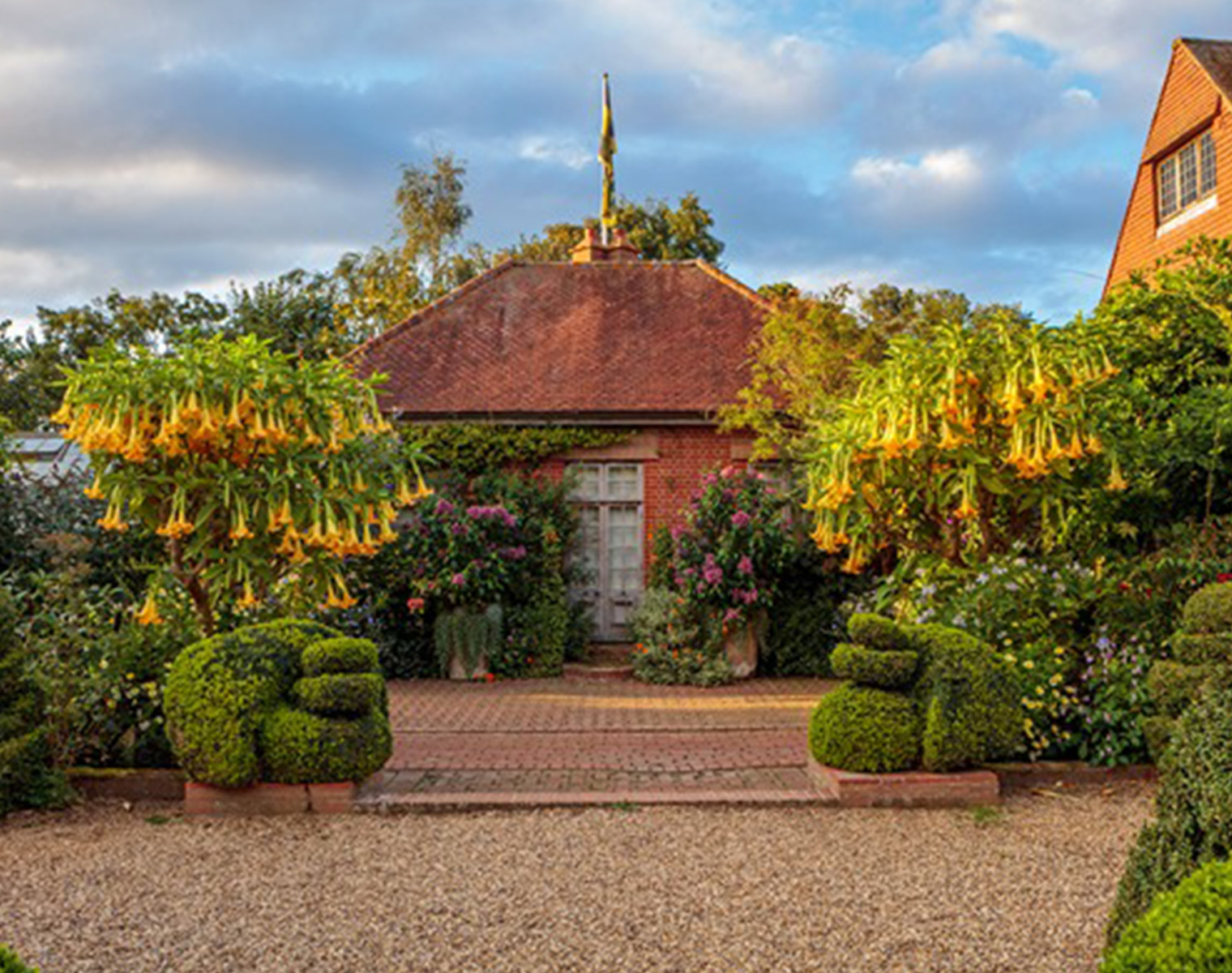
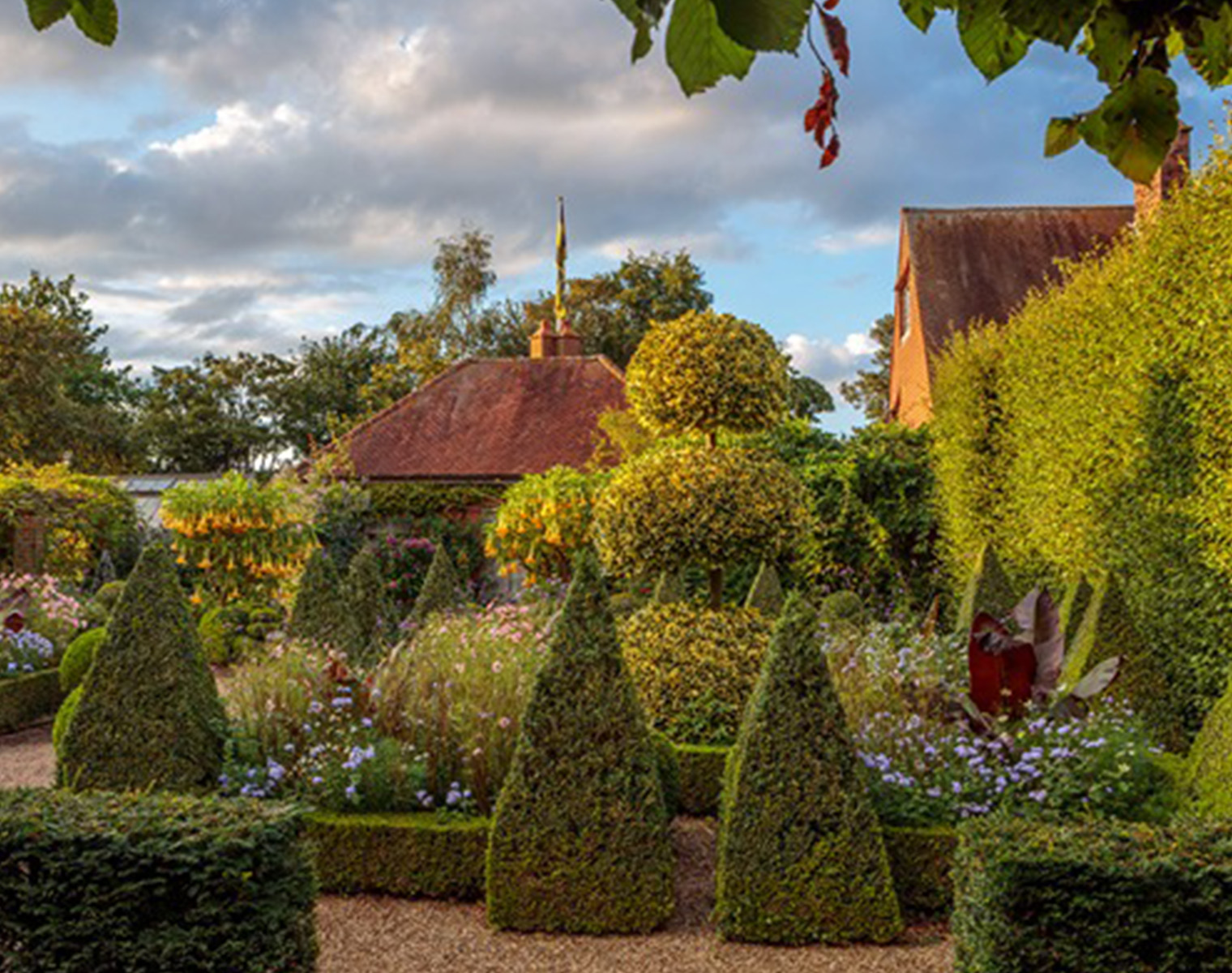
This tour is a celebration of that spirit, taking in a wonderful mix of grand landscapes and intimate, plant-led gardens. We’ll visit my favourite gardens including Holkham Walled Garden, the celebrated coastal planting at East Ruston Old Vicarage Garden, the richly layered borders of Blickling Estate, the artistry and atmosphere of Houghton Hall & Gardens, and the inspiring, contemporary naturalism of Pensthorpe Natural Park. Each offers a different lesson in how gardens can be shaped by place – wind, light, soil and history – while still feeling personal and full of joy.
Norfolk garden style: big skies, coastal light and planting with purpose
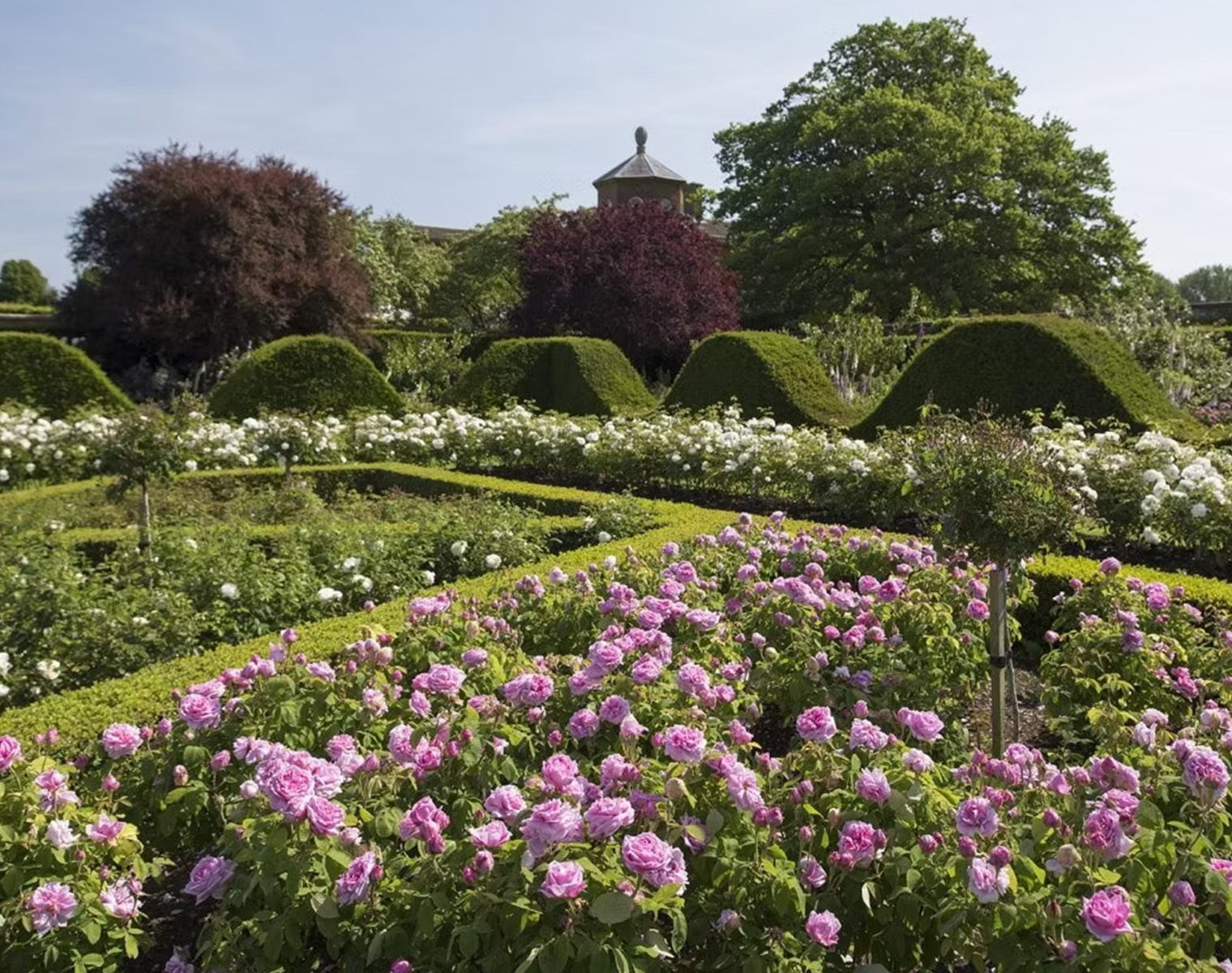
Norfolk’s gardens are deeply influenced by their environment. The county’s famous light – especially near the coast – makes foliage look cleaner and flower colour feel more vivid. Wind is a constant design partner, which is why you’ll see so much attention paid to shelter: hedges, walls, belts of trees, and layered planting that creates microclimates.
That’s exactly why gardens like Holkham and East Ruston are so compelling. Both show how to garden well in exposed conditions – using shelter, structure and bold plant choices to create abundance without fuss. If you garden at home, you’ll come away with ideas that aren’t just inspiring, but achievable: how to use repetition for calm, how to extend seasonal interest with grasses and seed heads, and how to make a border look good even when the weather has had its say.
Holkham Walled Garden: shelter, craftsmanship and the joy of growing well
A walled garden is never just a pretty enclosure – it’s a working tool, and Holkham Walled Garden demonstrates that beautifully. Step inside and you can feel the microclimate immediately: less wind, more warmth, and a sense of protection that allows plants to thrive.
What I love about Holkham is the balance it strikes between productivity and pleasure. There’s a clarity to the layout and a confidence in the planting, with structure supporting seasonal change. For gardeners, it’s endlessly satisfying because it offers detail at human scale: training methods, succession planting, and the way good soil and good husbandry underpin everything.
East Ruston Old Vicarage Garden: coastal planting with atmosphere and flair
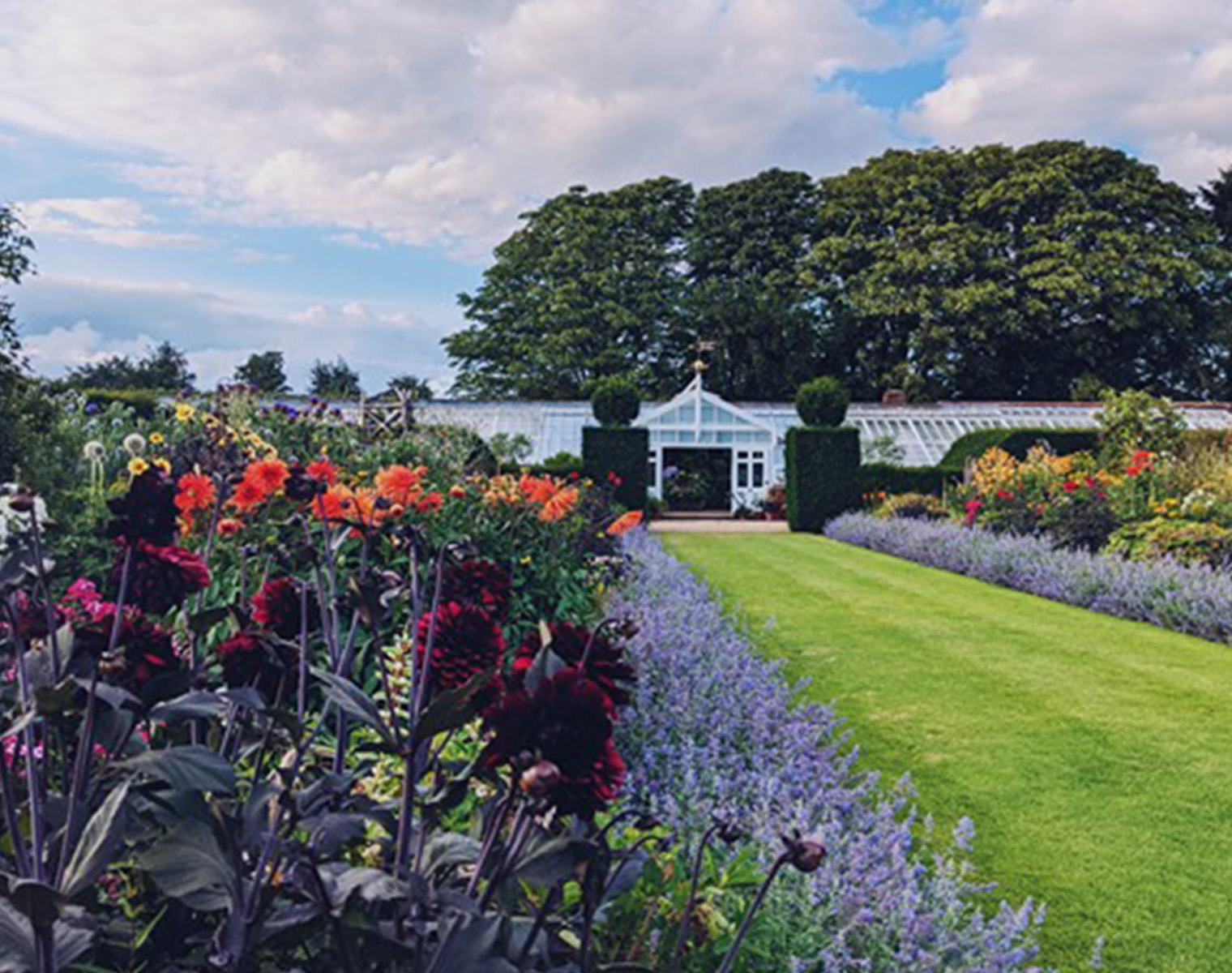
East Ruston Old Vicarage Garden is one of those places that stays with you. It’s a garden shaped by the coast – salt-laden winds, open skies, and that particular Norfolk light – yet it feels richly sheltered and deeply atmospheric.
The planting is generous and layered, with clever use of hedging and enclosure to create a sequence of garden rooms. You’ll find strong structure, but also softness: foliage, texture, and combinations that feel both adventurous and harmonious. It’s a brilliant lesson in how to garden in challenging conditions without ever looking as though you’re fighting the site.
Blickling Estate: long borders, historic bones and seasonal rhythm
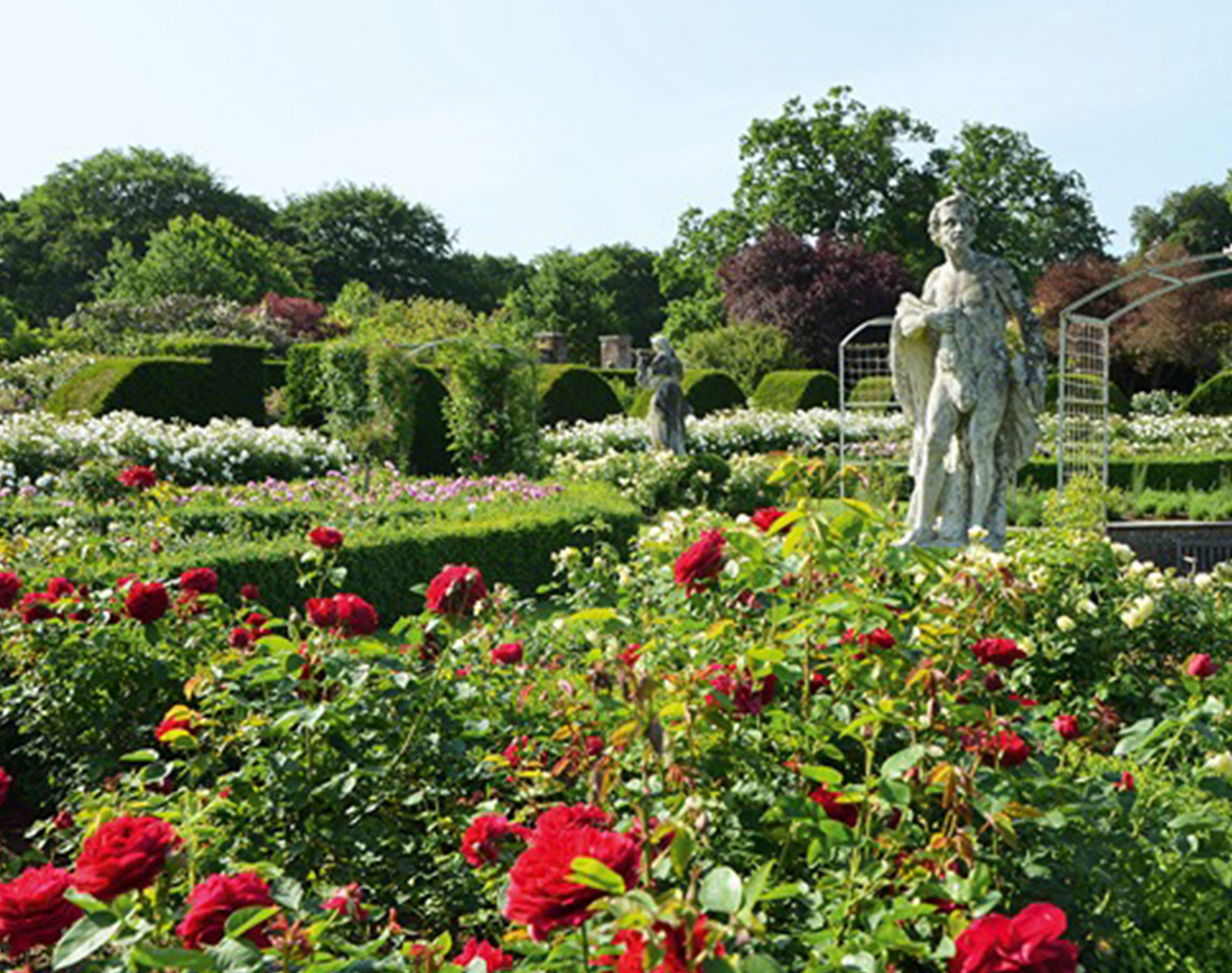
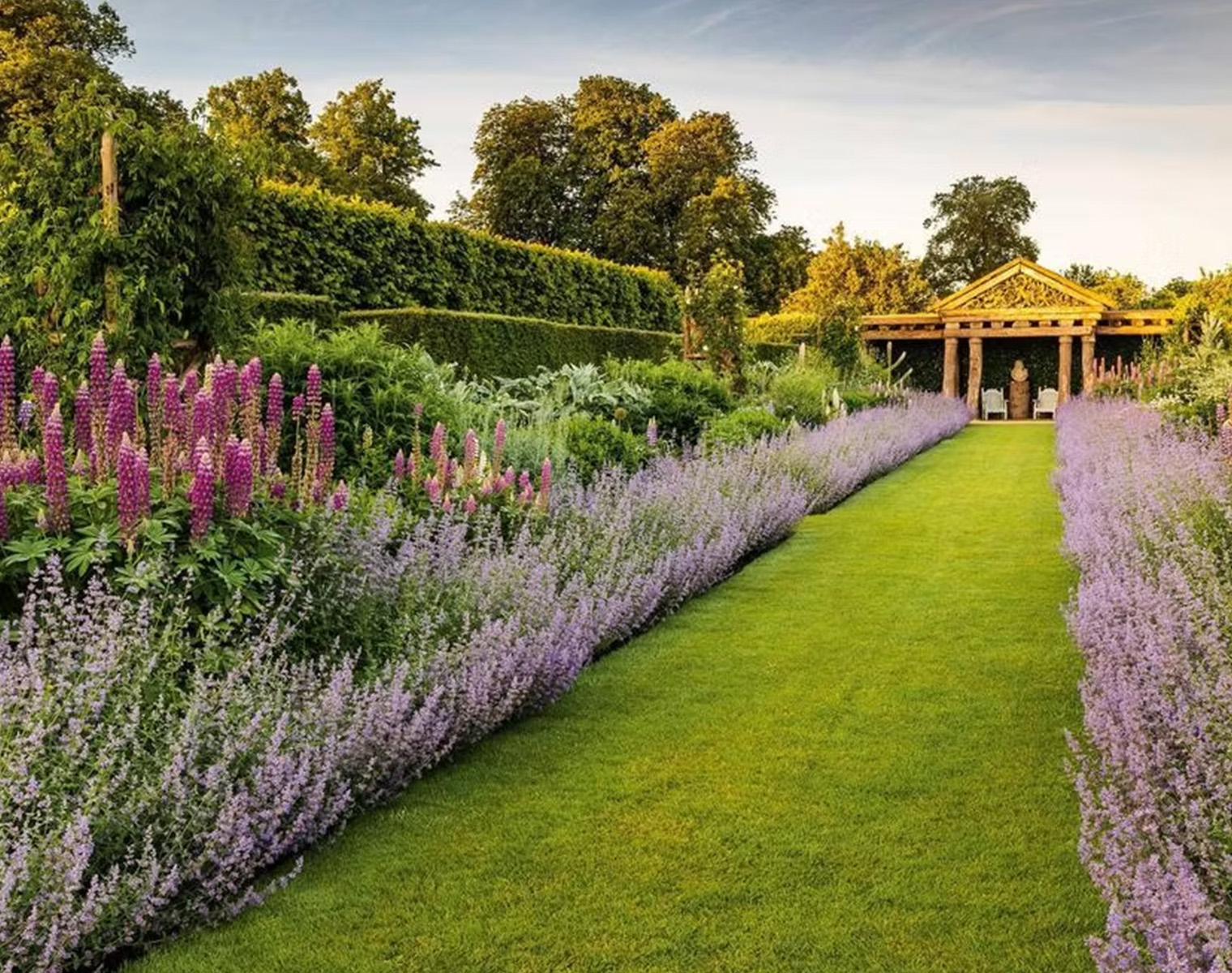
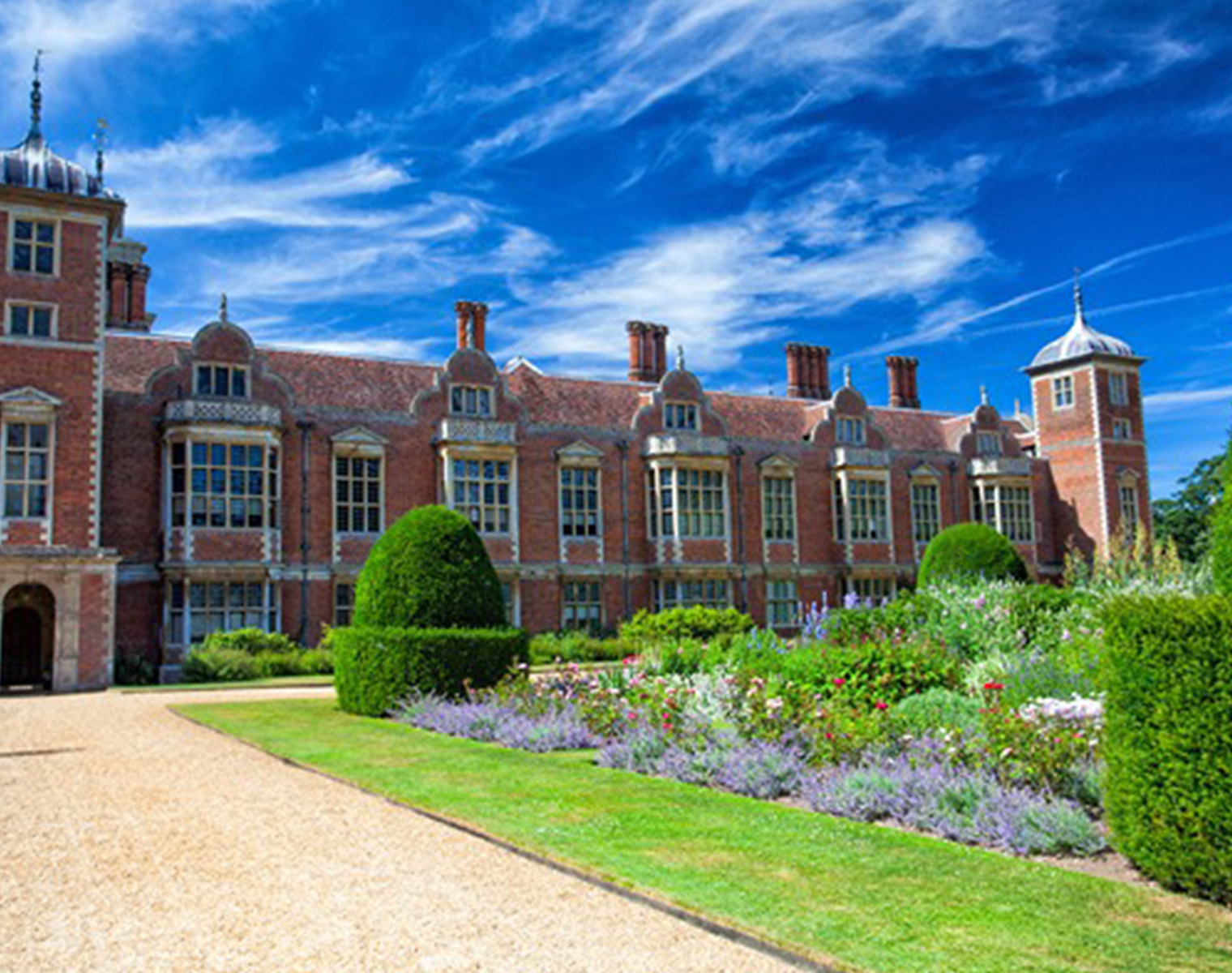
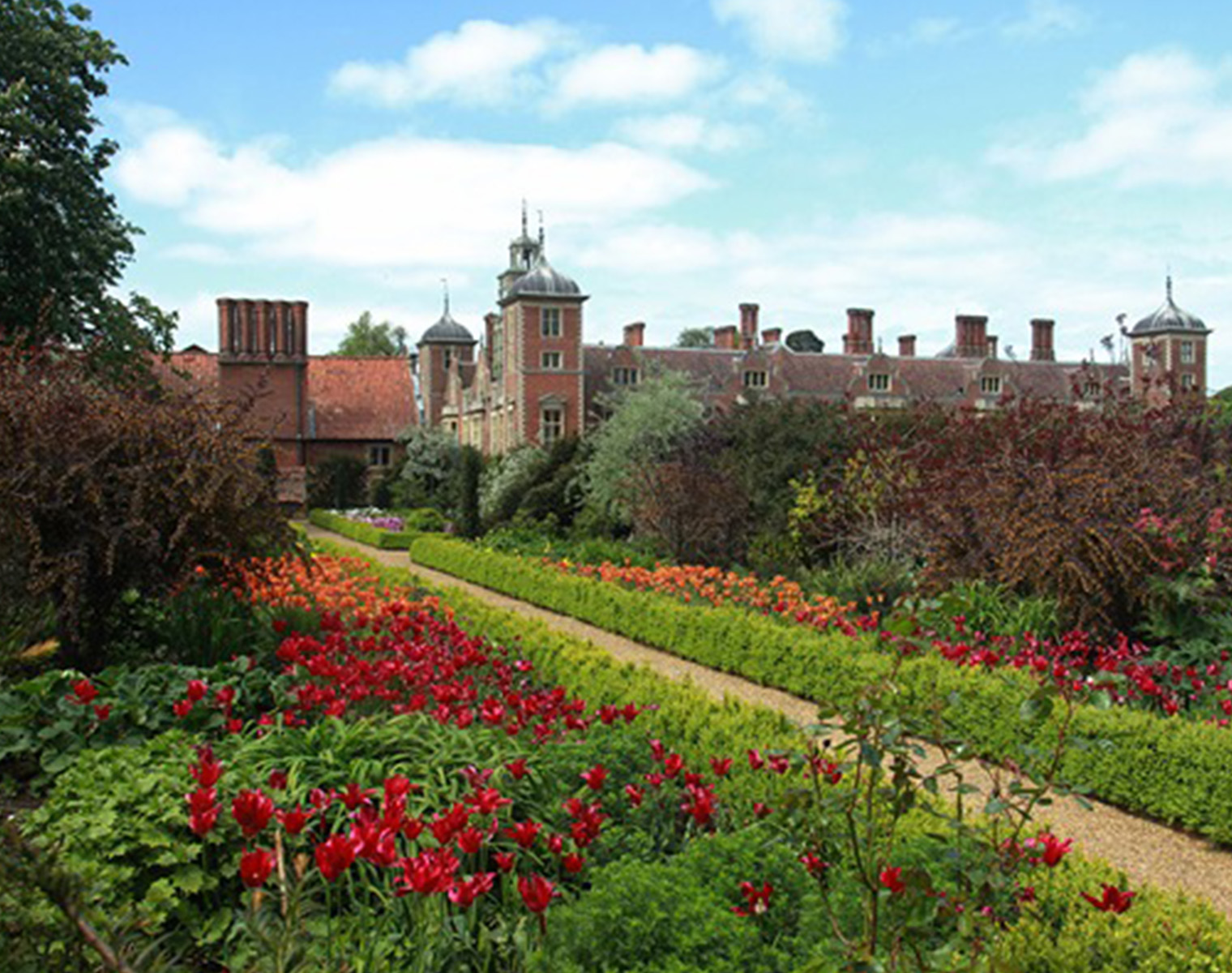
At Blickling Estate, you feel the power of a garden with strong “bones”. Historic structure gives the garden its sense of place, while the planting brings it to life – changing through the seasons, offering colour, texture and movement.
Blickling is a wonderful place to study proportion and rhythm: how repetition creates calm, how long borders can be edited for impact, and how trees and hedges provide a backdrop that makes planting sing. It’s also a reminder that great gardens don’t rely on constant novelty; they rely on good decisions, repeated well.
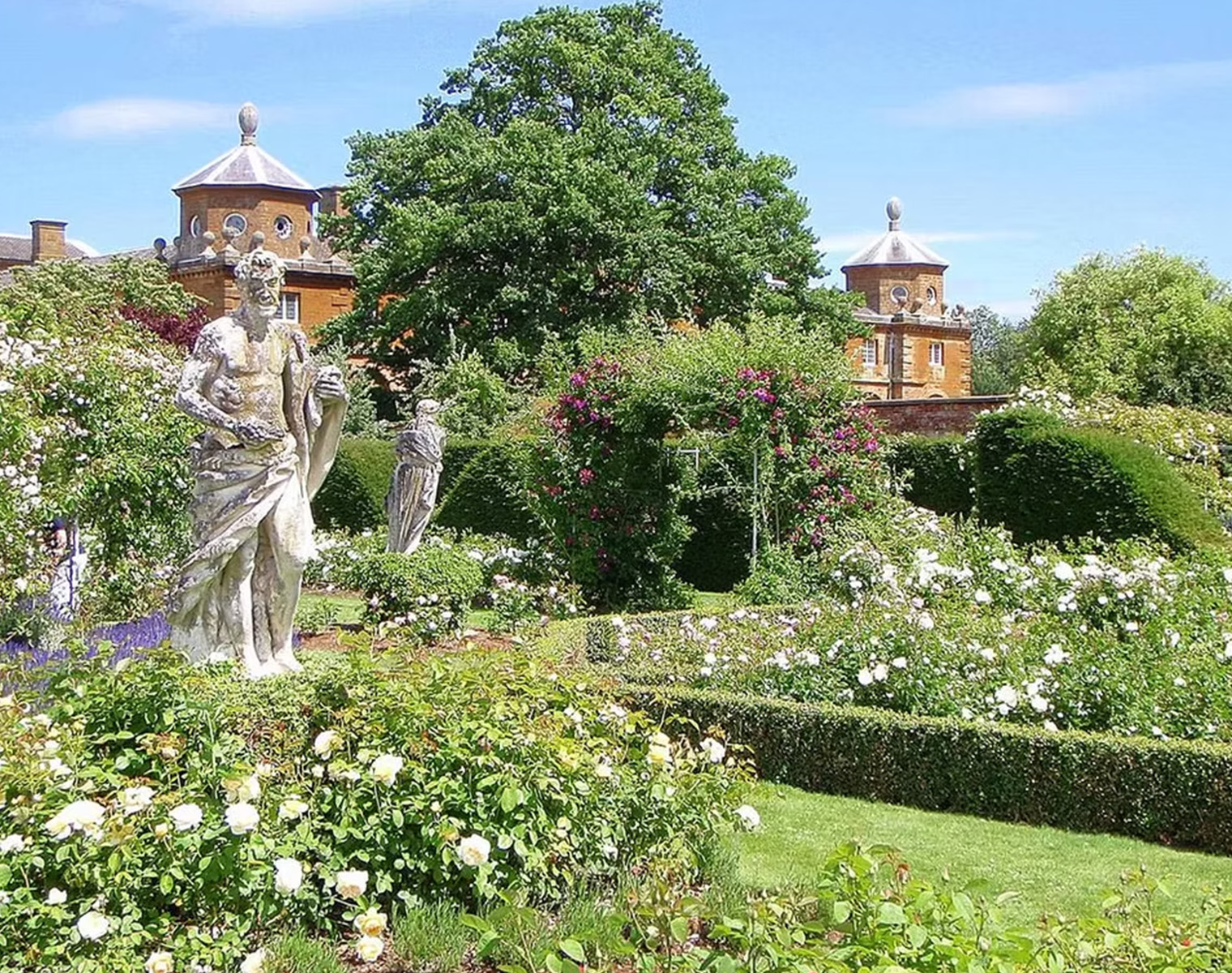
Houghton Hall & Gardens and Pensthorpe Natural Park: contemporary ideas in a Norfolk landscape
Norfolk isn’t only about heritage – it’s also a county where contemporary garden-making feels confident and fresh. Houghton Hall & Gardens brings a sense of artistry and surprise: a place where landscape, planting and creative interventions combine to keep you looking, questioning and enjoying.
Then there’s Pensthorpe Natural Park, which offers a different kind of inspiration altogether. It’s a celebration of naturalistic planting and habitat – gardening that supports wildlife, embraces seasonal change, and shows how beautiful nature-led design can be. If you’re interested in pollinators, seed heads, grasses, and the softer edges of planting design, Pensthorpe is a real highlight.
By the end of the Gardens of Norfolk tour, what I hope you’ll feel is not just that you’ve seen wonderful places, but that you’ve experienced a region with a distinct horticultural identity. Norfolk gardens have soul. They’re shaped by weather and light, by history and hard work, and by gardeners who understand that the best results come from patience and observation.
There’s also something restorative about this part of the country. The pace is gentler, the horizons are wider, and the gardens seem to breathe with the landscape rather than compete with it. It’s the sort of tour that sends you home with a clearer eye and a notebook full of ideas you’ll genuinely want to try.