
Gardens of Kent and Sussex August 2026






David’s tour highlight…
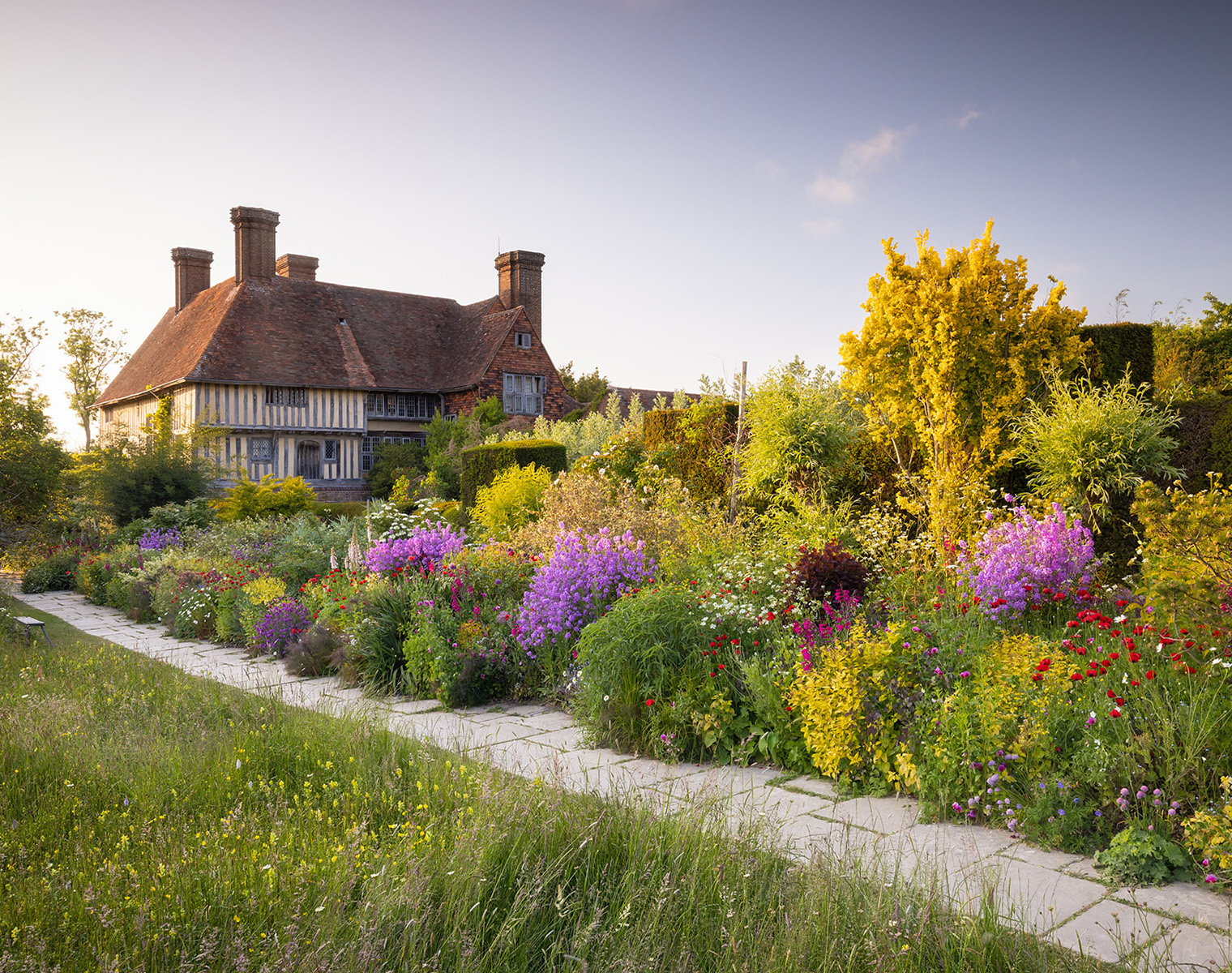
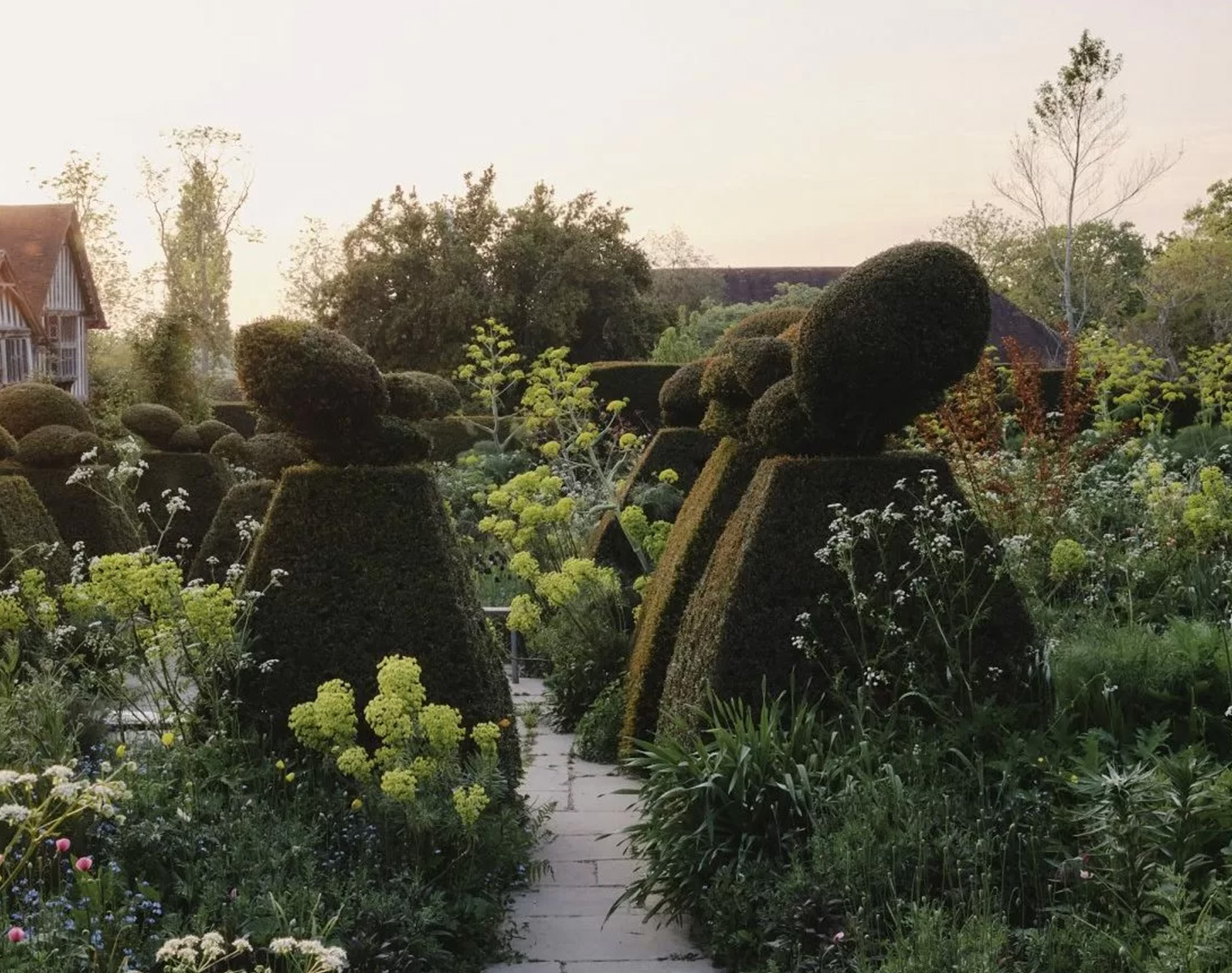
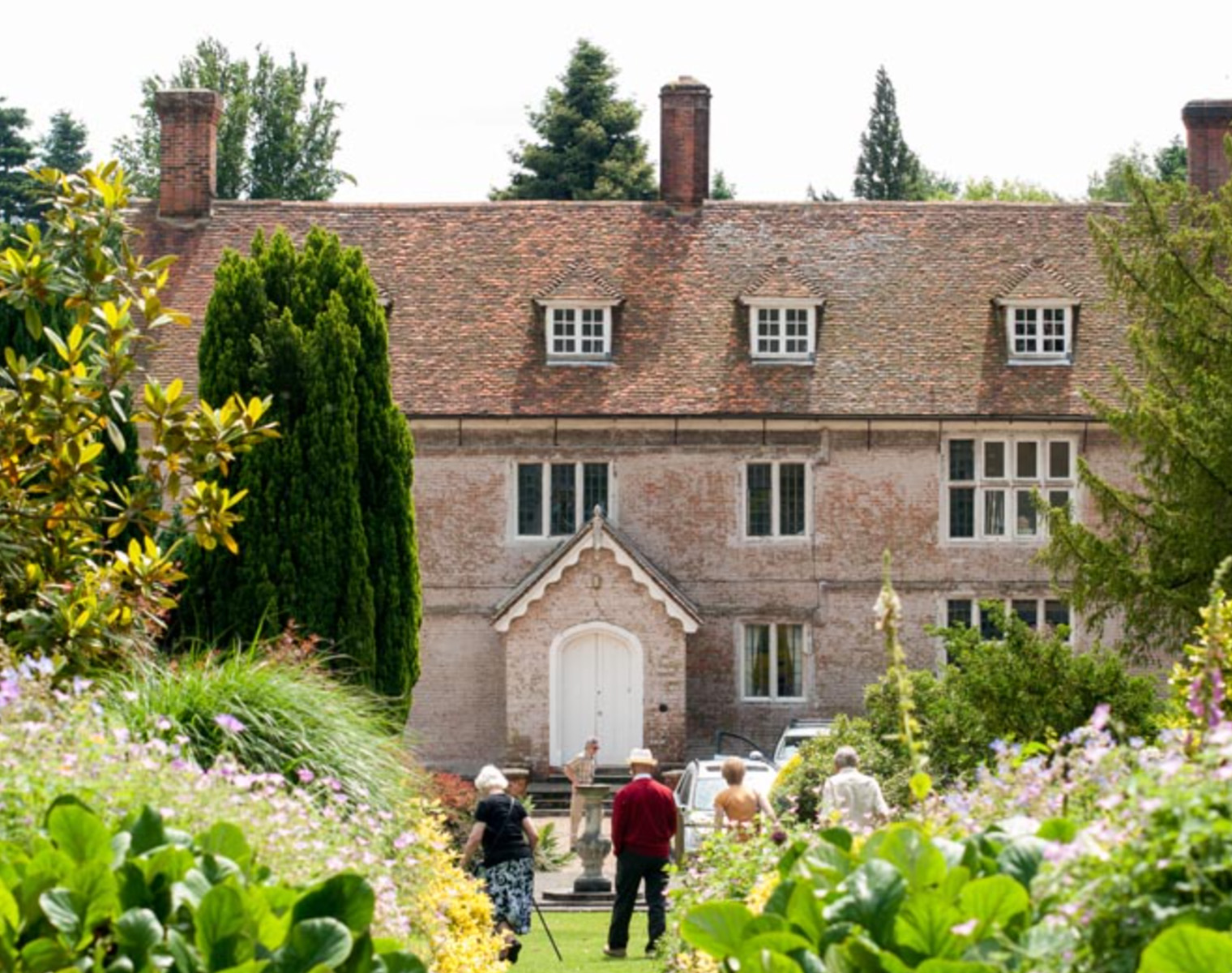
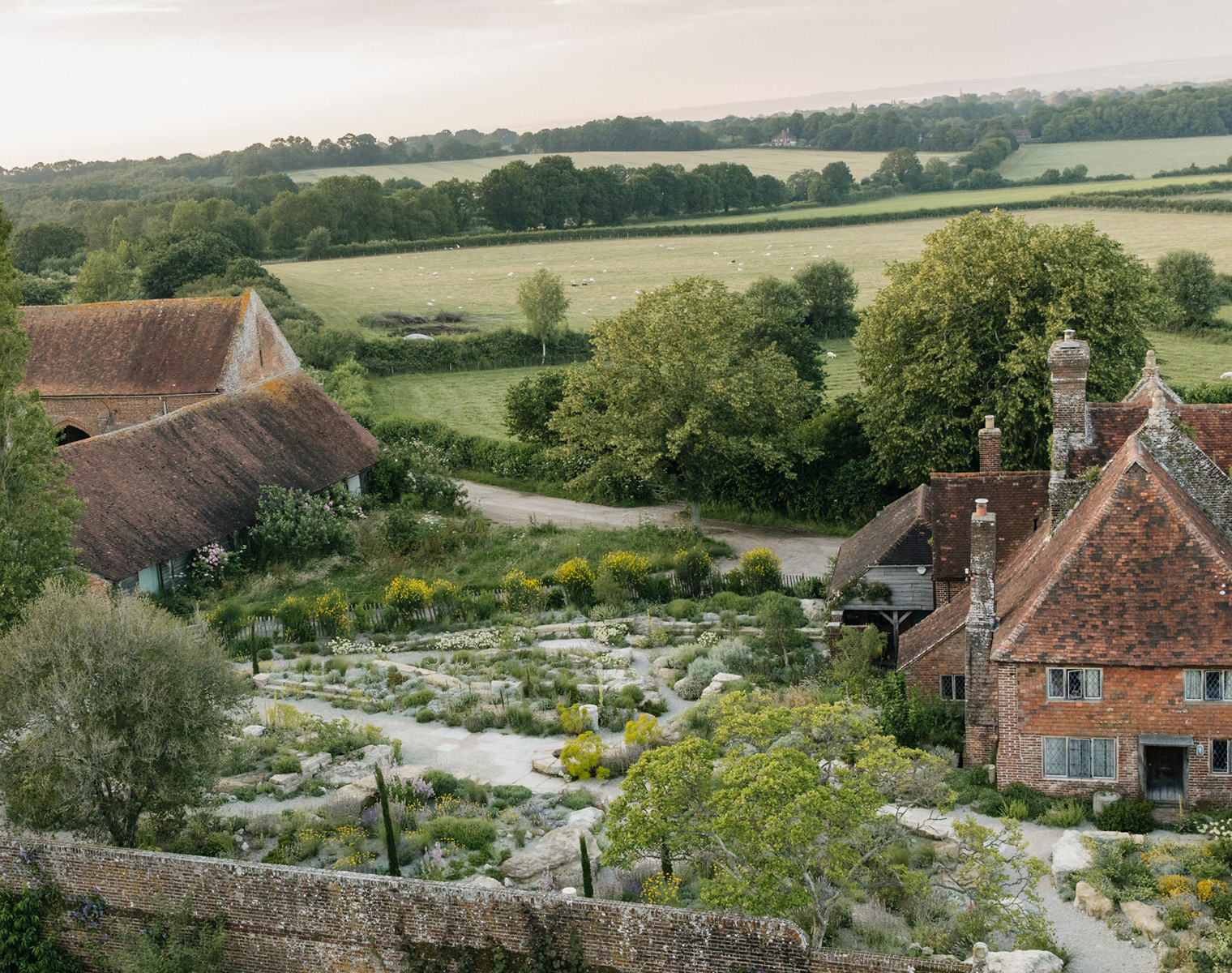
“Great Dixter is special because it’s gardening with the volume turned up: fearless, generous and brilliantly alive. It shows what happens when deep horticultural knowledge meets creative freedom – plants chosen for impact, layered for succession, and allowed to mingle with confidence. Every visit feels different, which is exactly the point. Dixter reminds me that gardens are never finished; they’re always becoming.”
Kent and Sussex are a true honeypot for gardeners. The light is generous, the climate is kind, and the landscape has that irresistible mix of rolling countryside, ancient woodland, orchards, oast houses and coastline. I love how quickly people relax here. There’s something about these counties that makes you want to look closely: at the way a hedge line frames a view, at how a border is edited for rhythm, at the way a garden can feel both deeply English and quietly experimental.
What makes this tour such a pleasure is the variety of garden experiences. We’ll move between iconic, plant-led gardens and grander settings where history and design are written into the land. And because Kent and Sussex have long been magnets for passionate gardeners, you’ll find a distinctive confidence here: gardens that aren’t trying to impress with gimmicks, but with craft – good structure, thoughtful planting, and atmosphere you can’t fake.
Why Kent and Sussex are England’s garden heartland
These counties sit in a sweet spot. Sheltered in places, warmed by the south-easterly aspect, and blessed with long growing seasons, they’re ideal for ambitious planting. You’ll notice it in the scale of herbaceous borders, the maturity of trees and shrubs, and the sheer range of plants that thrive.
But it’s not only climate. There’s a deep gardening culture here – generations of plant people, nurseries, collectors and designers who have shaped what we now think of as “garden style”. The result is a landscape full of inspiration: formal lines softened by generous planting, wild edges that still feel intentional, and gardens that understand the power of a good view.
Sissinghurst Castle Garden: garden rooms and romantic planting
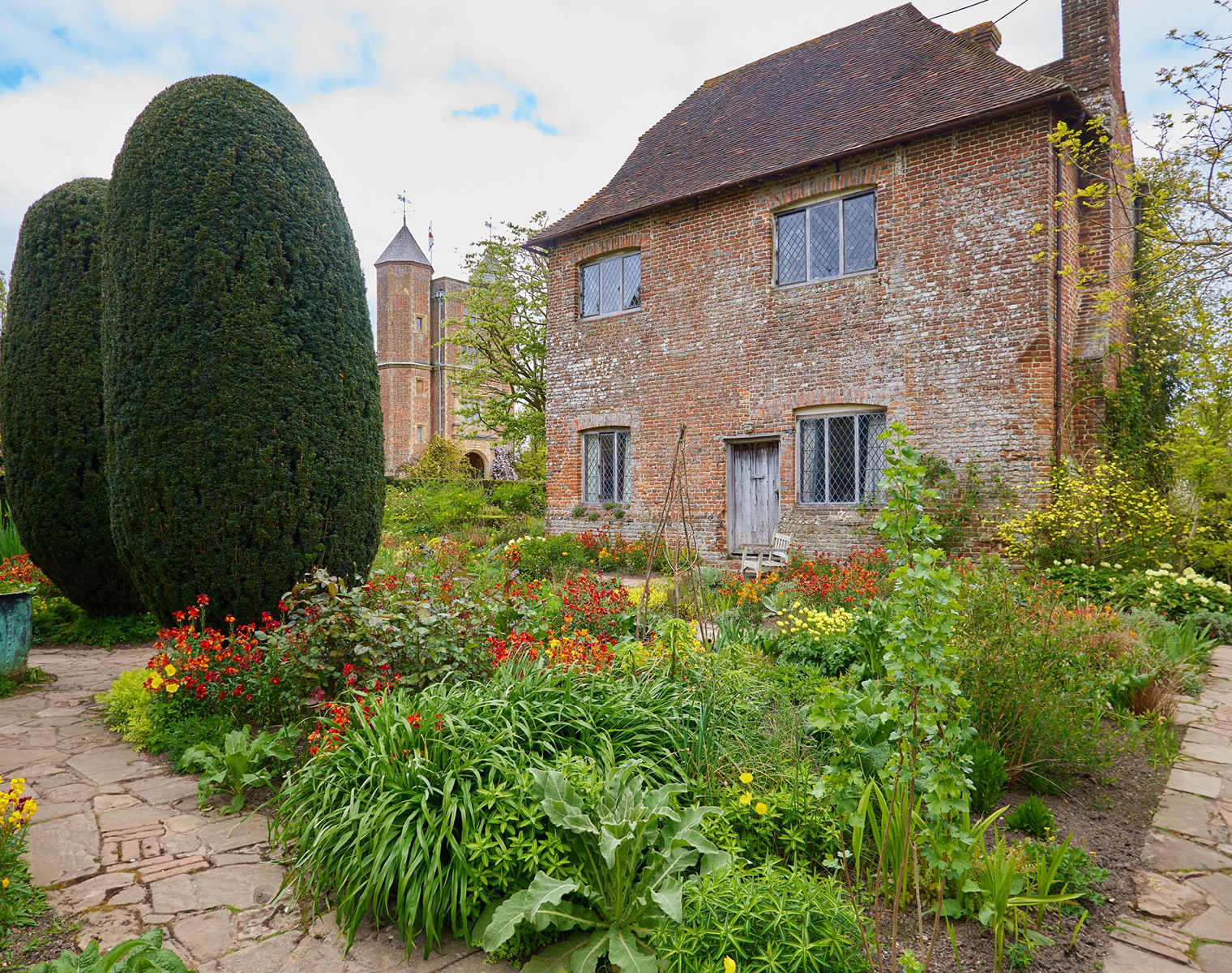
Sissinghurst is one of those places that every gardener should experience at least once, because it teaches you how to think in rooms. The genius isn’t just the planting – though that’s wonderful – it’s the way the garden is composed: enclosed spaces, each with its own mood, linked by paths that reveal and conceal.
I always encourage guests to notice how structure does the heavy lifting. Hedges, walls and clipped forms create calm and clarity, so the planting can be exuberant without becoming messy. It’s also a masterclass in colour and restraint: how to build a palette, how to repeat key plants for cohesion, and how to let foliage and form support the flowers.
And then there’s the atmosphere – romantic, yes, but also surprisingly practical. You come away ambitious to take on projects in your own plot, whether it’s a simple archway, a clipped hedge boundary or a border that relies on shape and foliage as much as bloom.
Great Dixter: fearless plantsmanship and a garden that never stands still
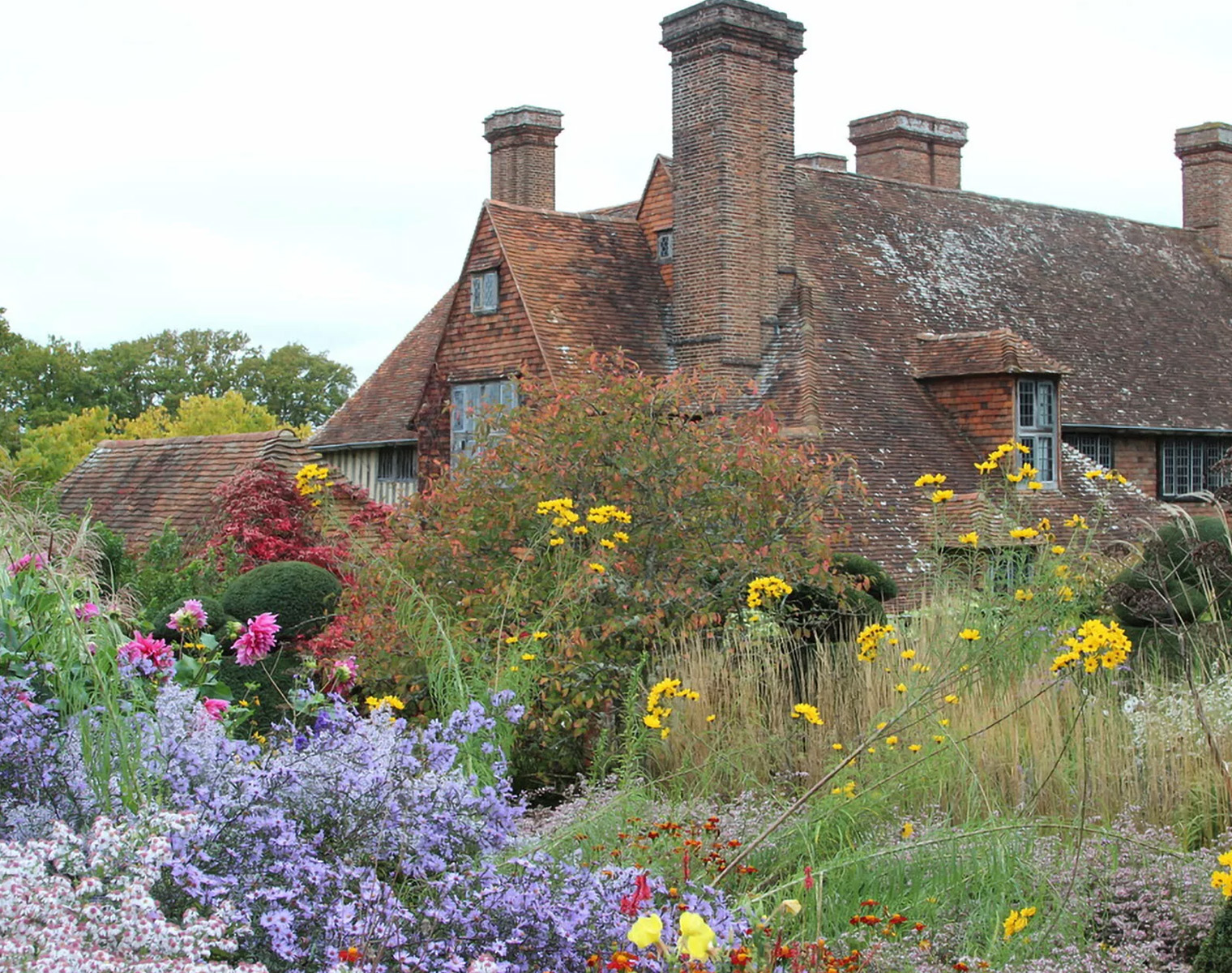
Great Dixter is the garden that wakes you up. It’s bold, lively, and gloriously unafraid of strong combinations. Where some gardens aim for perfection, Dixter aims for life – plants jostling, self-seeding, spilling, and somehow always landing in a way that feels thrilling rather than chaotic.
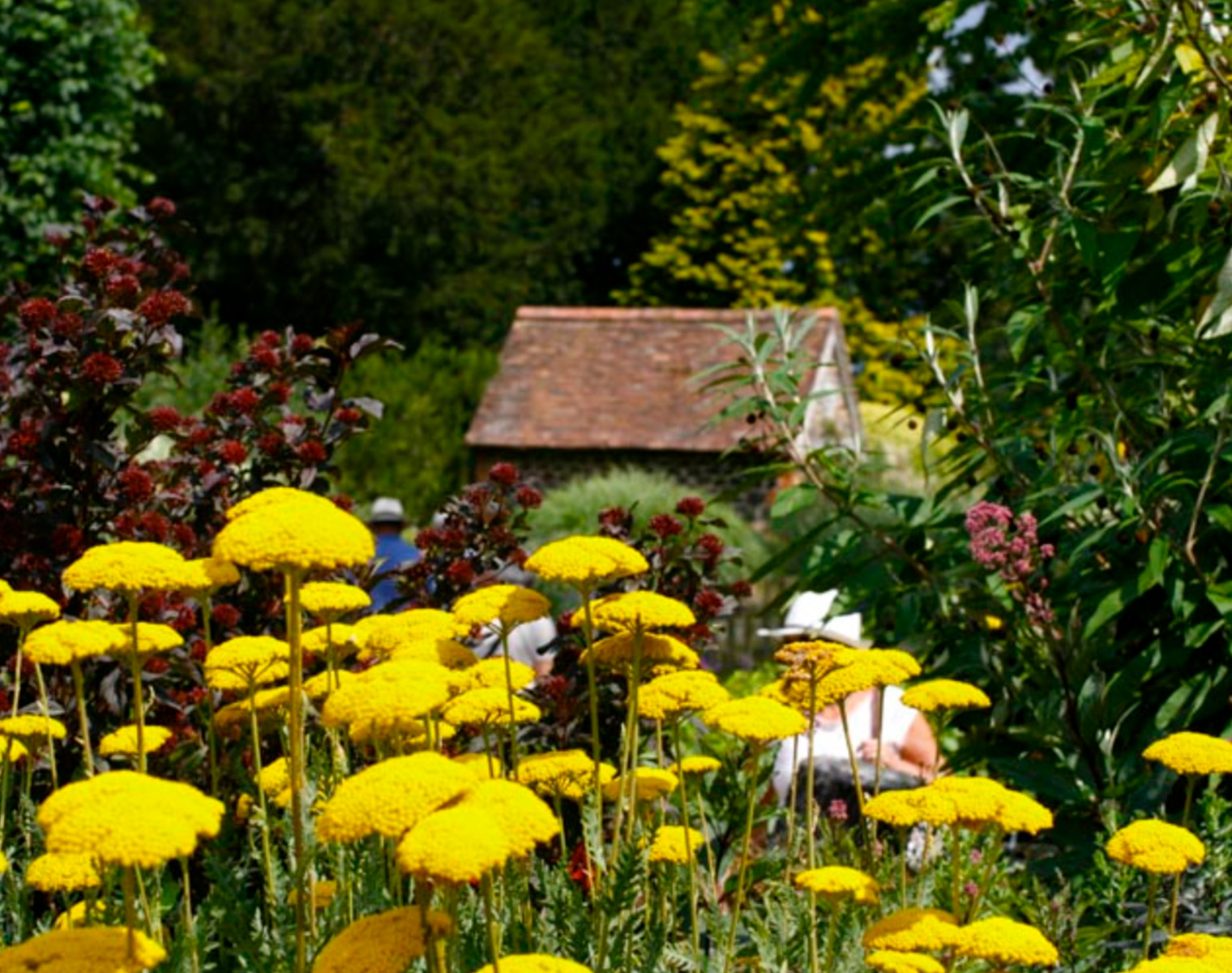
What makes it so special is the plantsmanship. The planting looks free, but it’s underpinned by deep knowledge: timing, succession, and an instinct for what will carry a border from one moment to the next. You’ll see how texture and scale are used to create drama – spires against clouds of daisy flowers, bold leaves against fine grasses, hot colours tempered by green.
It’s also a place that gives you permission. Permission to be braver, to try a new pairing, to accept that a garden is a process. Great Dixter doesn’t feel like a finished picture; it feels like a conversation.
Sussex’s garden artistry: structure, views and the joy of place
Sussex gardens have a particular elegance, often shaped by their relationship with the surrounding countryside. Here, design is frequently about framing: a view borrowed from beyond the boundary, a long line of trees that draws the eye, a change in level that creates drama without fuss.
In these gardens, you’ll see how structure can be both strong and subtle. A yew hedge might provide the backbone, but it’s the planting that gives the garden its voice – seasonal layers, repeated shapes, and those moments of surprise that make you stop and look again.
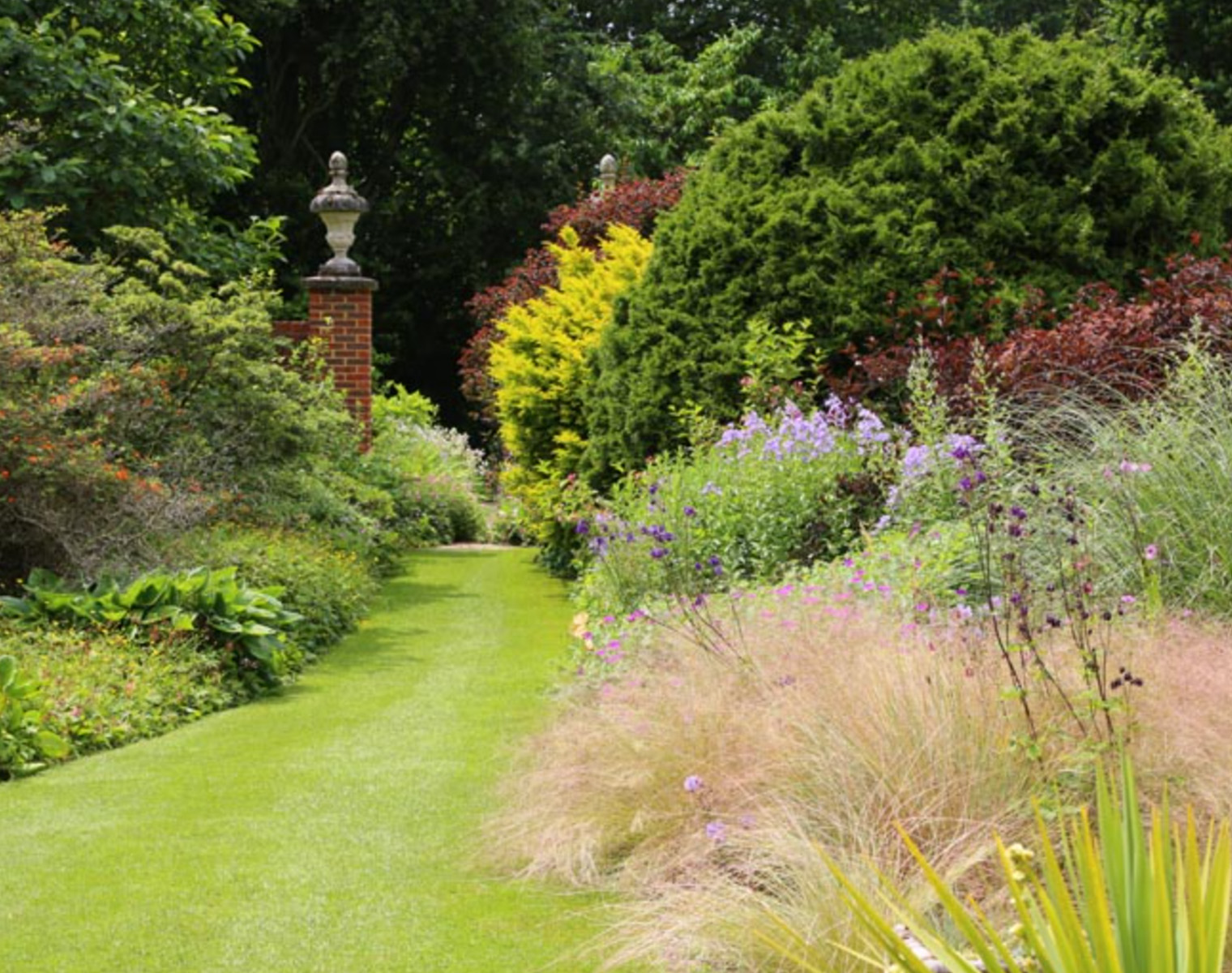
I’m always struck by how well Sussex gardens handle atmosphere. They can feel calm and composed, yet never sterile. There’s often a softness at the edges, in the meadow-like planting and woodland margins, with a sense that the garden belongs to the landscape rather than sitting on top of it.
Kent’s garden richness: abundance, craftsmanship and year-round interest
Kent brings a different kind of pleasure: a sense of abundance. You feel it in productive spaces – orchards, kitchen gardens, trained fruit – and in borders that seem to revel in the county’s generosity. There’s often a strong tradition of making gardens that are both beautiful and useful, with flowers and edibles happily sharing the same stage.
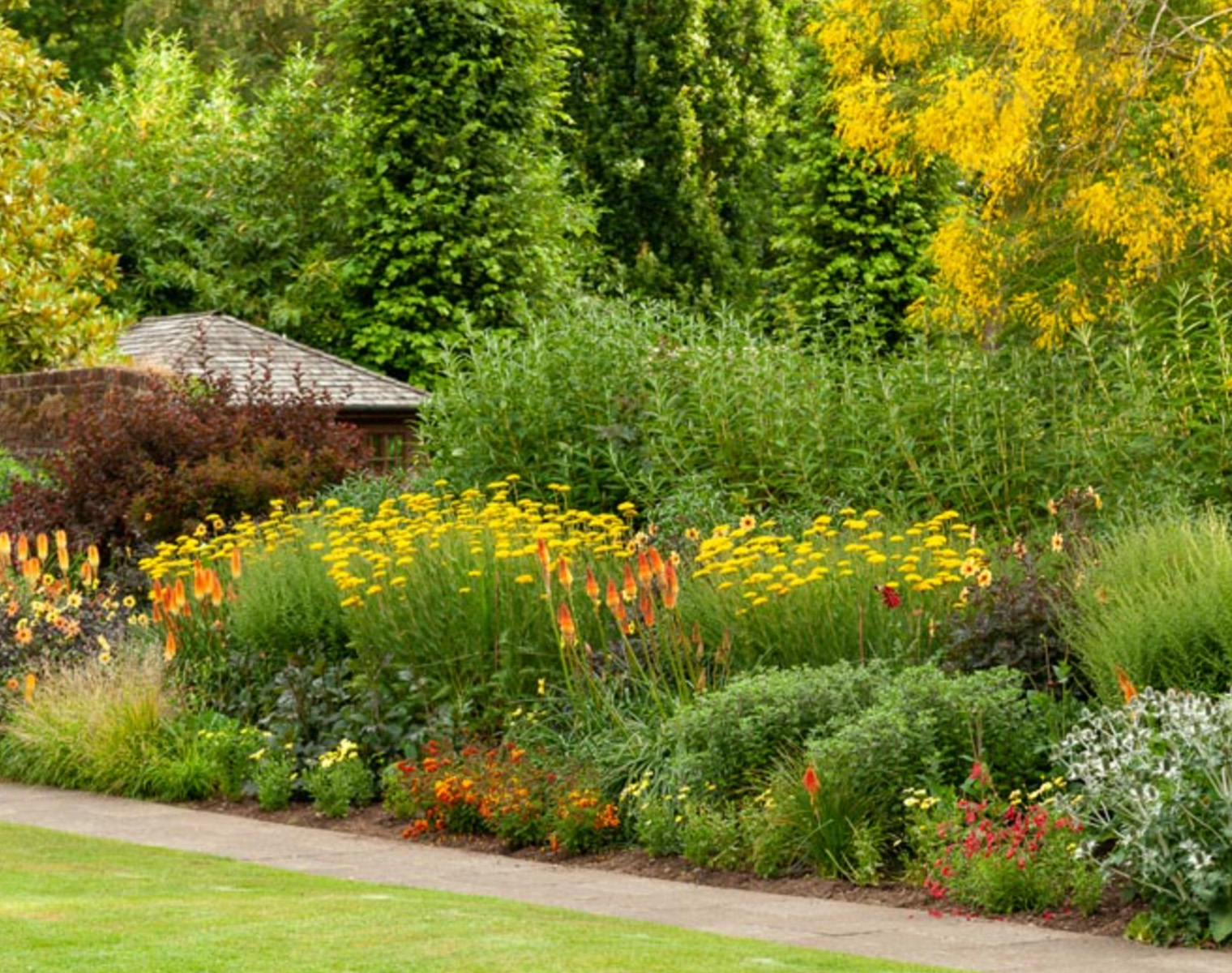
For gardeners, Kent is full of practical takeaways. You’ll see how to create shelter with hedging and walls, how to use repetition to make planting look intentional, and how to build year-round interest with seed heads, evergreens, and carefully chosen shrubs.
What I love most is that these gardens don’t rely on one season. They’re designed for continuity: spring freshness, summer fullness, autumn texture, winter structure. That’s the sort of gardening that lasts – and it’s exactly the kind of inspiration you want to bring home.
By the end of the Gardens of Kent and Sussex tour, my hope is that you’ll feel you’ve experienced a region that truly understands gardens. Not just as places to visit, but as living works of craft – shaped by climate, history, and the steady hand of people who care about plants. It’s a tour that leaves you with a sharper eye, a fuller notebook, and that familiar gardener’s itch to get home and try something new.