Romantic Planting and Atmosphere
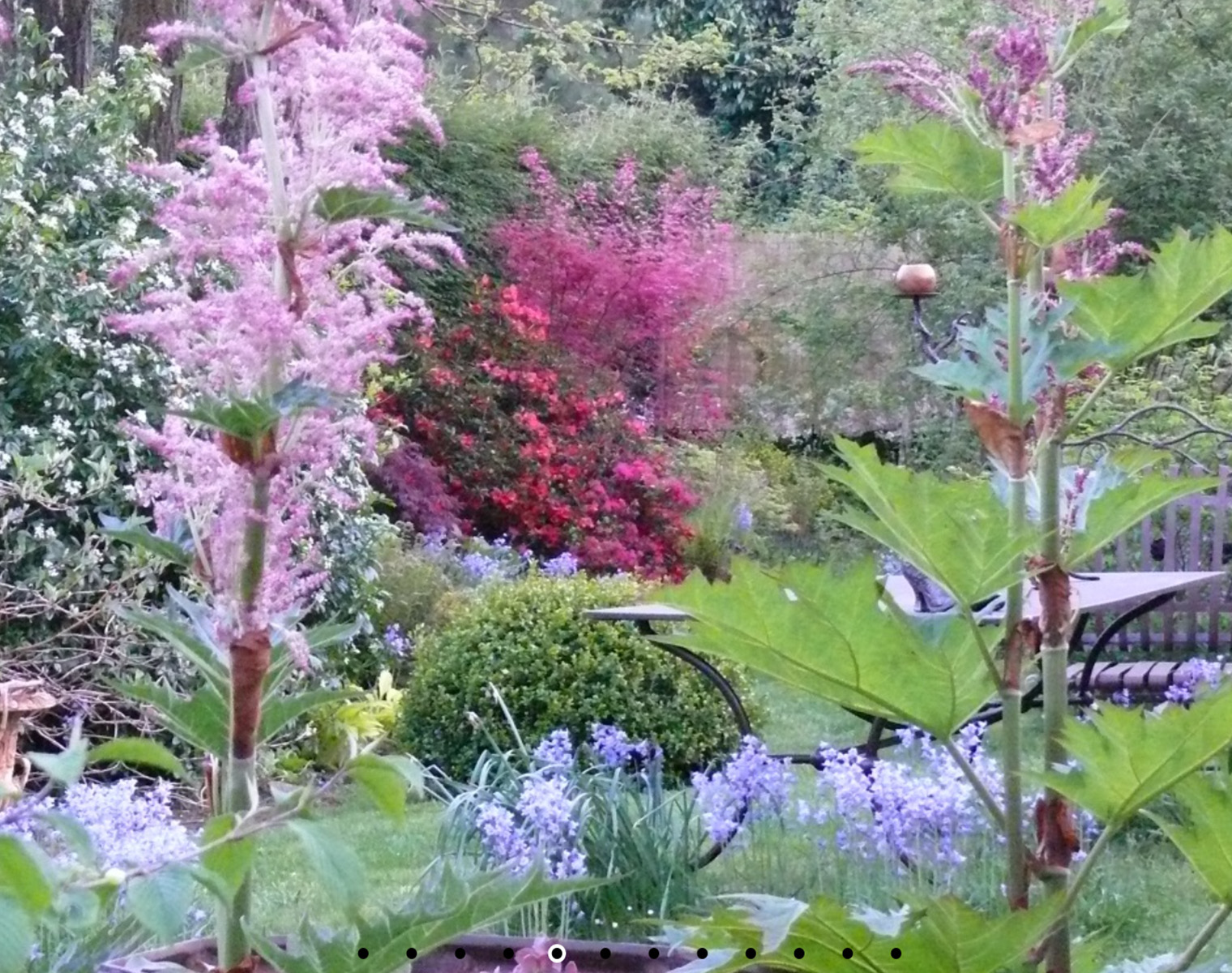
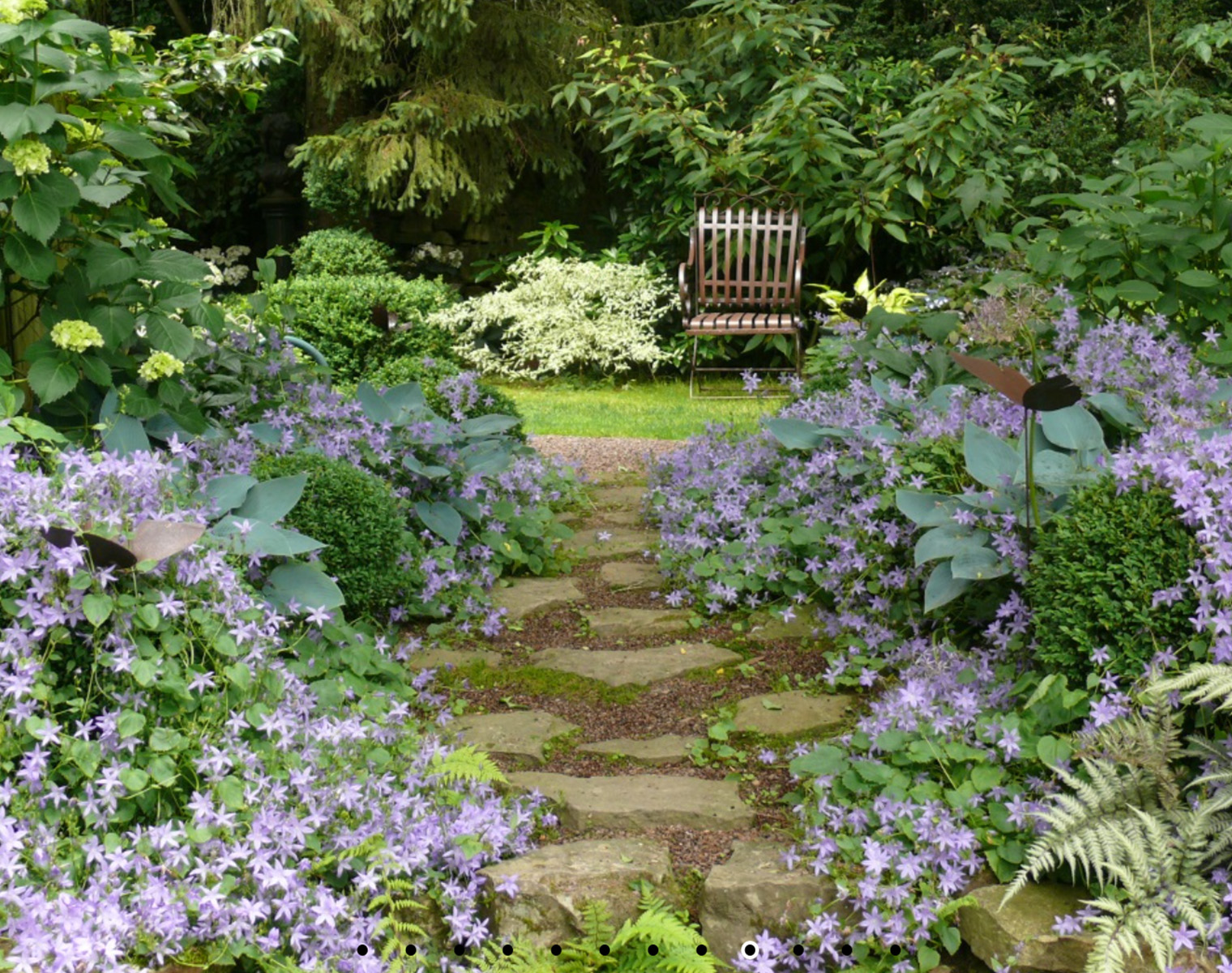
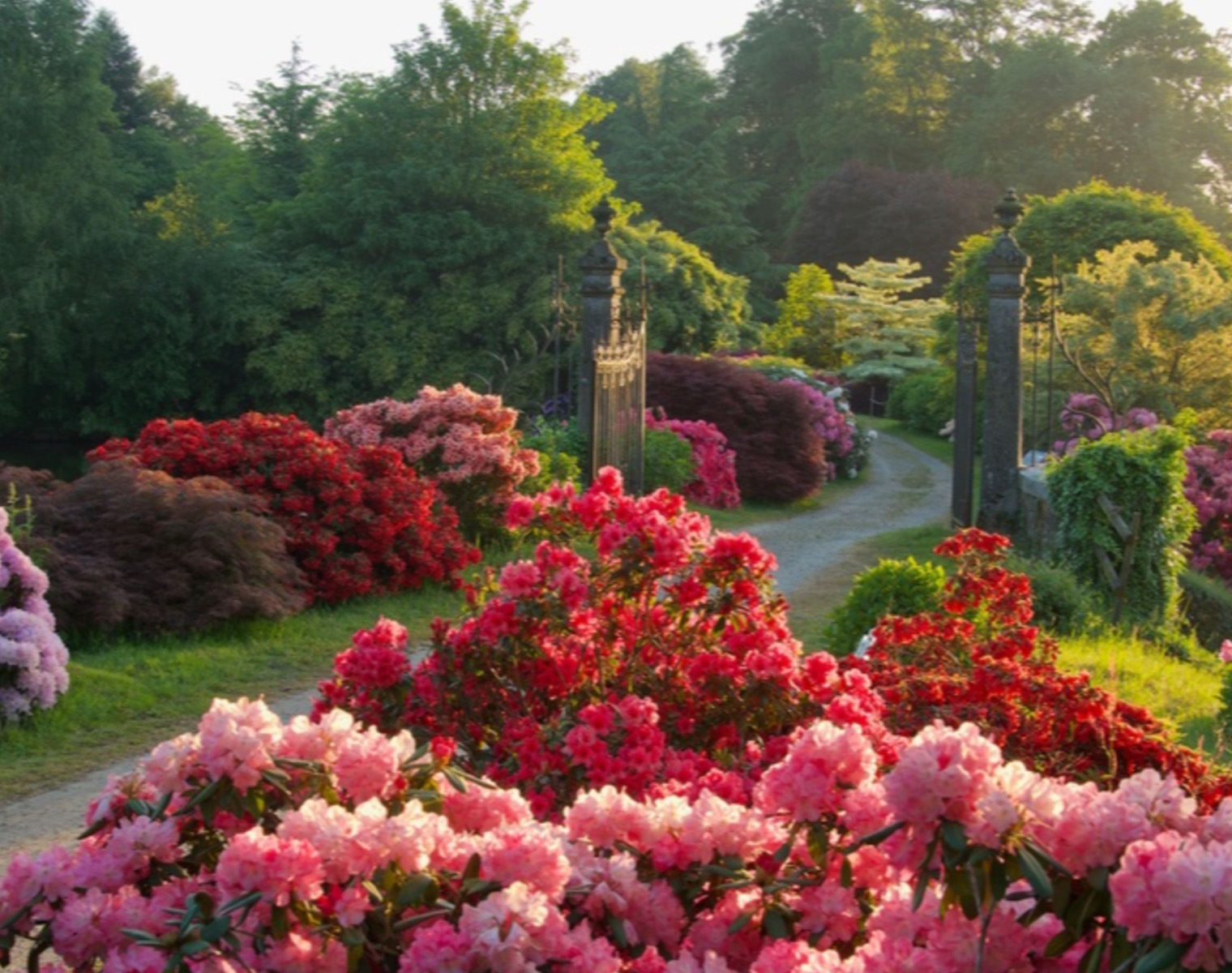
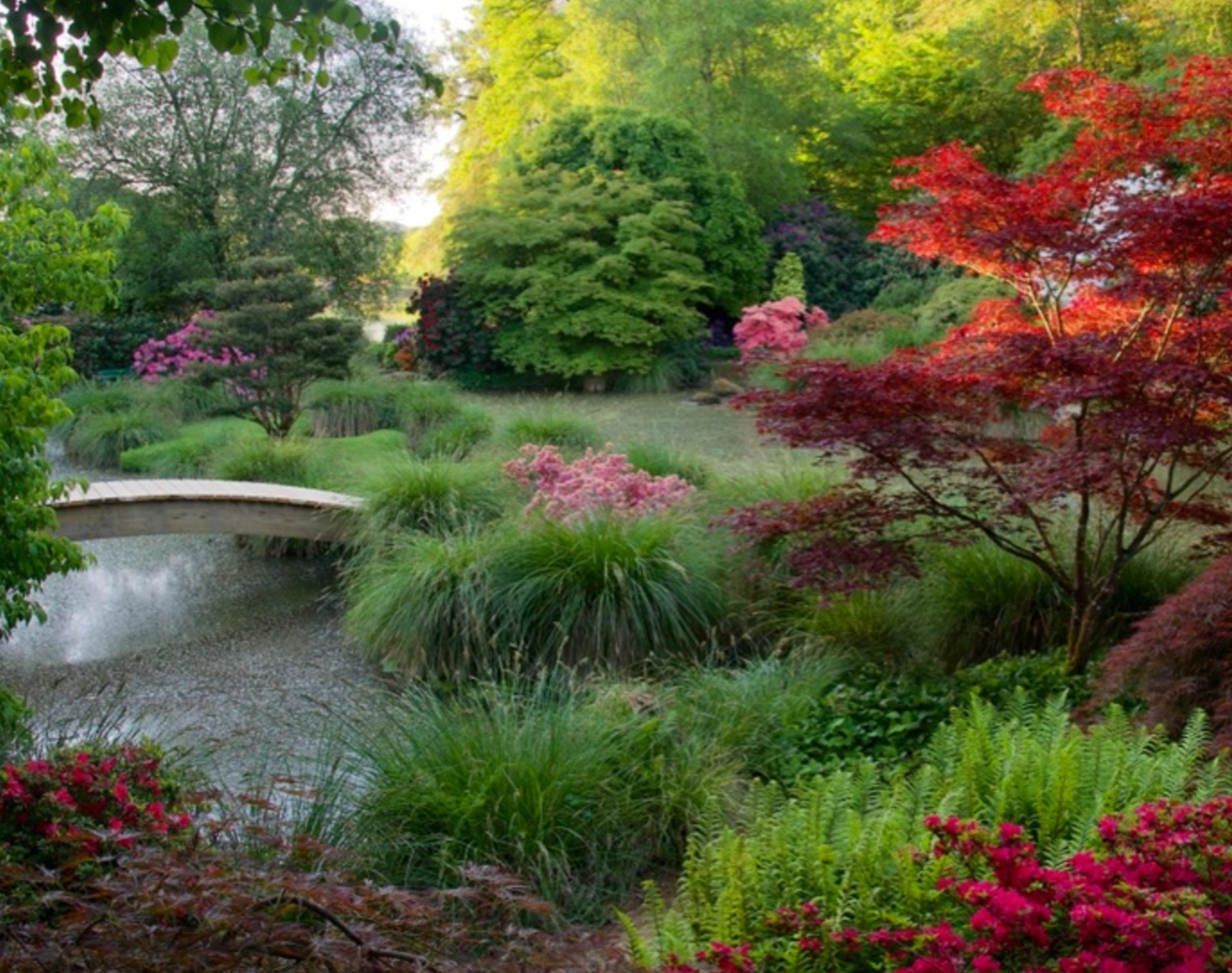
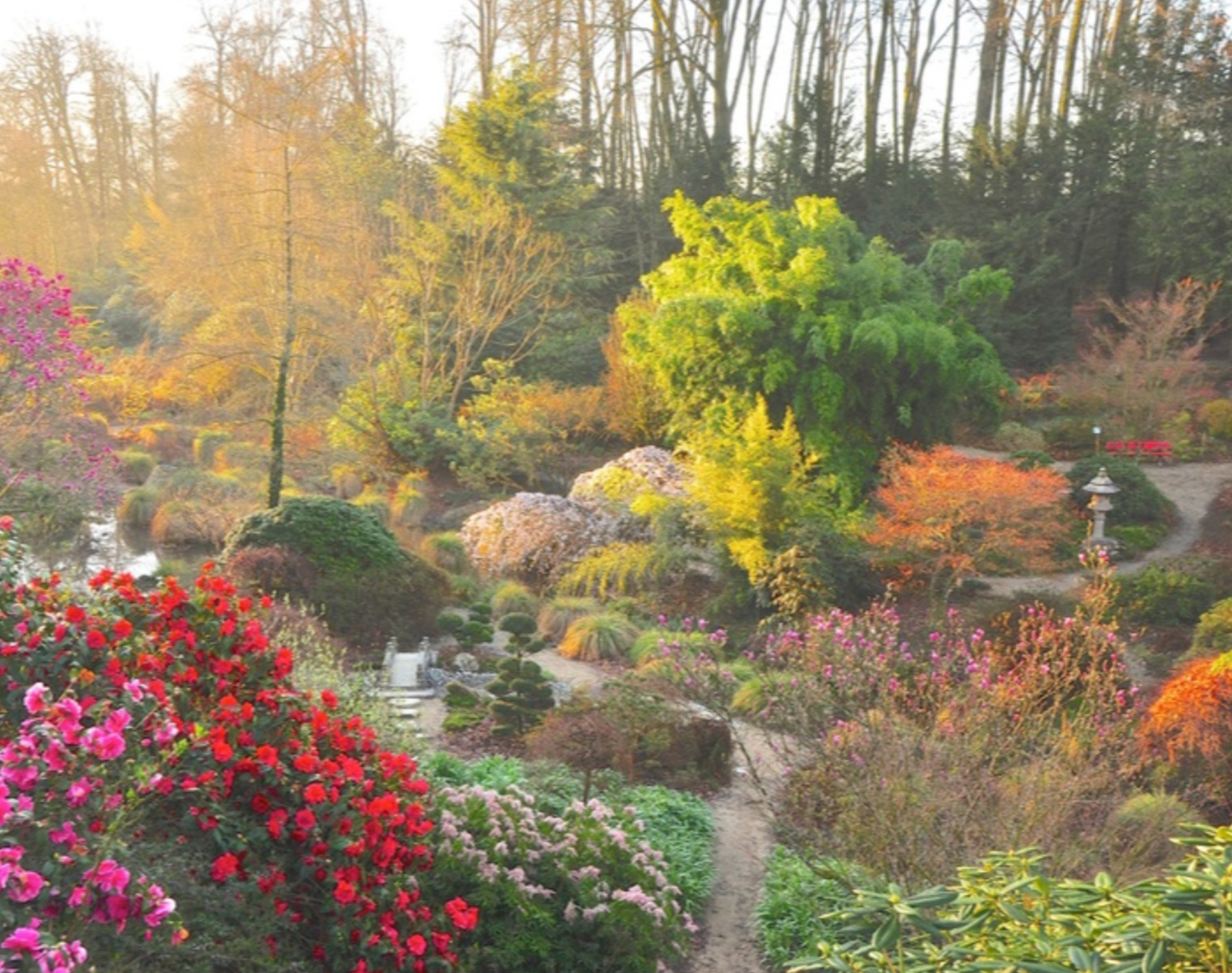
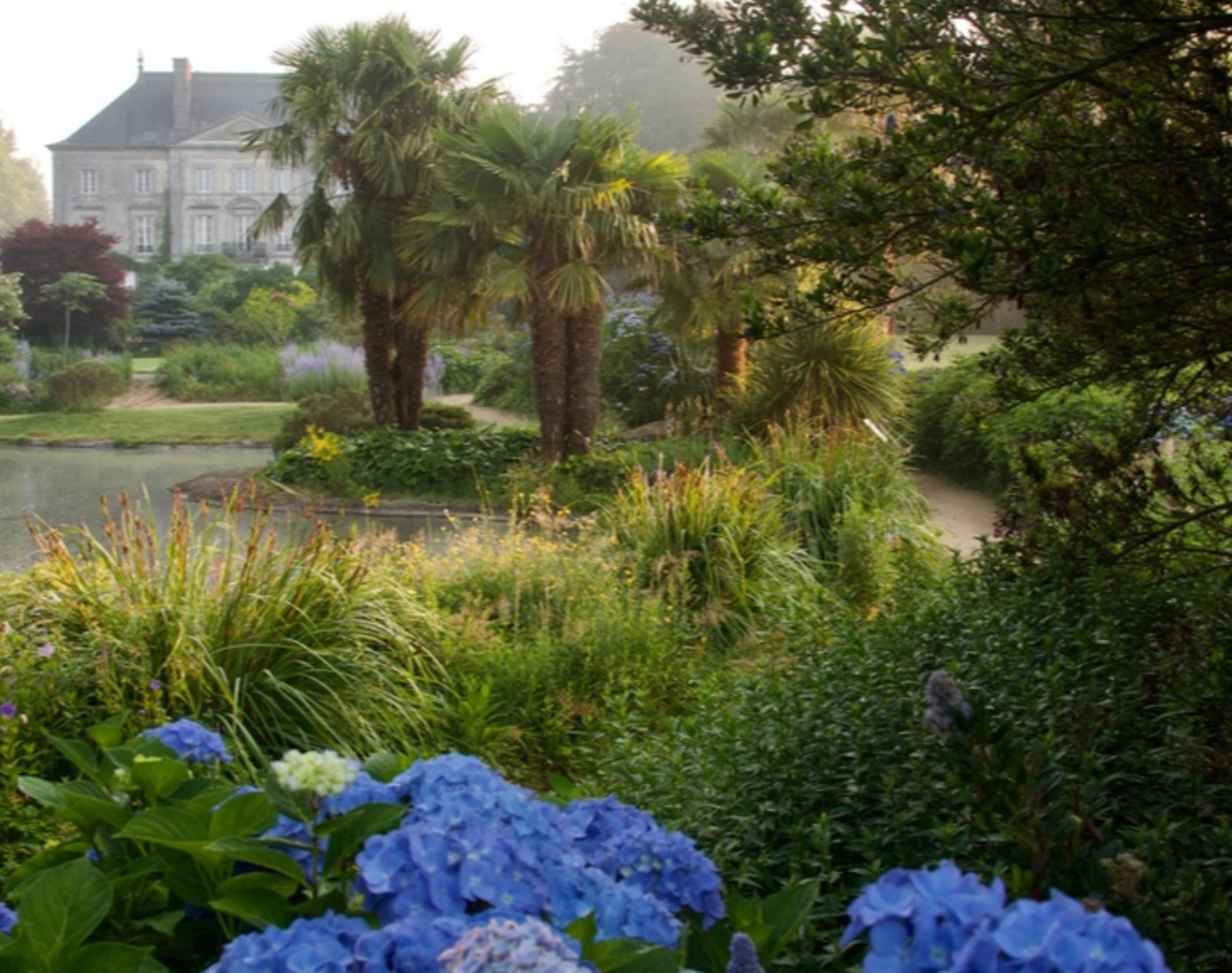
Our first garden visit is the Jardins d’Angélique, described as romantic and set around a 17th-century manor. These are the sorts of gardens that feel as though they’ve grown up around you – lush, enveloping, and full of atmosphere. There’s an immediate sense of being held by the planting, with paths that invite you to slow down and let the garden reveal itself in stages.
I love gardens like this because they remind us that “romance” isn’t a style so much as a feeling: layered planting, softened edges, and a sense of discovery as you move from one space to the next. You’ll notice how carefully the views are managed – little glimpses and framed moments – so that each turn brings a fresh composition. It’s also a lovely lesson in texture and tone: foliage that catches the light, flowers used as highlights rather than noise, and a gentle, slightly untamed richness that feels both generous and deeply considered.
Contemporary Design
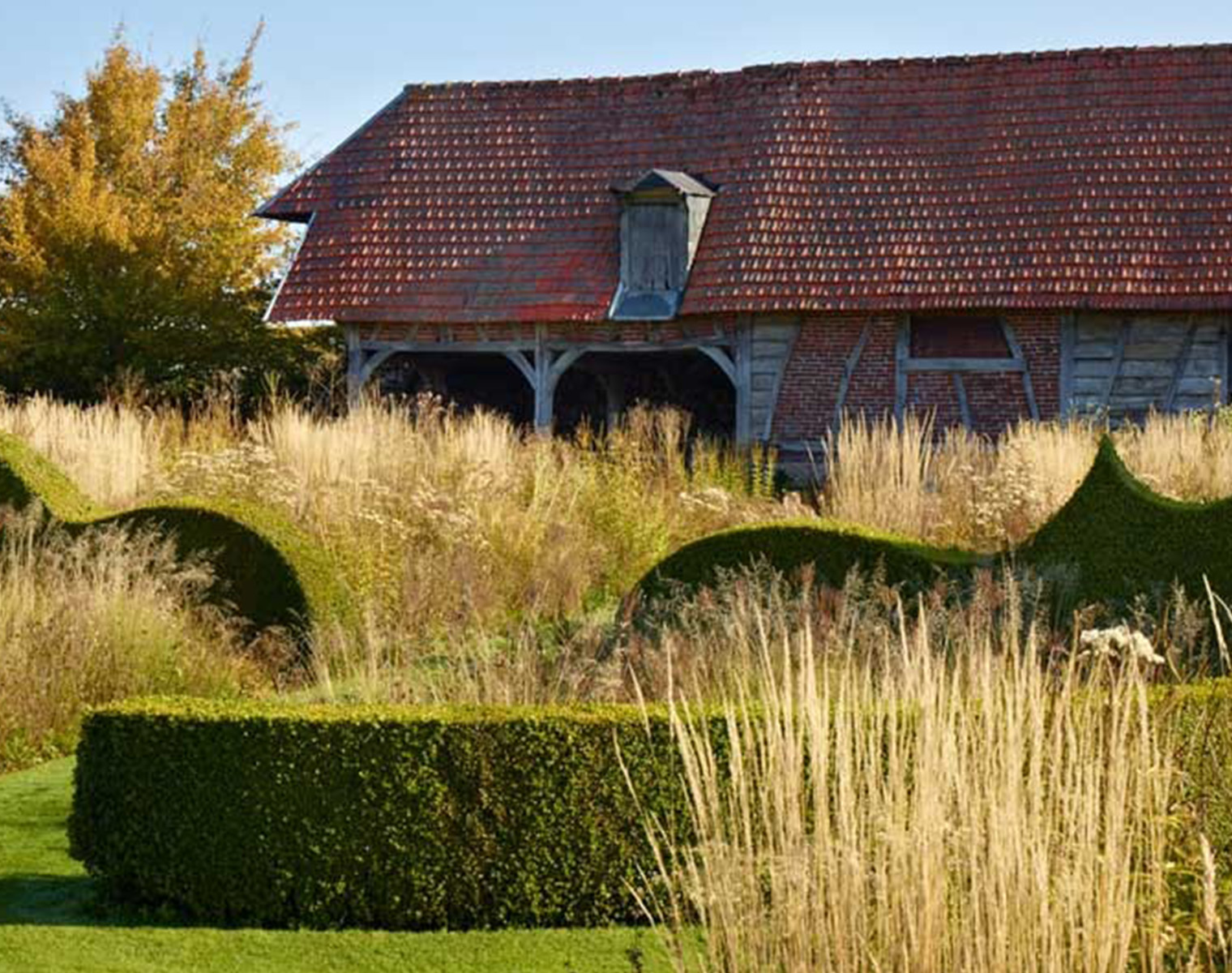
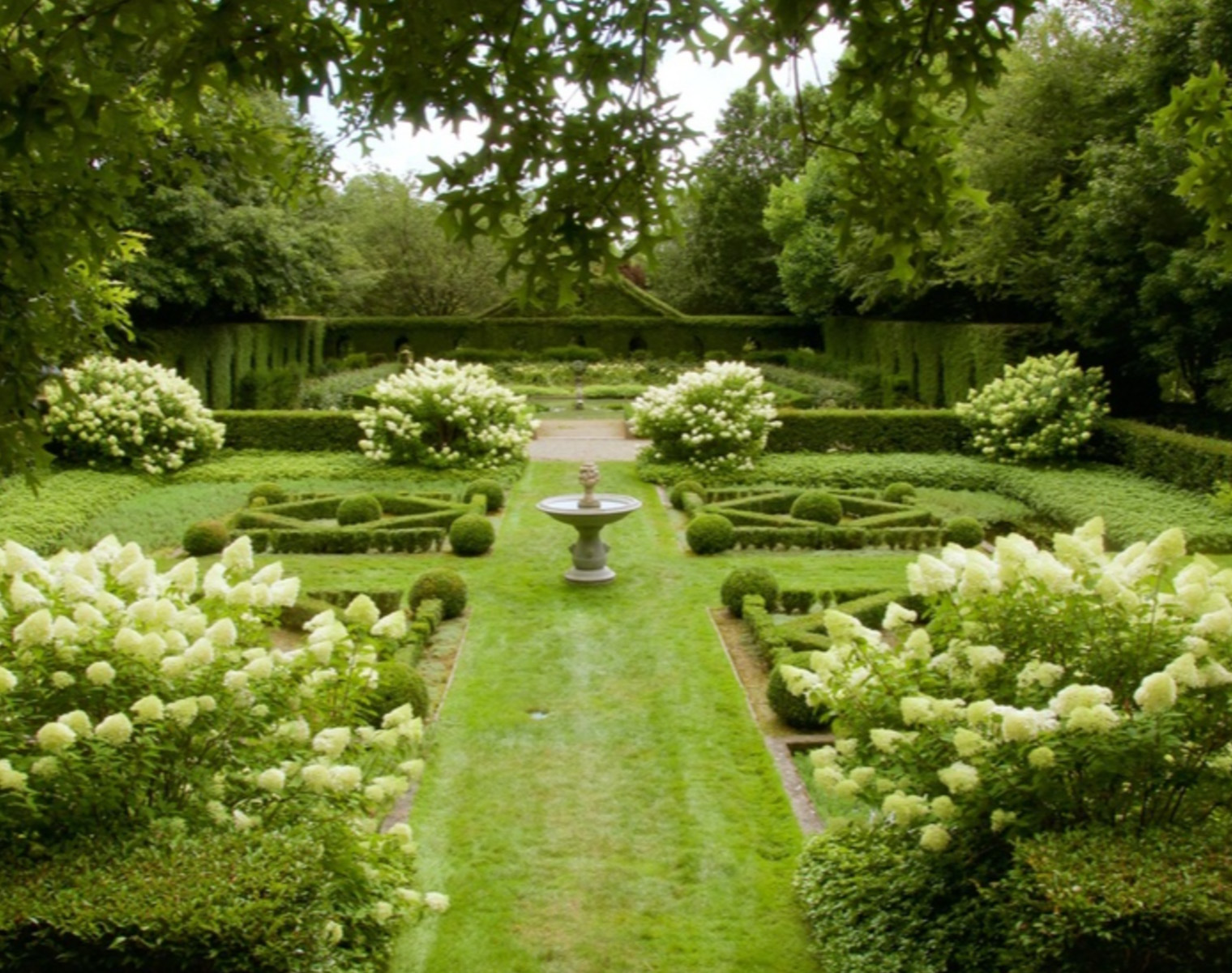
Le Jardin Plume is celebrated for its contemporary planting and structured design, and it’s a masterclass in how modern gardens can still feel generous and alive. Here, structure isn’t stiff – it’s a framework that makes the planting sing. The clipped hedges, clean lines and carefully placed punctuation points give the whole garden a sense of clarity, so your eye can properly appreciate the planting rather than feel overwhelmed by it. Expect a calm, confident rhythm: repeated forms, carefully judged combinations, and the sort of detail that rewards a second (and third) look.
What I particularly enjoy is how the planting feels light on its feet – grasses, perennials and airy seedheads moving in the breeze – yet it’s all anchored by that underlying order. It’s a reminder that “contemporary” doesn’t have to mean cold or minimal; it can be warm, welcoming and deeply horticultural. You’ll come away with practical ideas too: how to repeat shapes for cohesion, how to limit a palette without losing interest, and how to use structure to make seasonal change look intentional. It’s the kind of garden that sends you home with your notebook full and your head buzzing with ideas.
Design Meets Plantsmanship
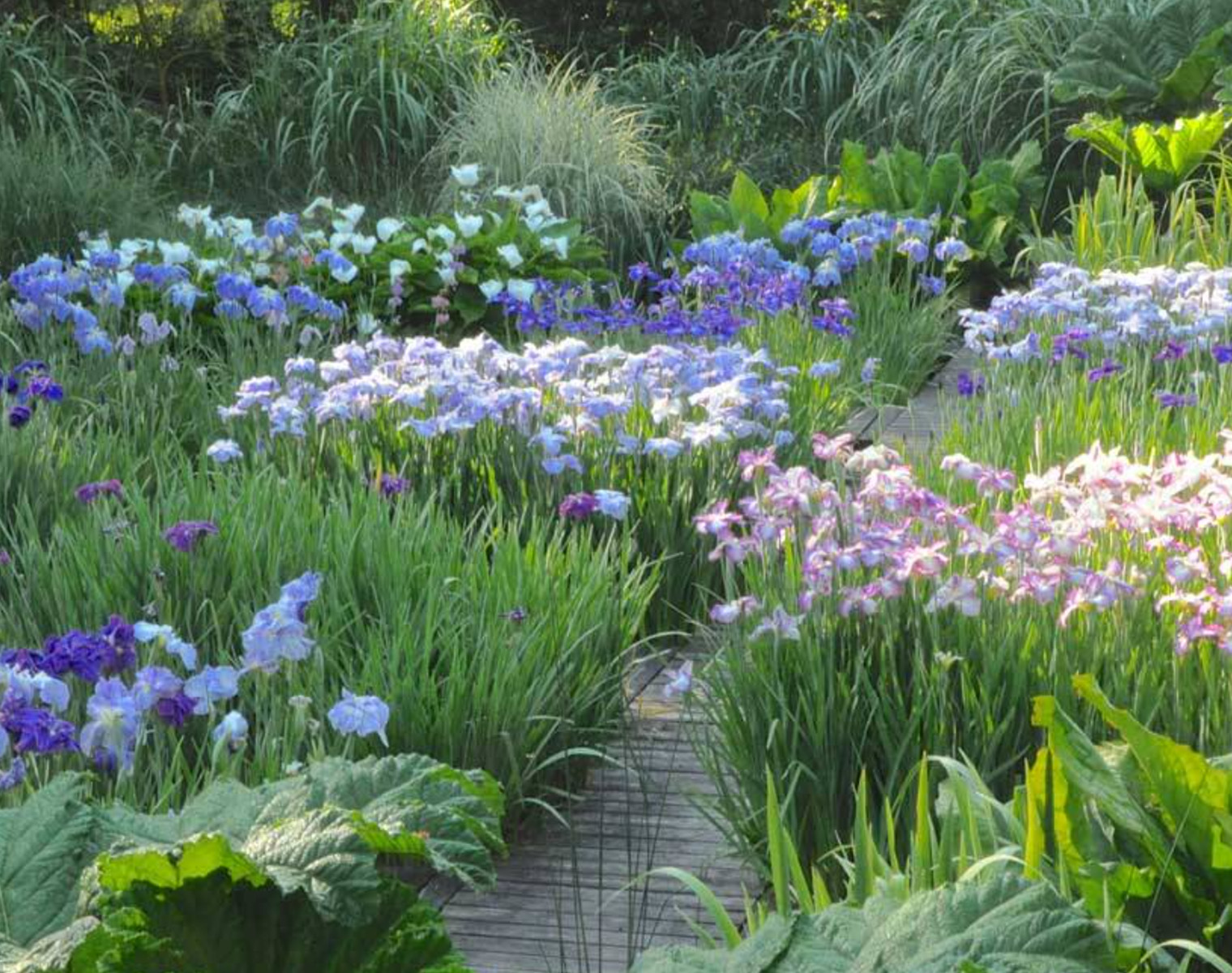
Bois des Moutiers, is a garden that blends Arts and Crafts sensibility with rare plantings. This is where you’ll see that wonderful marriage of design and horticulture – strong lines and a clear sense of intention, softened by plants chosen for texture, character, and seasonal interest. After time in the coastal village of Varengeville-sur-Mer, we continue to Jardin Le Vasterival for a private tour. Vasterival is renowned for its diverse, naturalistic planting, and it’s a brilliant reminder that “naturalistic” doesn’t mean accidental. The best examples are edited, composed, and deeply plant-led.
At both gardens, I’m always drawn to the way bold structure gives you somewhere to rest your eye, while the planting does the storytelling. Look out for the clever use of foliage – silvers, bronzes and deep greens – threading through the borders and tying everything together. It’s also a lesson in microclimate: shelter, moisture and aspect quietly shape every choice.
Claude Monet’s House and Gardens
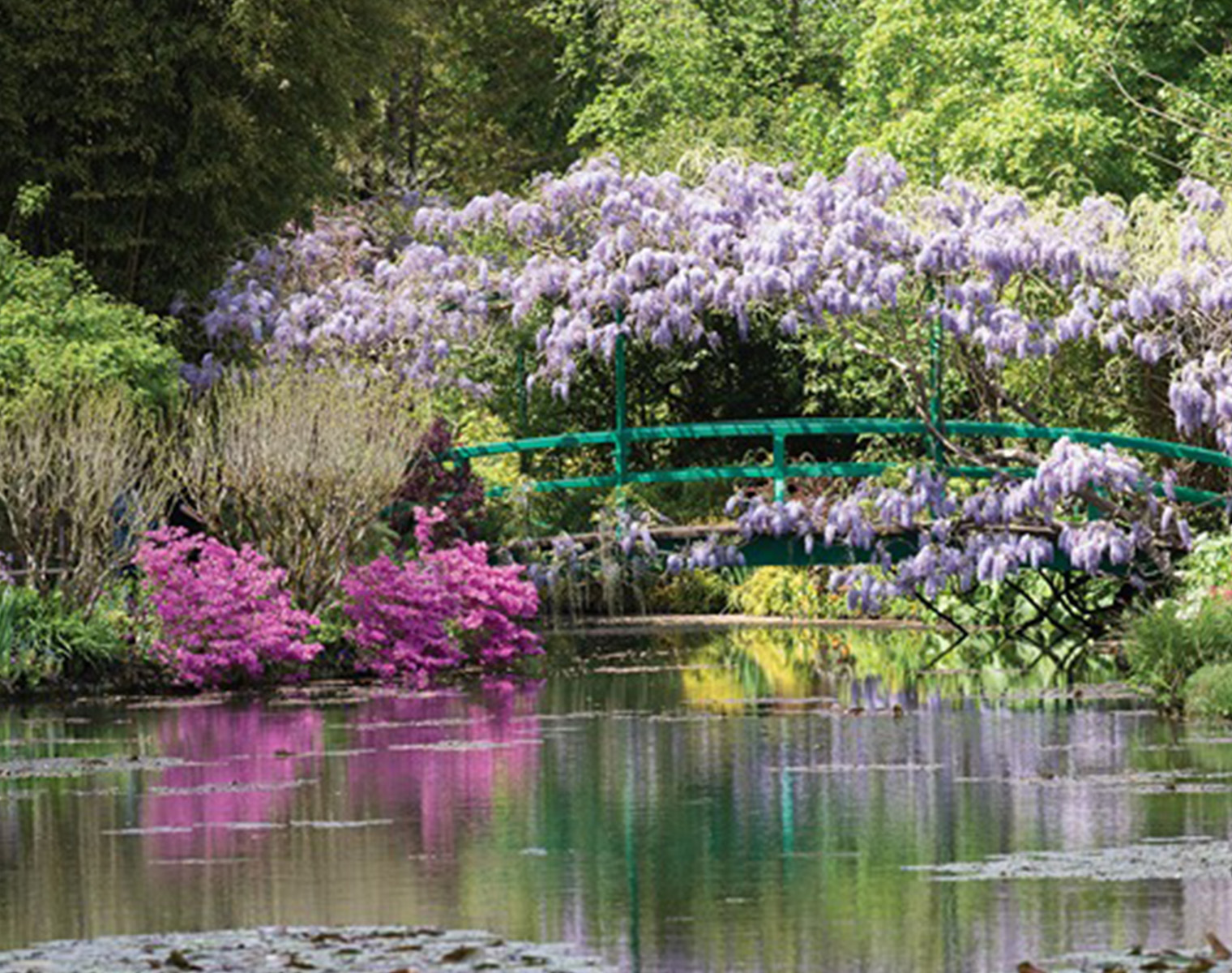
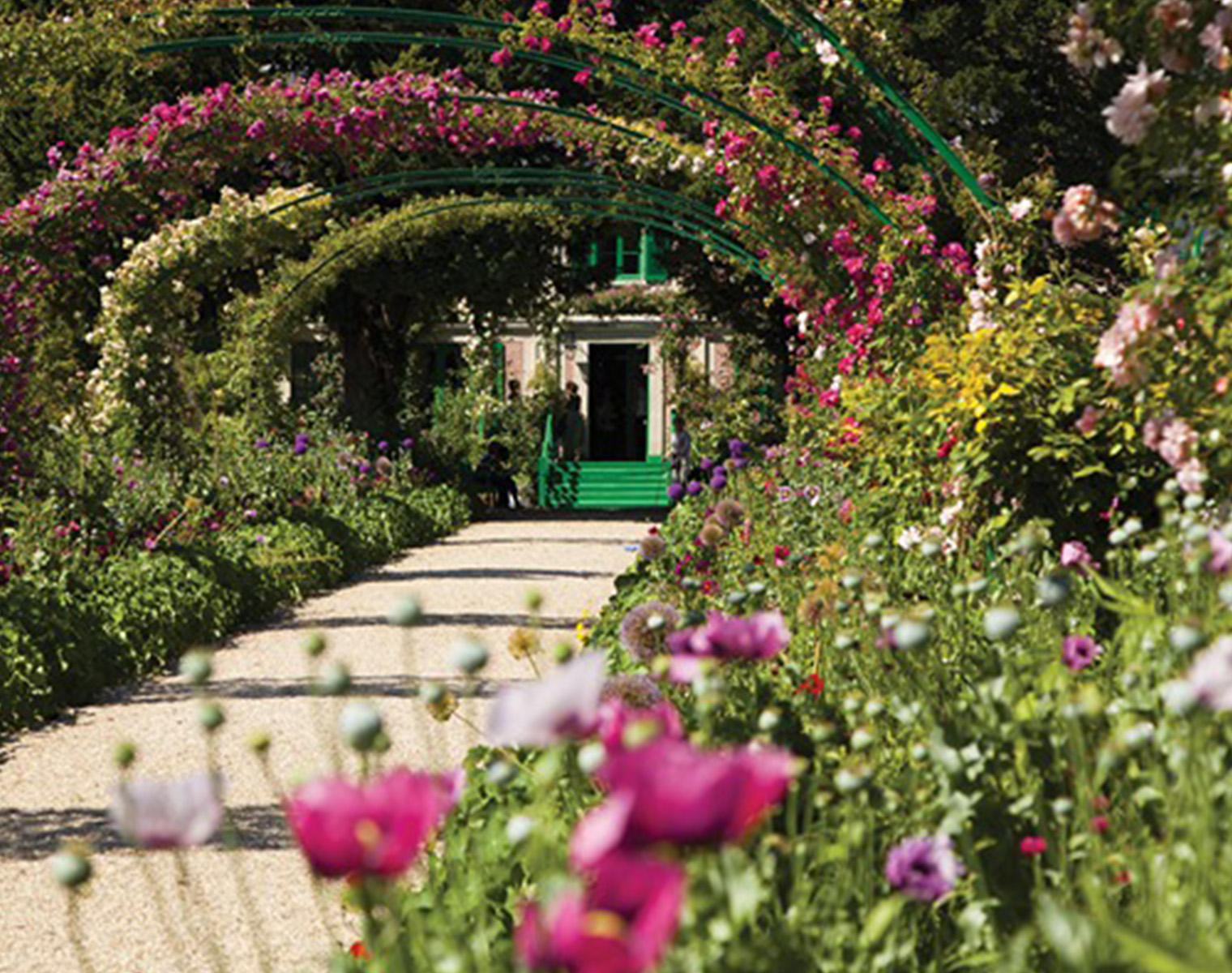
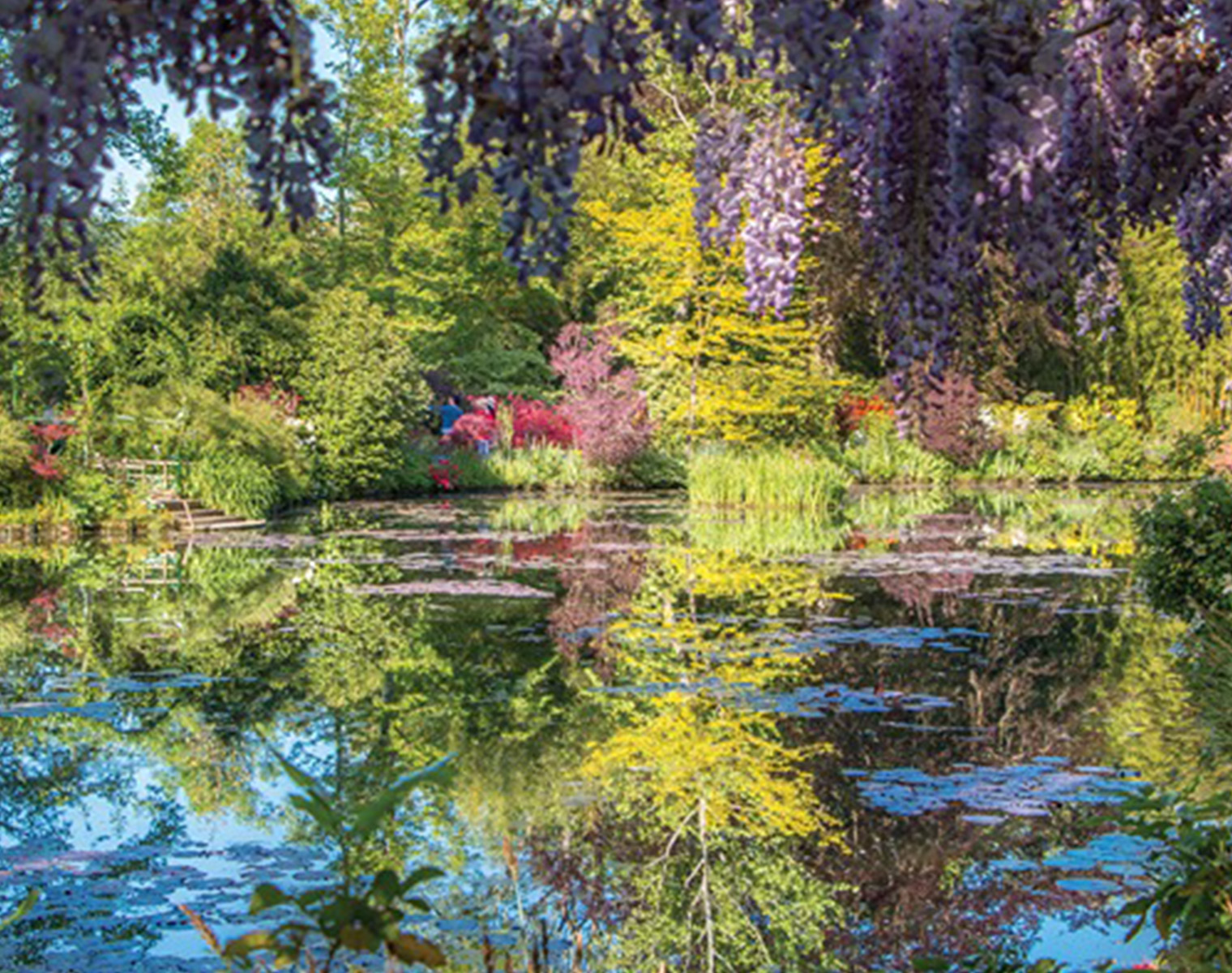
No tour of this region would be complete without Claude Monet’s house and gardens at Giverny. We visit both the colourful flower garden in front of the house and the Water Garden, with its Japanese bridge, weeping willows and water lilies – the living inspiration behind some of Monet’s most famous paintings. Even if you’ve seen photographs a hundred times, the real thing still stops you in your tracks: the way light moves across water, the sense of enclosure, and the sheer confidence of the planting.
What always strikes me most is the boldness of the colour in the borders – hot reds and oranges set against cooler blues and mauves – yet it never feels chaotic. There’s a rhythm to it, guided by repeated shapes and confident massing. You come away understanding how Monet painted: not individual flowers, but light, movement, and atmosphere.
Theatrical Detail, Intimate Planting
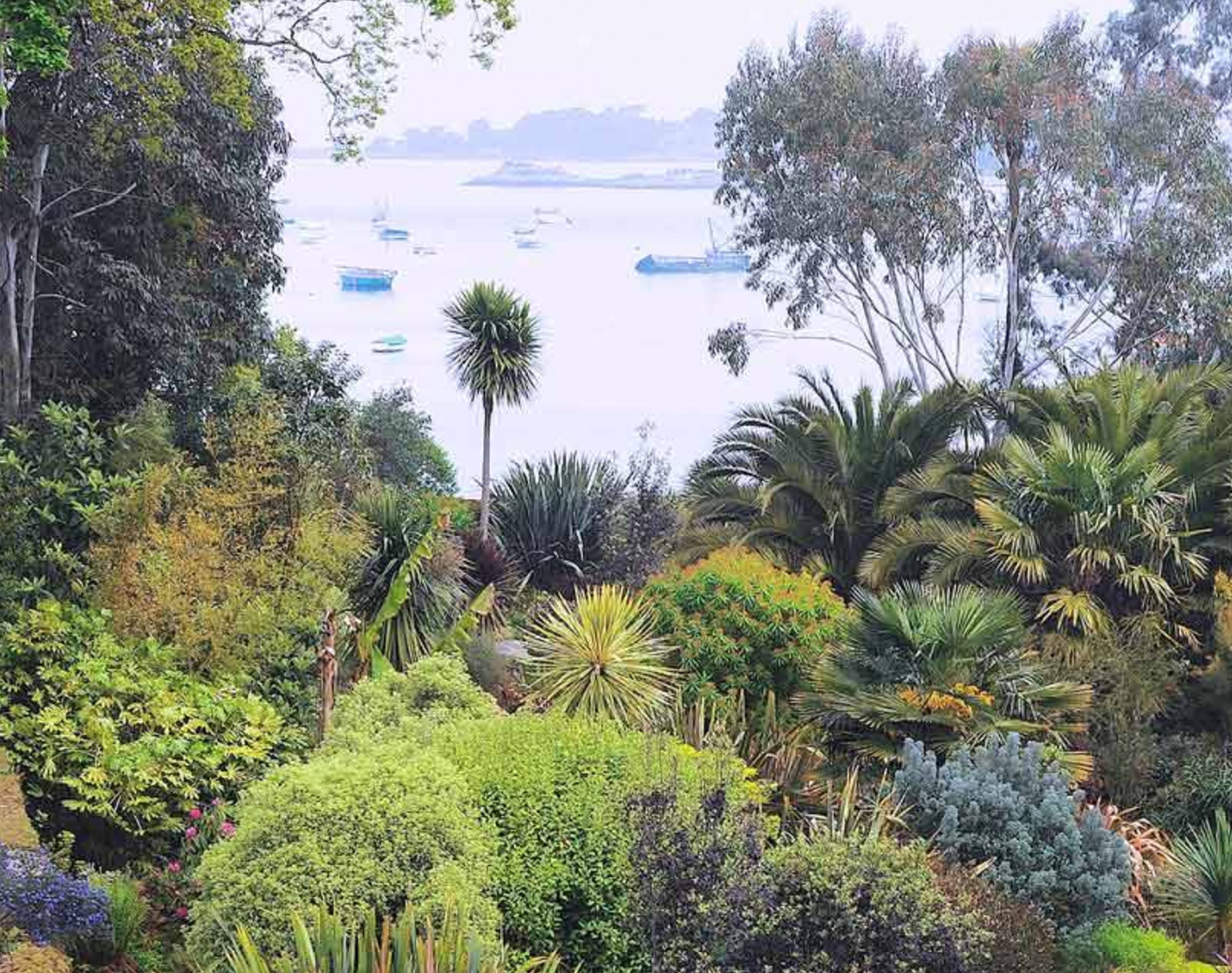
Crossing into Brittany, everything feels subtly different – the light a touch clearer, the air more Atlantic, and the gardens shaped by shelter, salt and long, mild growing seasons. It’s a region where structure matters, but so does softness: planting that moves, textures that catch the breeze, and compositions that feel rooted in place.
Le Jardin Retiré is designed to feel both theatrical and natural, and it does that through pacing and surprise. As you move through the garden, you’ll notice how carefully selected plant combinations are used to create moments of drama – contrasts of leaf shape, shifts in height, and bursts of colour that appear exactly where your eye wants them. Ornaments are placed throughout as visual punctuation: not clutter, but thoughtful focal points that draw you forward and give each area its own character. It’s a brilliant reminder that a garden can be playful and expressive without losing coherence.
24 Themed Gardens Around a Château
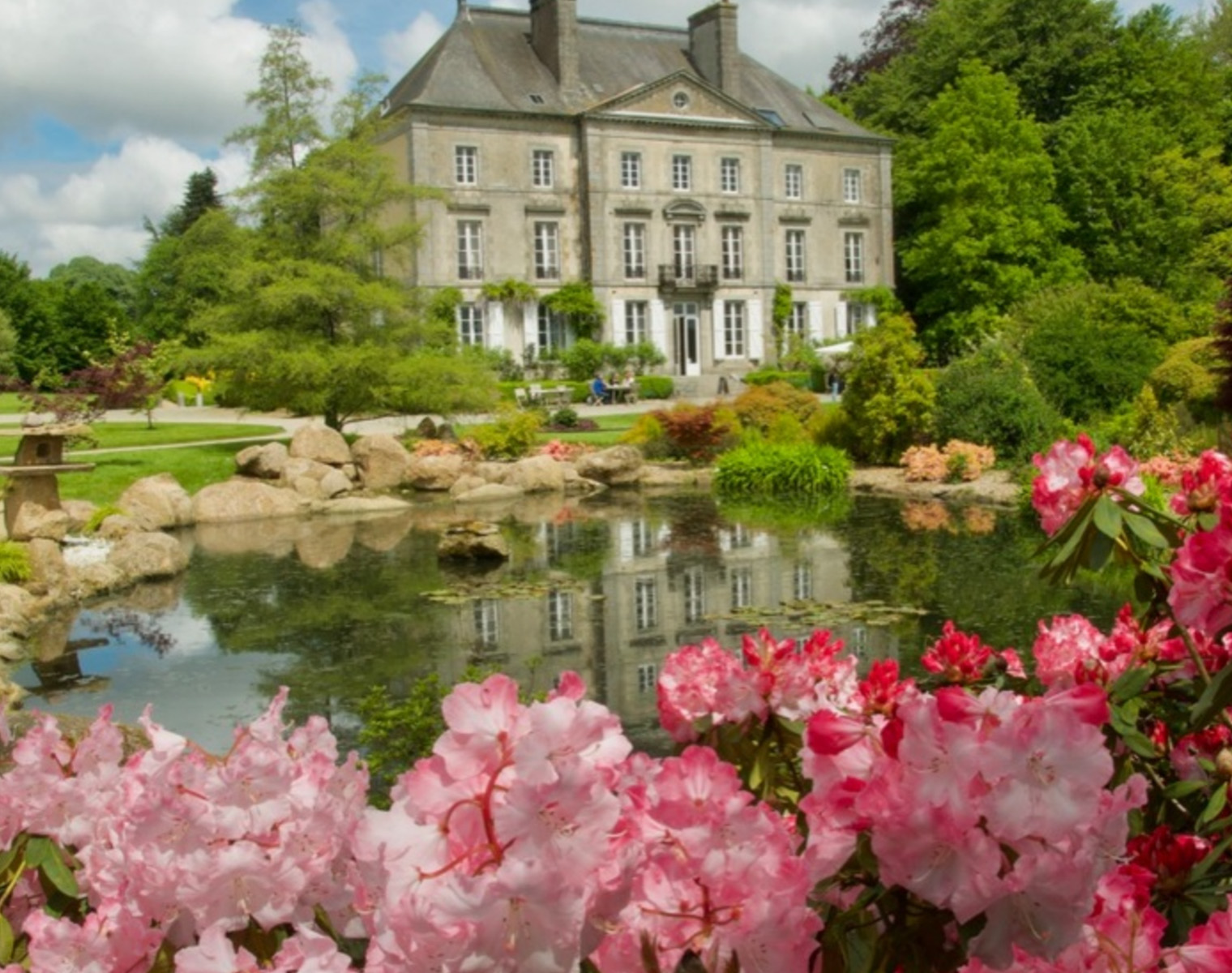
Parc Botanique de Haute Bretagne is an expansive botanical and floral park—an absolute feast for anyone who loves variety. With 24 themed gardens arranged around a 19th-century château, it’s a masterclass in how different atmospheres can sit side by side while still feeling connected. One moment you’re in a calm, structured space; the next you’re immersed in something more romantic or woodland-like, with seasonal blooms shifting the emphasis as the year progresses.
The global plant collections are particularly inspiring: you see how plants from different regions can be used to create distinct moods, and how careful placement and shelter allow more tender or unusual choices to thrive.
Coastal Plantsmanship
At Jardin du Pellinec, the guided tour really brings the garden to life, because you understand the decisions behind what you’re seeing. This is coastal gardening done with intelligence and finesse – plants chosen not just for beauty, but for resilience, texture and long-season interest. You’ll pick up ideas about using shelter, layering, and foliage as a unifying thread, so the garden looks good even when flowers are between peaks. It’s the sort of place that quietly changes how you think about planting in challenging conditions.
We finish with a free-flow visit to the enchanting Jardins de Kerdalo, and it’s the perfect closing note – romantic, immersive, and full of that sense of discovery that great gardens do so well. Wandering at your own pace lets you notice the subtleties: how paths reveal views, how planting is used to soften structure, and how the garden feels both curated and wonderfully alive. It’s an ending that leaves you full of inspiration – and just a little reluctant to leave Brittany behind.