
Gardens of the Cotswolds June/July2026



David’s tour highlights…
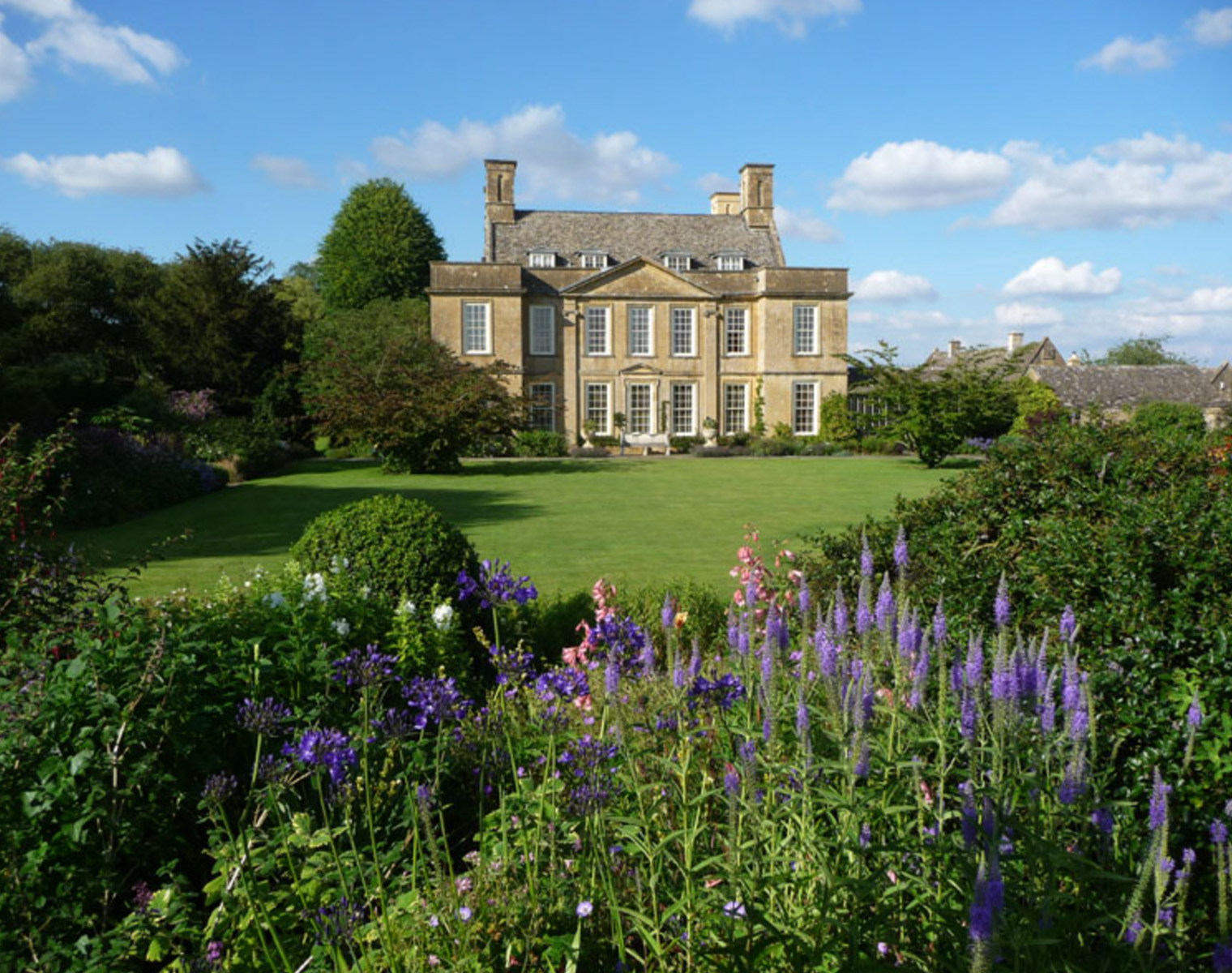
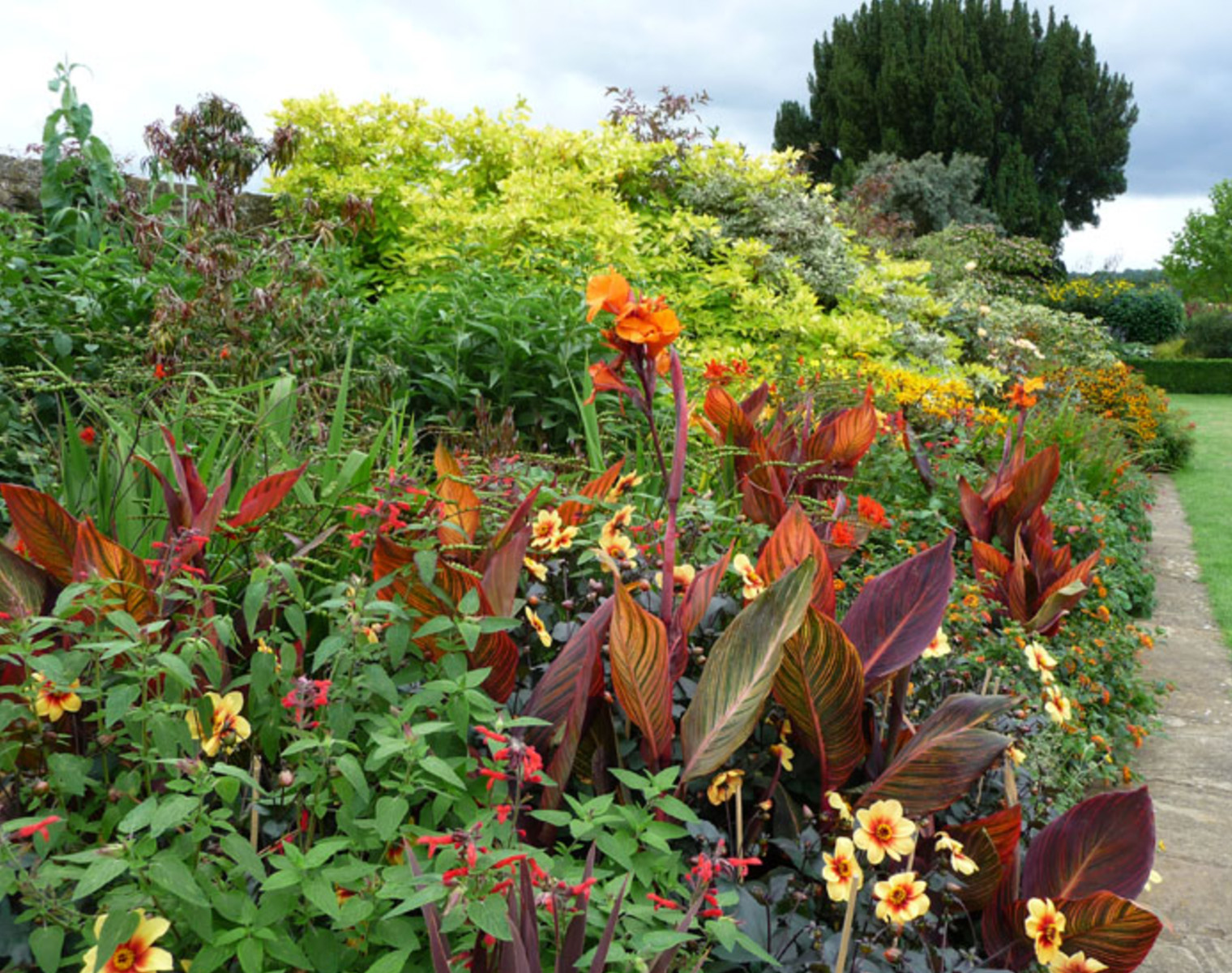
“Bourton House is unmissable for its plantsmanship, generous herbaceous borders and calm structure. Its modern, elegant planting feels welcoming, the garden is beautifully maintained, and there are masses of practical, ‘borrowable’ ideas to use back at home…”
For garden enthusiasts, the Gardens of the Cotswolds tour which I’m leading for Ace Cultural Tours offer a truly unparalleled experience. Exquisite planting schemes are bathed in the glow of golden stone, and the rolling hills – the ‘wolds’ – form an idyllic backdrop to some of the world’s most famous garden designs. As tour leader, I love guiding people through this landscape because it rewards both the casual admirer and the keen plantsman: you can enjoy the sheer beauty, but you can also read the gardens like a set of thoughtful, practical lessons.
Across the tour, we’ll explore a handpicked selection of remarkable spaces, supported the invaluable perspective of Head Gardeners. Those conversations are often where the magic really lands: why a border is planted the way it is, what thrives in a particular microclimate, and how a garden’s history still shapes its choices today. The Cotswolds may look effortless, but the best gardens here are the result of clear design thinking, disciplined maintenance, and a deep understanding of plants.
Golden stone, structure and the ‘wolds’
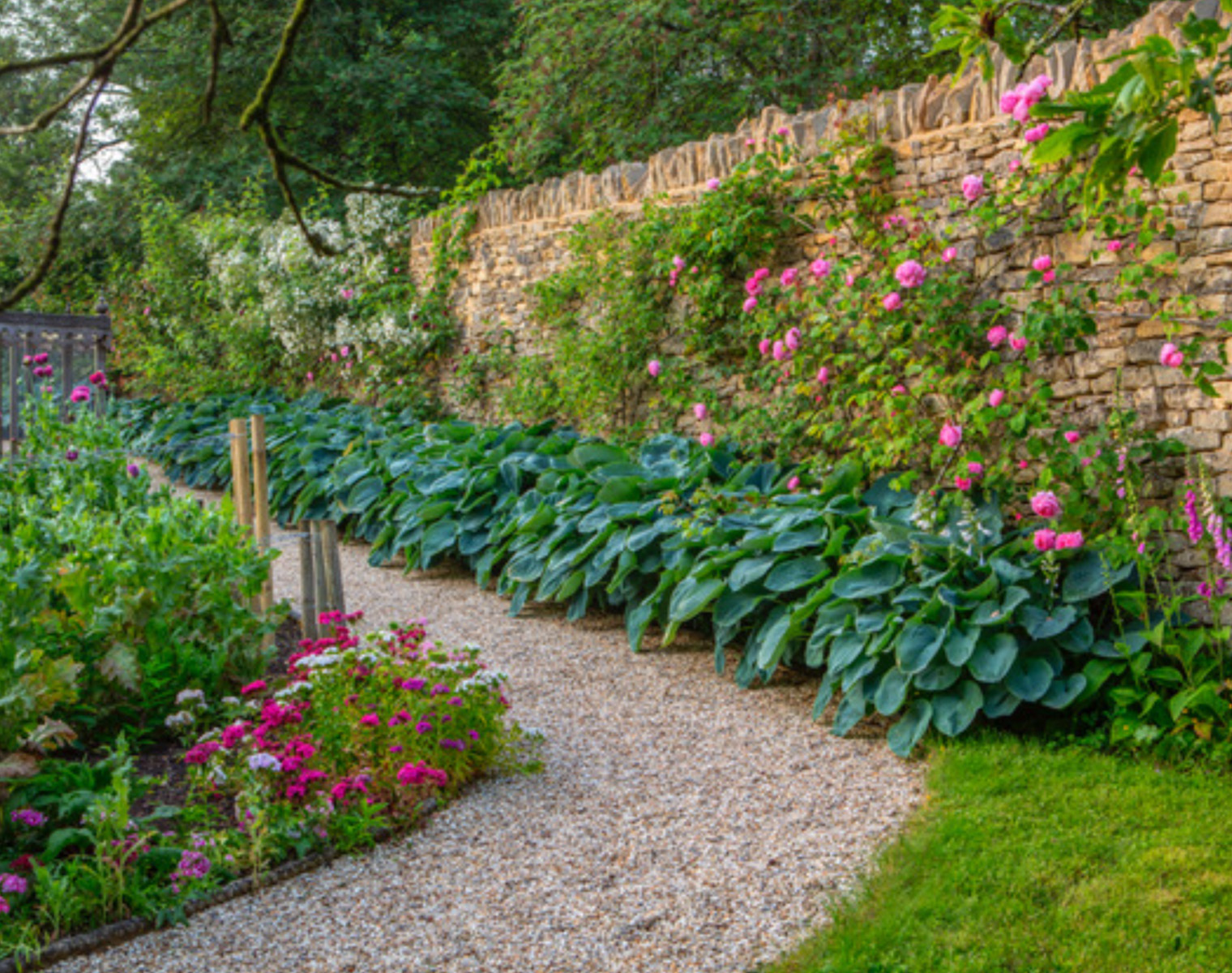
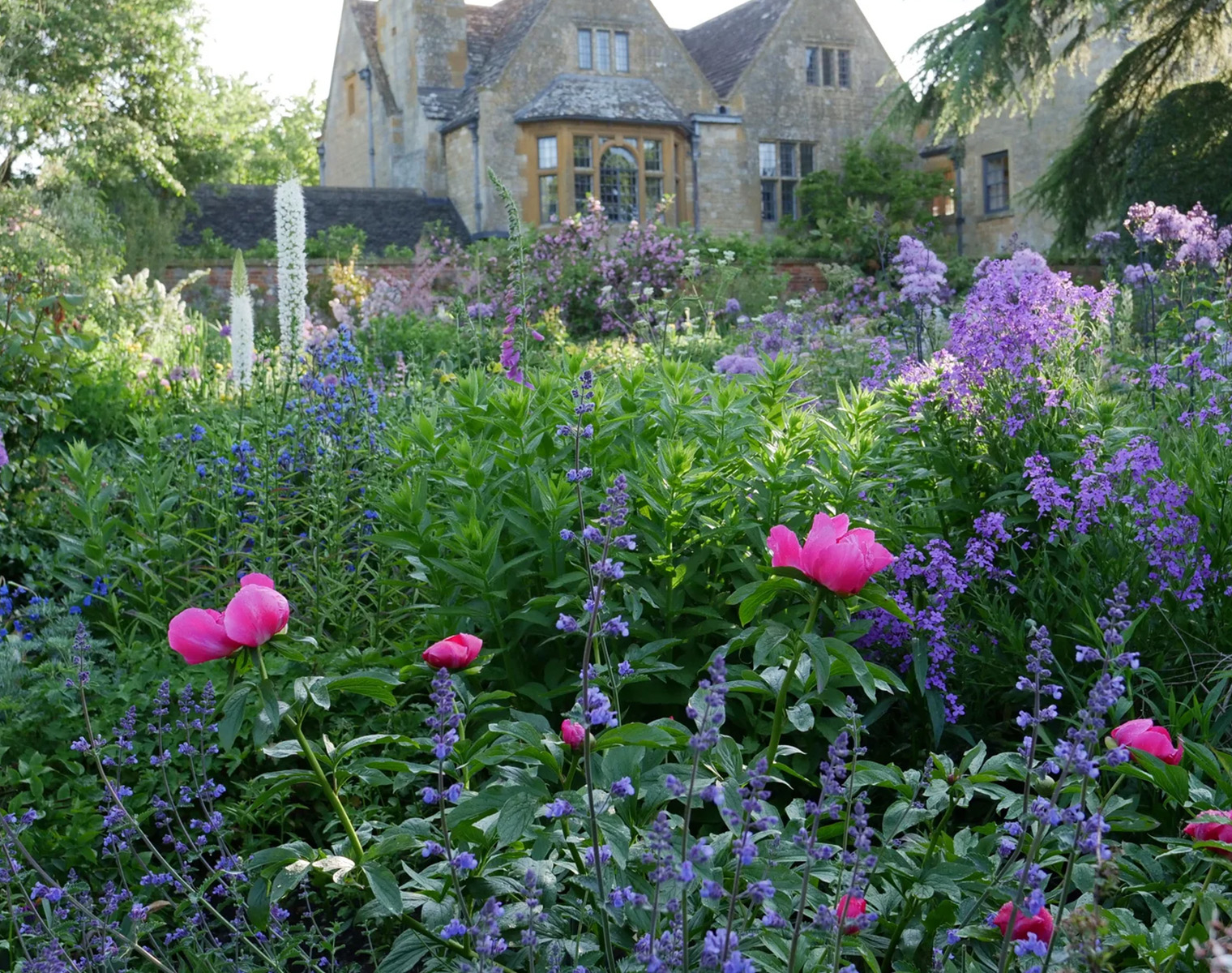
Before we step through our first gate, it’s worth noticing what makes Cotswolds gardens feel so distinctive. The honey-coloured stone isn’t just picturesque; it sets a warm tone that influences planting choices. Soft blues, silvers, whites and dusky pinks sing against it, while stronger colours can be used as accents rather than a constant shout.
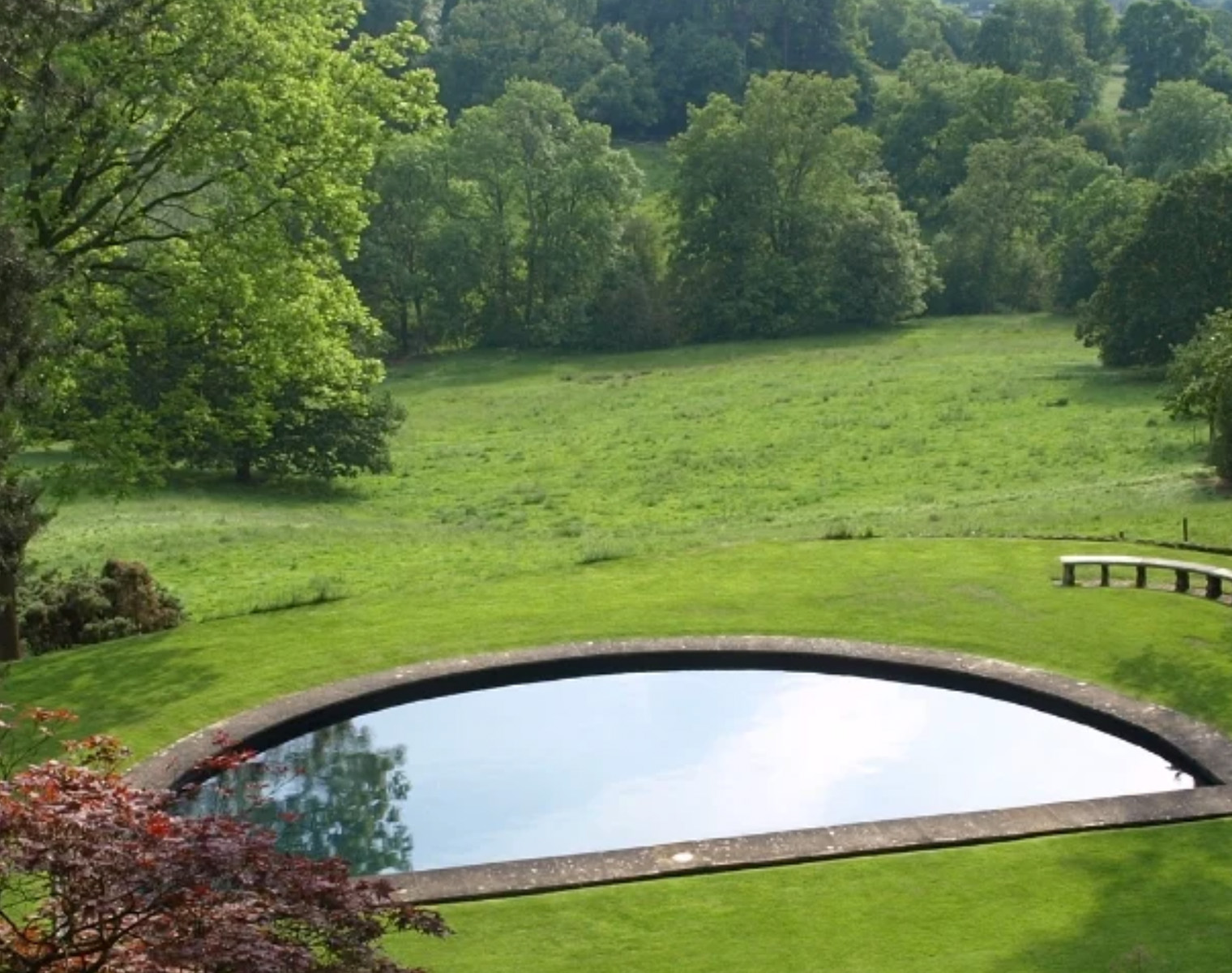
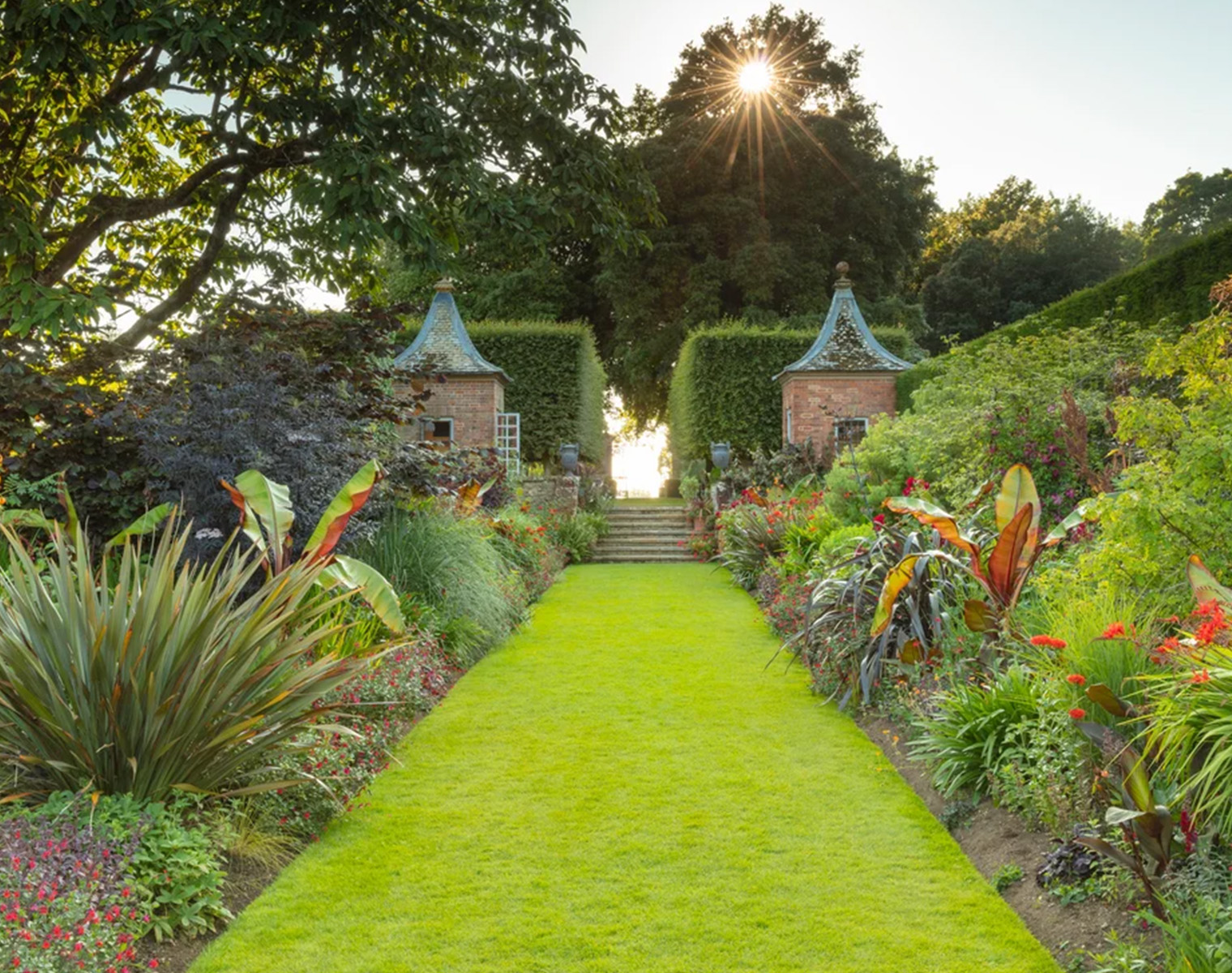
Then there’s the land itself. The ‘wolds’ create a sense of openness and distance, and many gardens borrow that borrowed landscape deliberately to frame views, using hedges and walls to create shelter, and shaping paths so you move from intimacy to expansiveness. Throughout the tour, I’ll be encouraging you to look for the “bones”: clipped forms, strong axes, and well-placed punctuation points that give planting a stage. When structure is right, even a generous border feels calm.
Arts & Crafts influence
The influence of the Arts & Crafts movement is felt strongly at Miserden Park Gardens. Set at the heart of a family-run estate with a particular interest in environmental sustainability, Miserden is a garden that manages to be both elegant and grounded. You’ll find stunning flowering beds, shrubs and topiary, and a sense that every element has been considered for long-term harmony rather than short-lived spectacle.
There are elements of design by Edwin Lutyens here, and that confidence shows itself: the way lines lead the eye, how clipped shapes provide rhythm, and how planting is used to soften formality rather than fight it. Miserden is also a wonderful place to talk about stewardship – how a garden can be managed responsibly while still delivering beauty in every season. When we speak with the team, listen for the practical details: soil care, composting, and the small decisions that keep borders healthy and resilient.
Garden rooms and plant collecting
Hidcote is one of those names that makes gardeners sit up straighter. Its carefully crafted ‘garden rooms’ are famous across the world for their beauty, intricacy and impact upon subsequent garden design – and seeing them in person explains why. Each space has its own mood and palette, yet the transitions are so well handled that the whole garden feels like a single, coherent journey.
The garden carries the imprint of Lawrence Johnston, an American horticulturalist with a collector’s eye, who introduced numerous plants gathered on his travels. What’s instructive is how those plants are used: not as a scattered catalogue, but as part of a disciplined composition. We’ll look at how repetition creates unity, how hedges and walls create microclimates, and how the garden uses enclosure to make colour feel richer and texture more pronounced. If you’ve ever wondered how to make a smaller garden feel bigger – or how to create “rooms” without building walls – Hidcote is the masterclass.
Generations of women gardeners
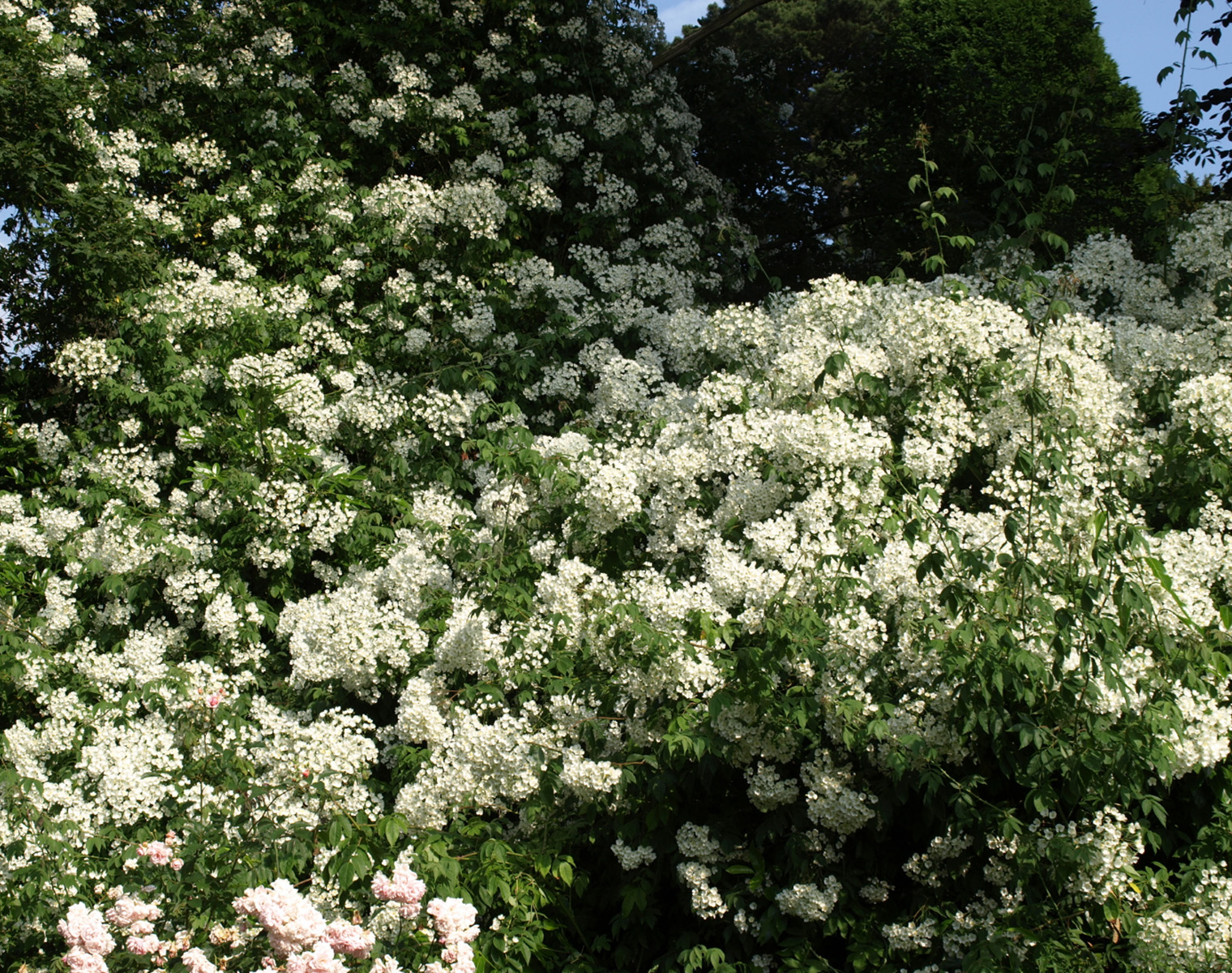
Kiftsgate Court Gardens are the creation of three generations of female gardeners, and that lineage gives the garden a particular character: confident, evolving, and deeply personal. It’s famous for its roses, and rightly so, but it’s the variety of experiences that makes it unforgettable.
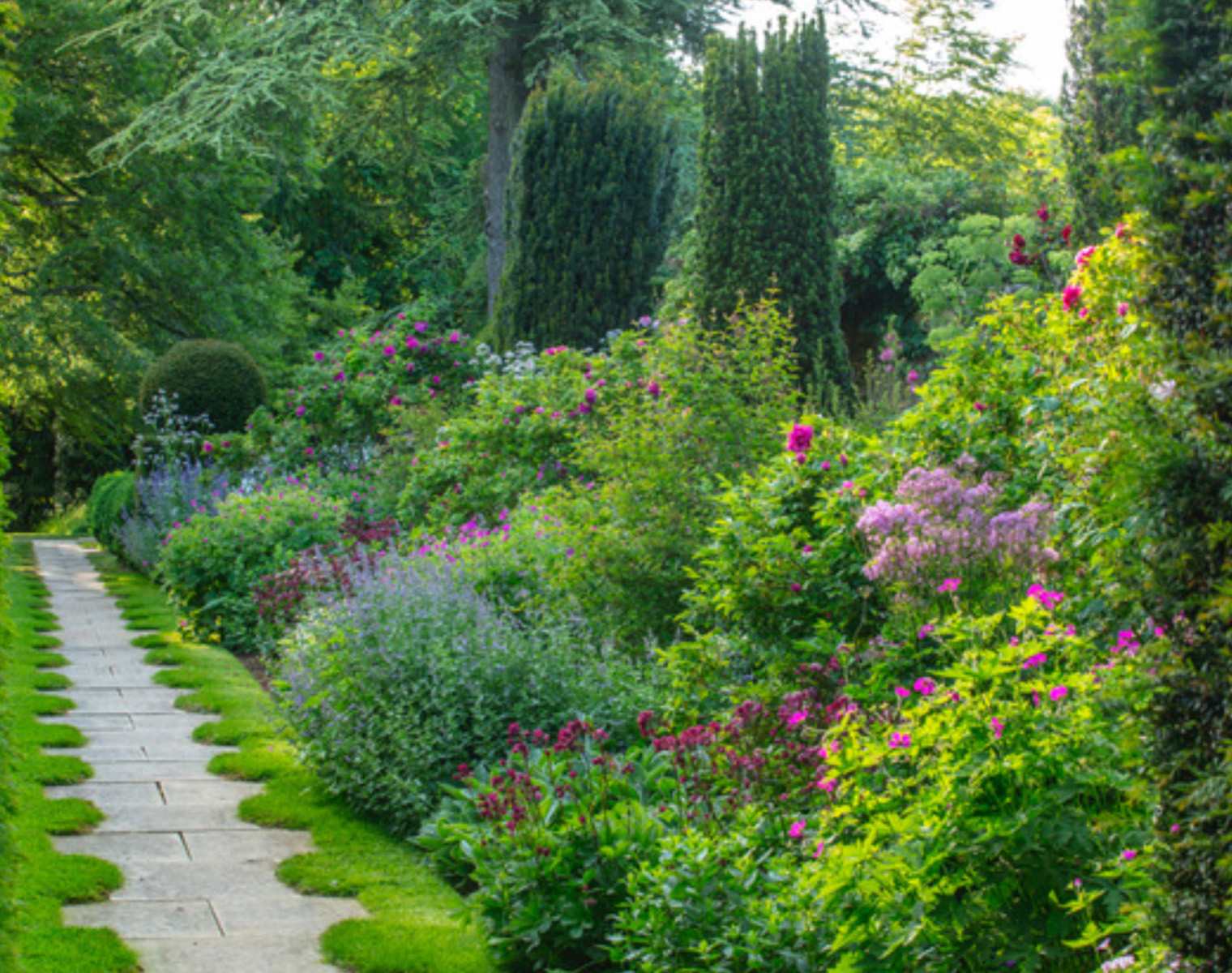
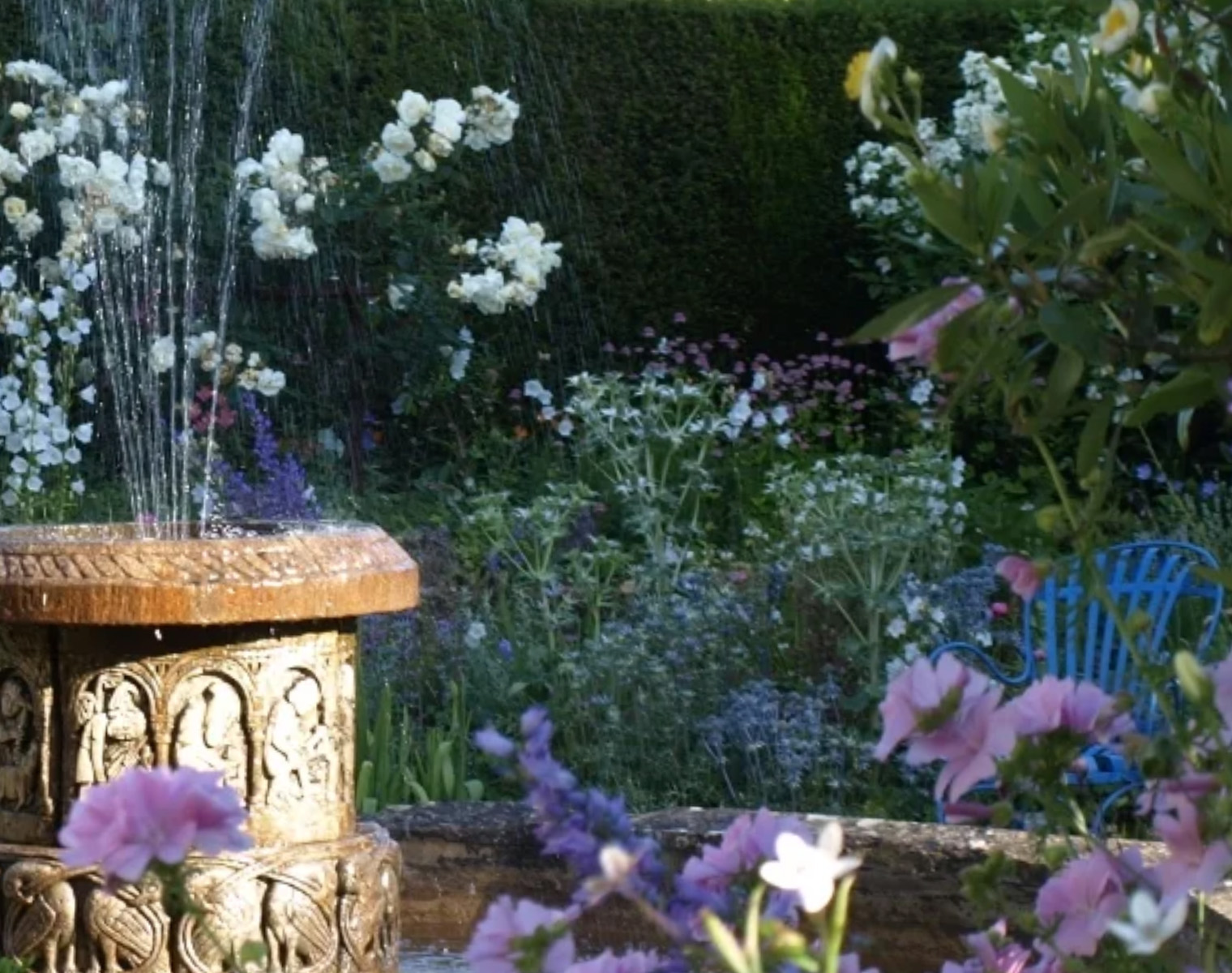
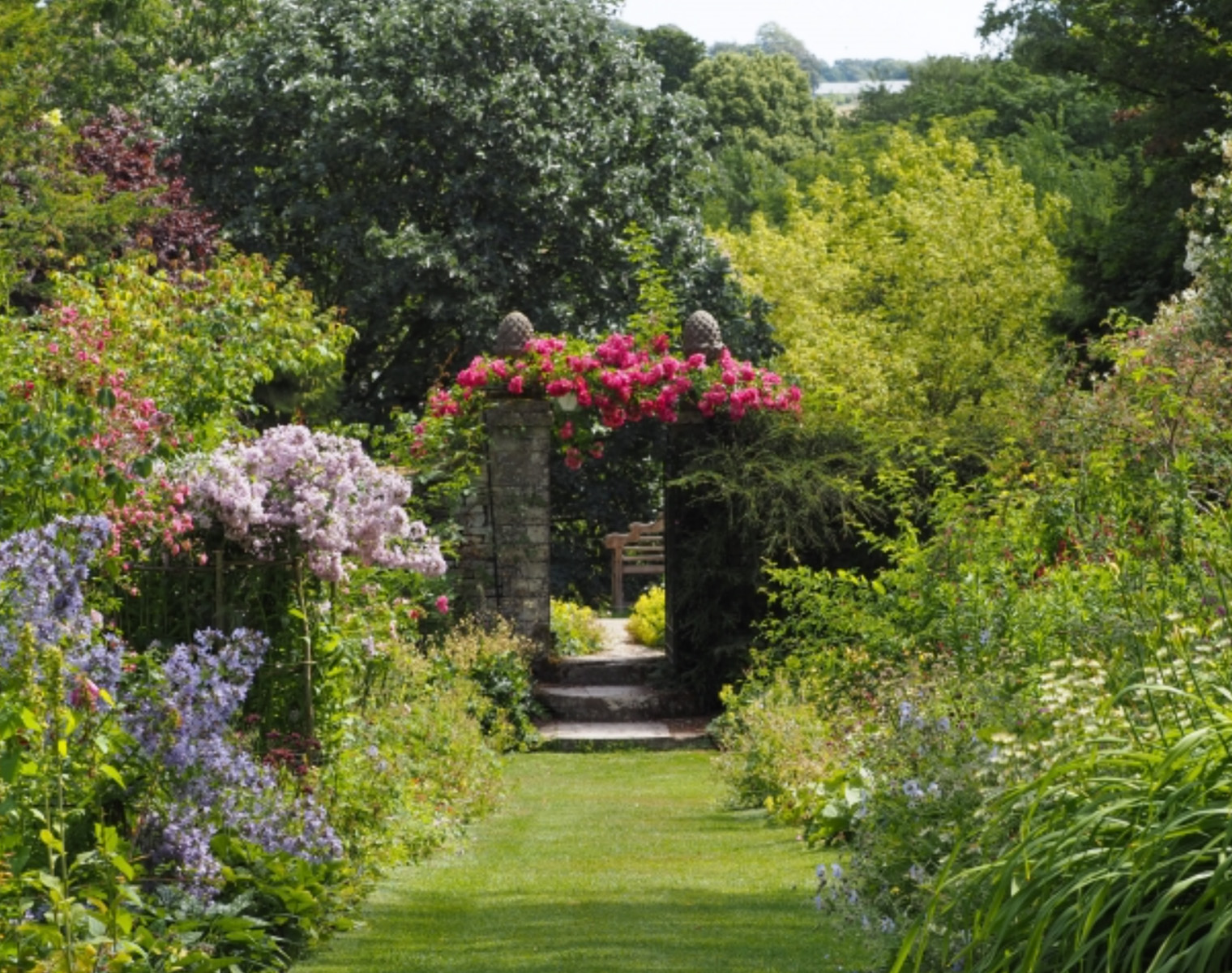
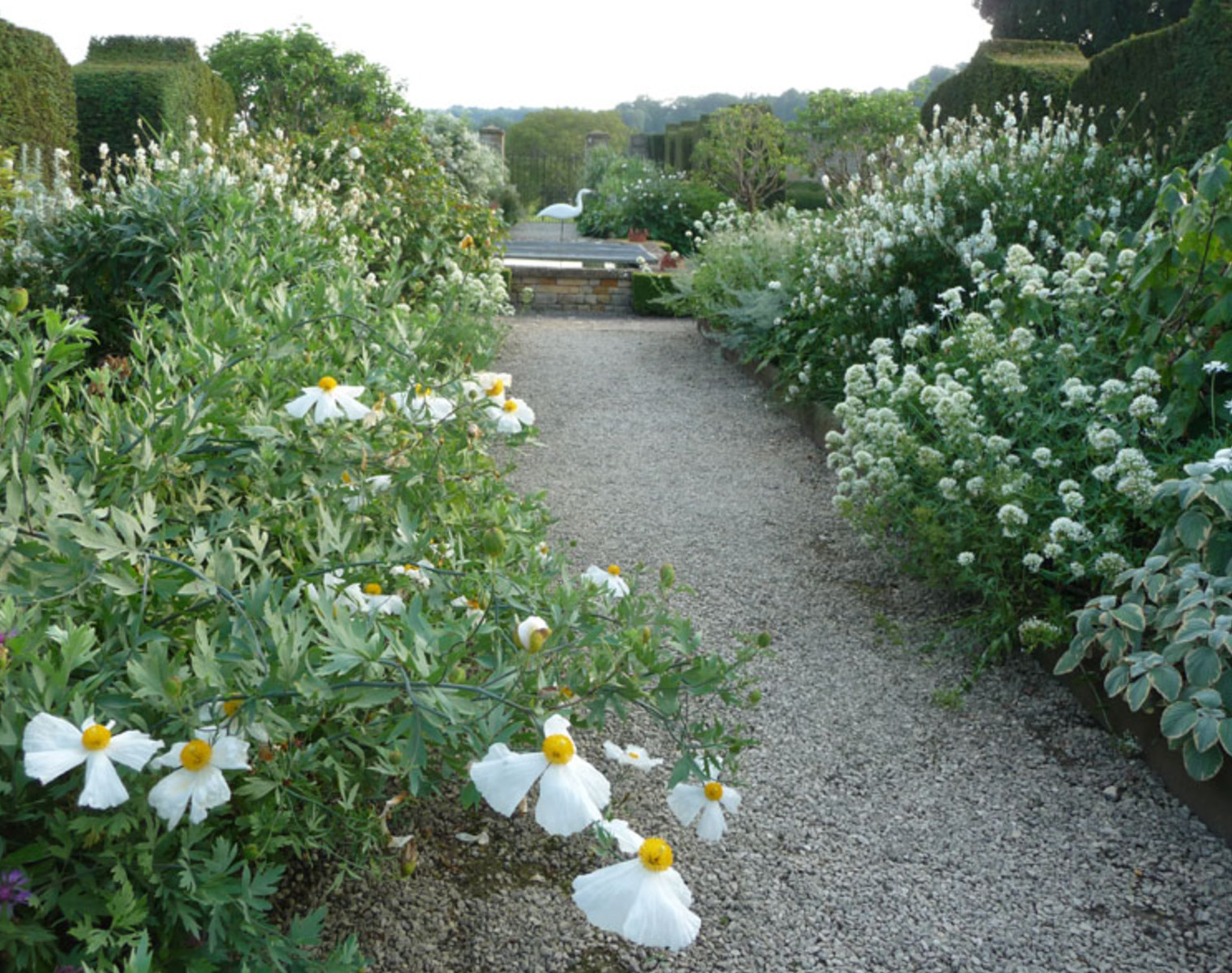
We’ll spend time with the sunken white garden, which offers a moment of calm and clarity – proof that restraint can be as powerful as abundance. Then there’s the double border, a richly layered composition of shrubs, small trees and herbaceous plants in shades of pink, mauve and grey. It’s a sophisticated palette that feels soft, but never dull, and it shows how foliage and form can do as much work as flower colour.
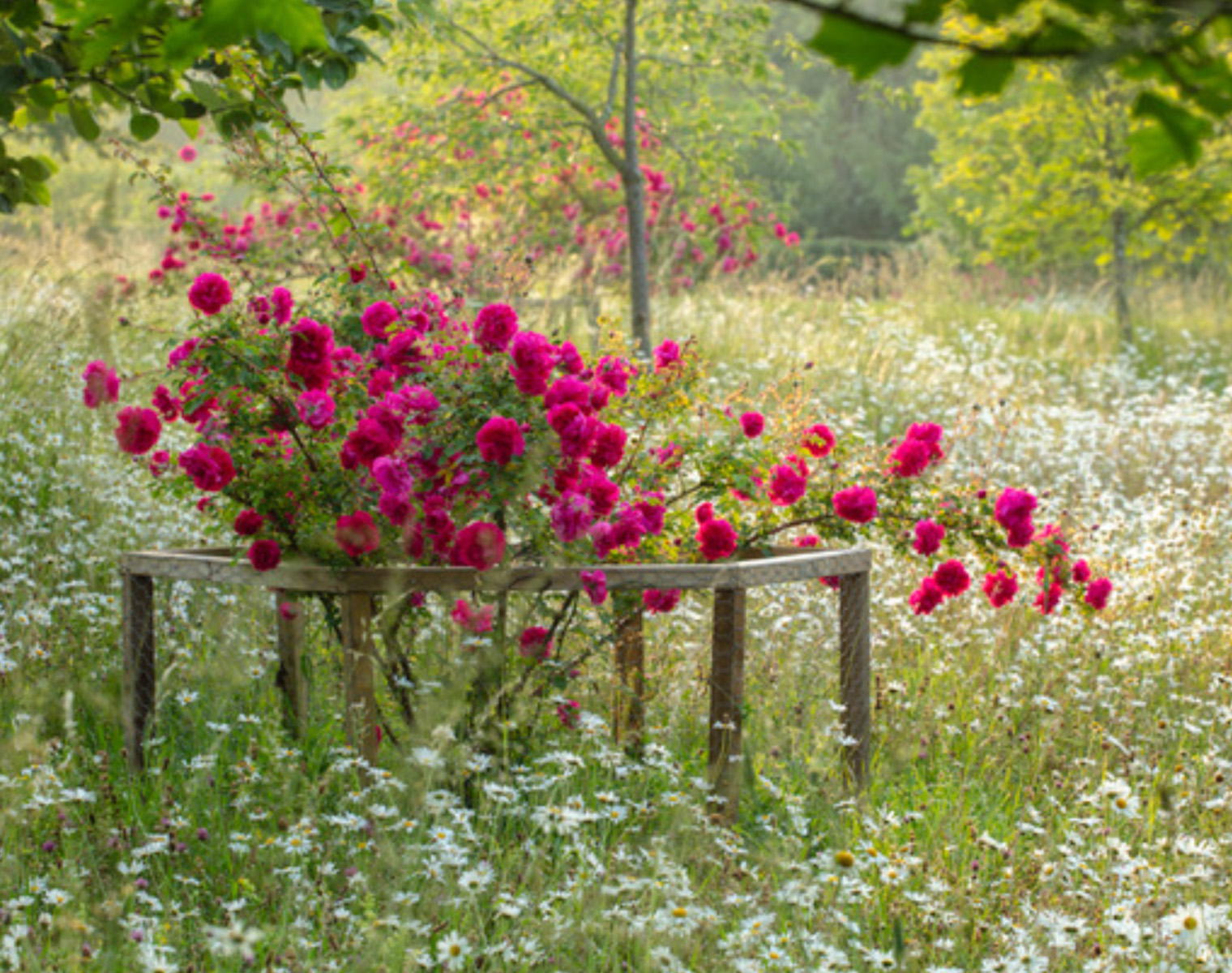
Kiftsgate also gives us those wonderful long views towards the Malvern Hills, reminding us that the best gardens don’t stop at their boundaries; they borrow the landscape beyond. And the wild garden adds another register entirely – looser, more natural, and yet still guided by a gardener’s hand. It’s a brilliant example of how to balance romance with control.
A modern Cotswolds classic
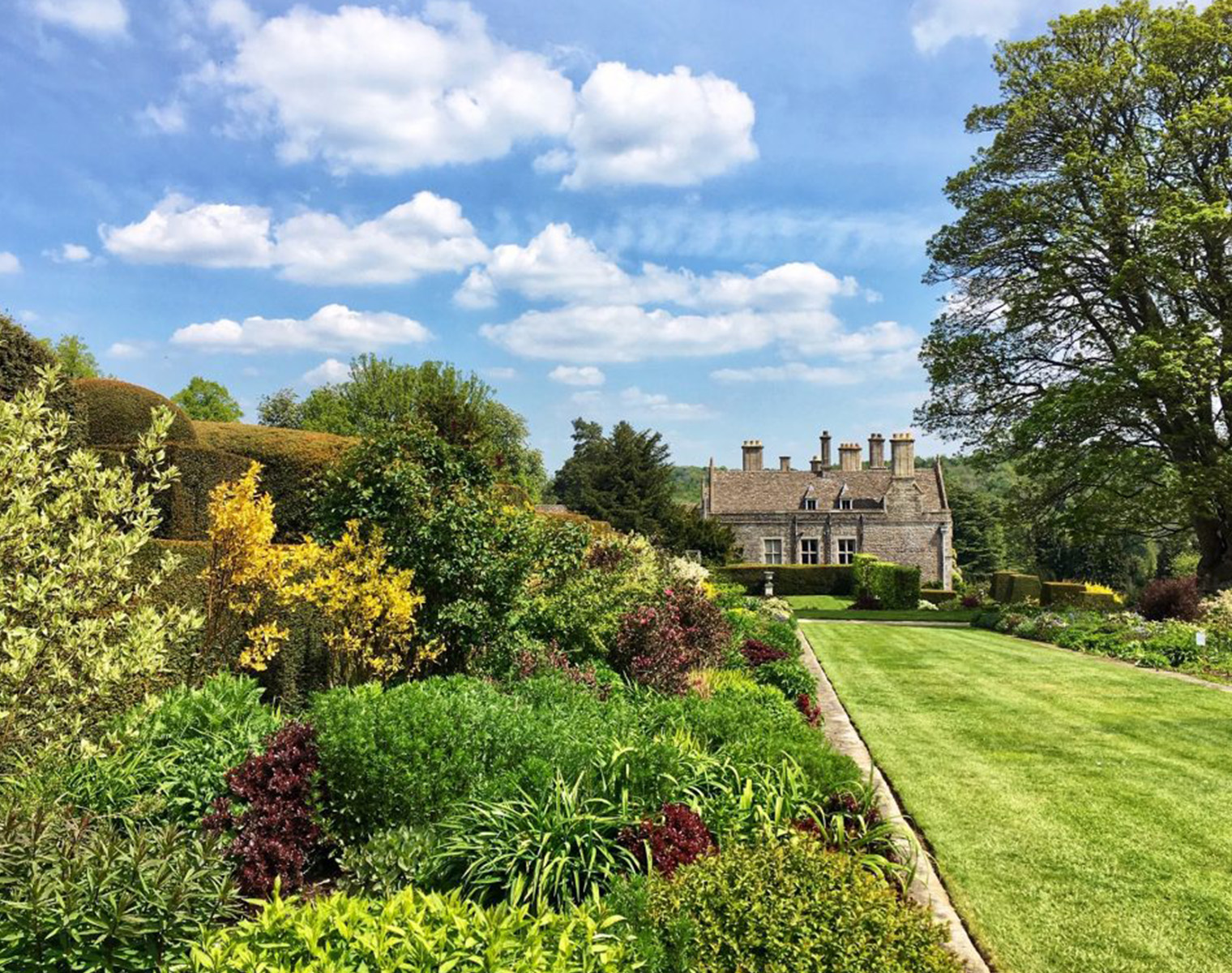
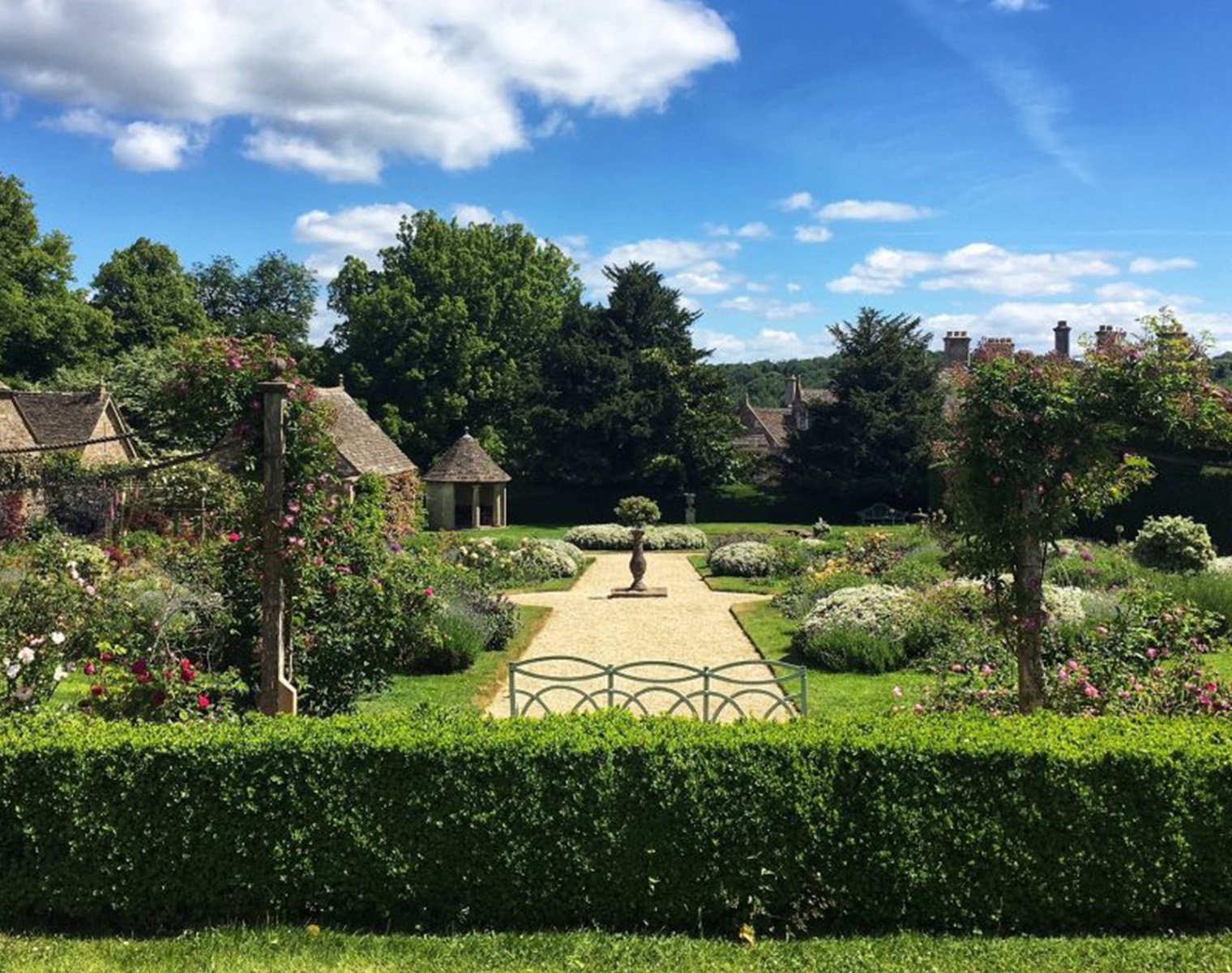
Bourton House Garden is one of those places that feels instantly composed – crisp, confident, and beautifully maintained – yet it never loses its sense of welcome. The topiary is a real highlight: strong shapes that give the garden year-round structure and a satisfying rhythm as you move through the spaces. It’s a wonderful example of how clipped form can make planting look even more generous.
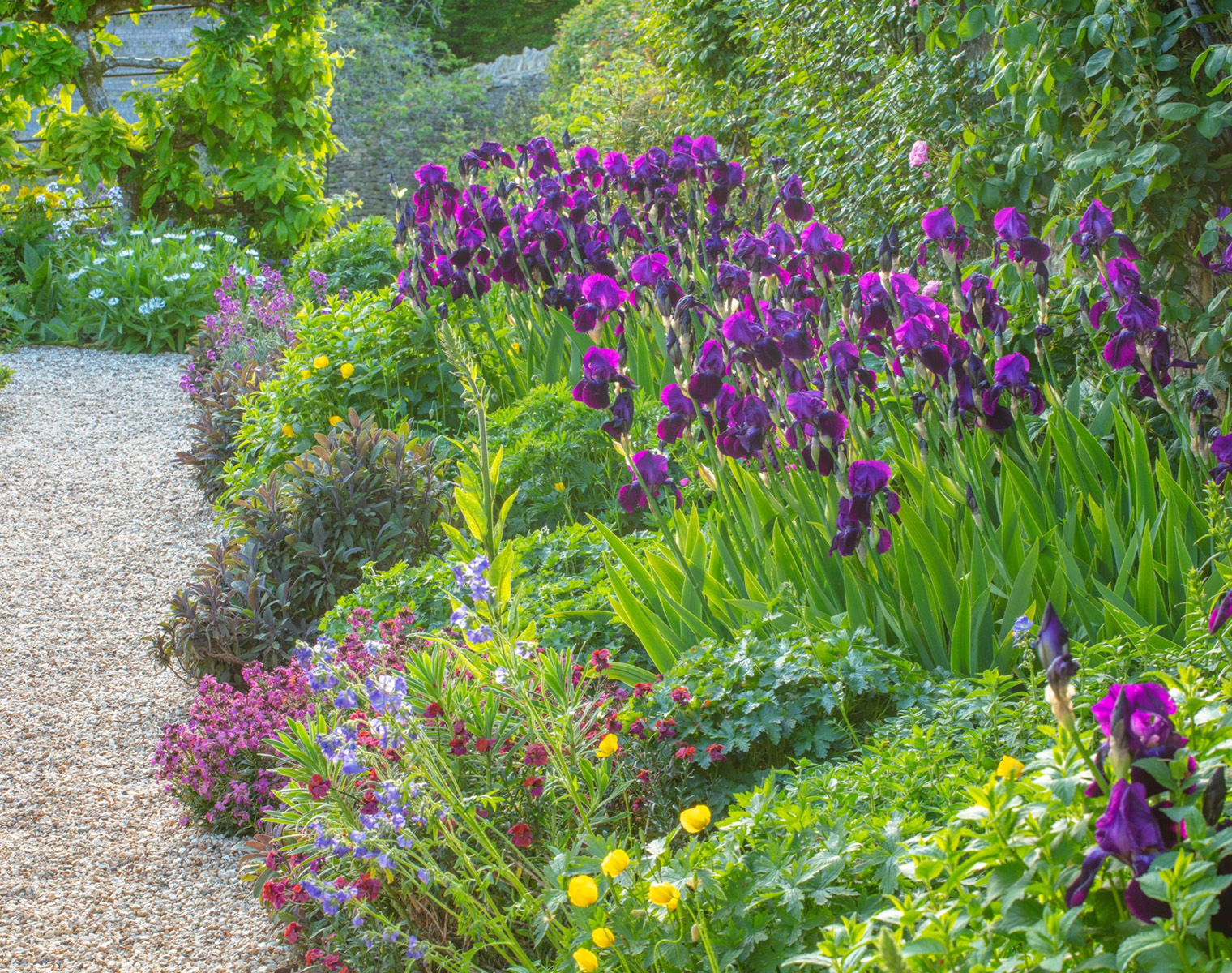
I’m particularly fond of the herbaceous borders here, where colour and texture are handled with a light touch. You’ll see how repetition and restraint create cohesion, and how a few well-chosen contrasts – spiky against rounded, airy against dense – keep the planting lively without tipping into chaos. Bourton is also a great garden for stealing practical ideas: how to use hedging to create shelter, how to build ‘rooms’ without feeling boxed in, and how to make a garden look sharp while still allowing plants to feel natural.
Repton landscapes and organic inspiration
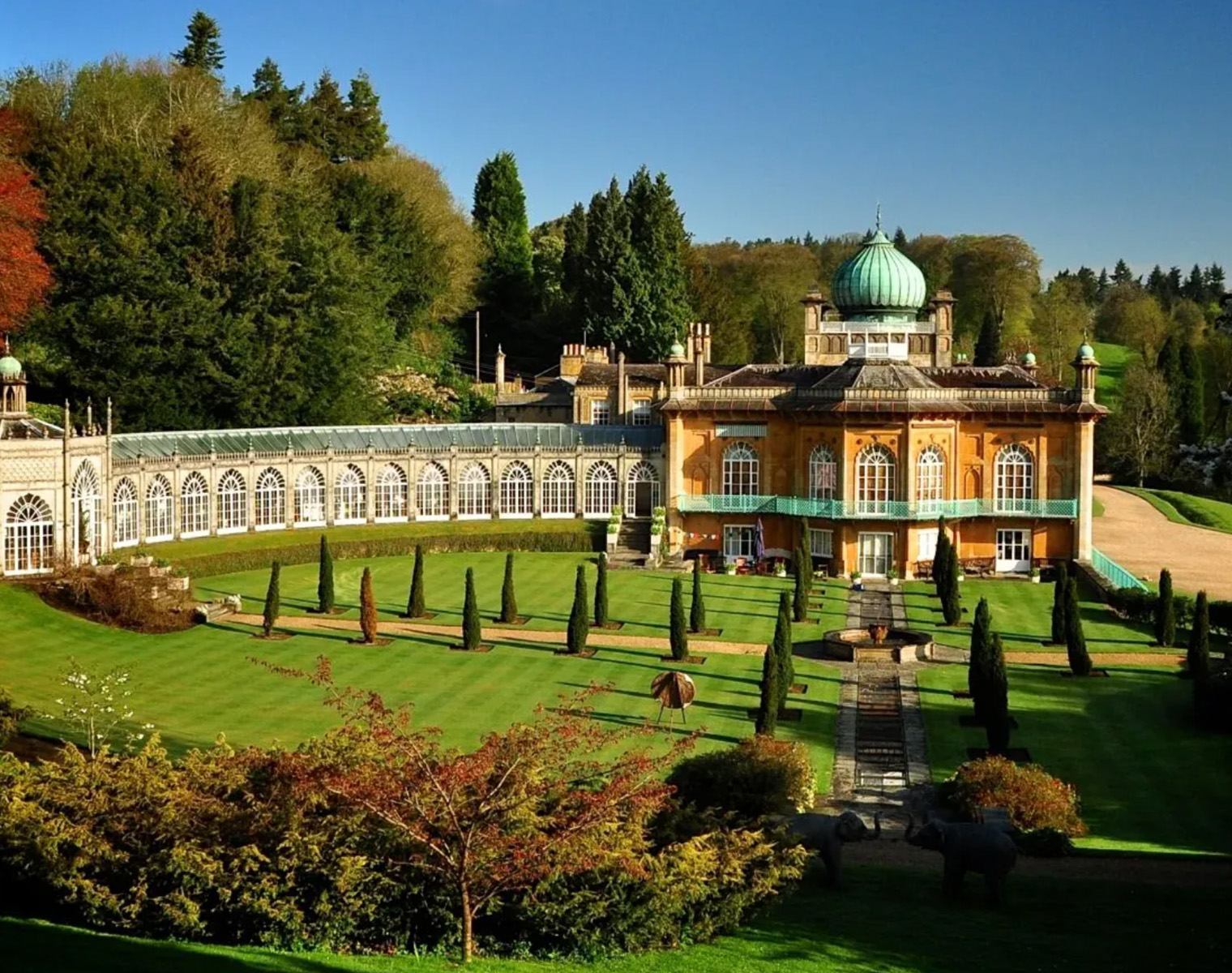
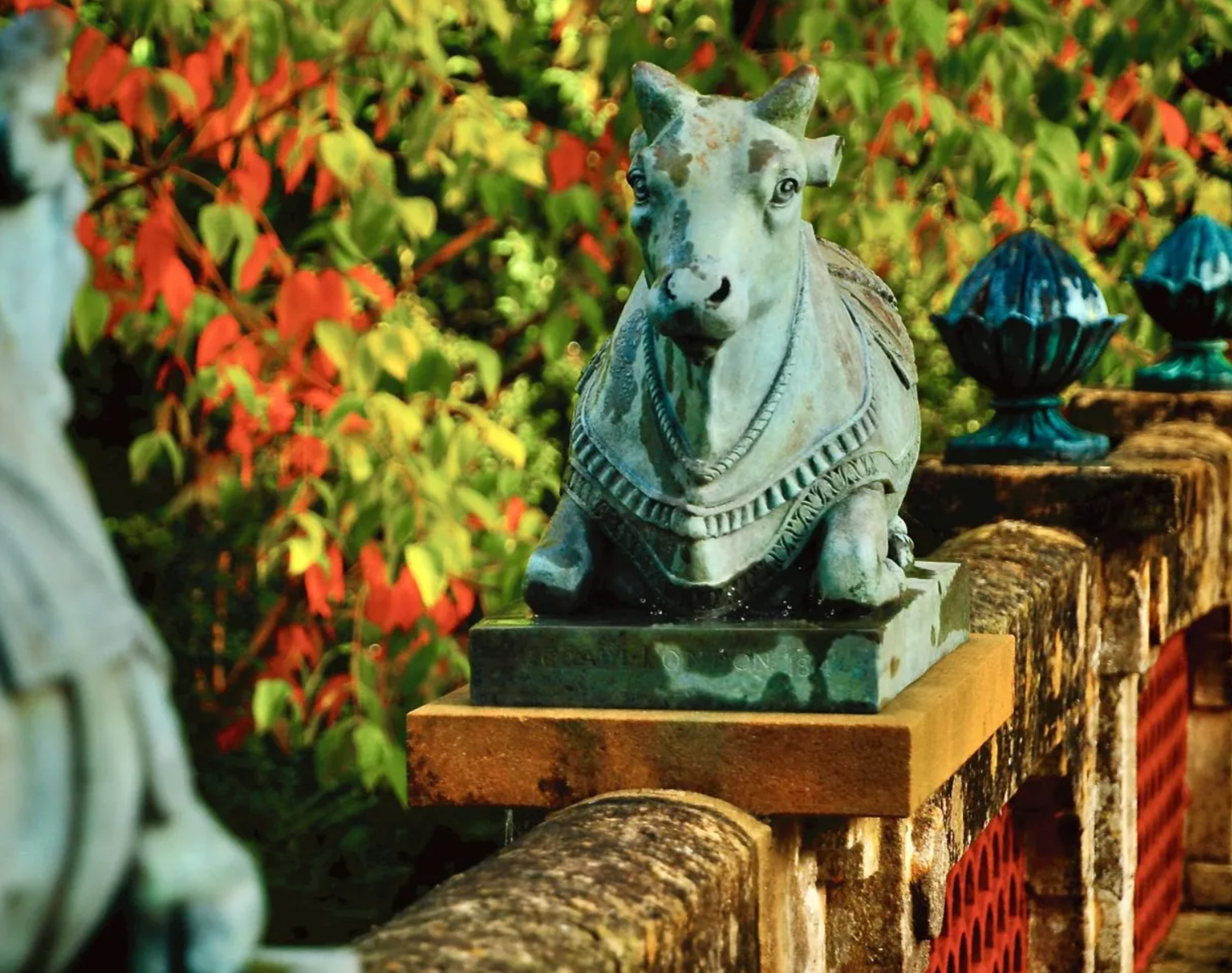
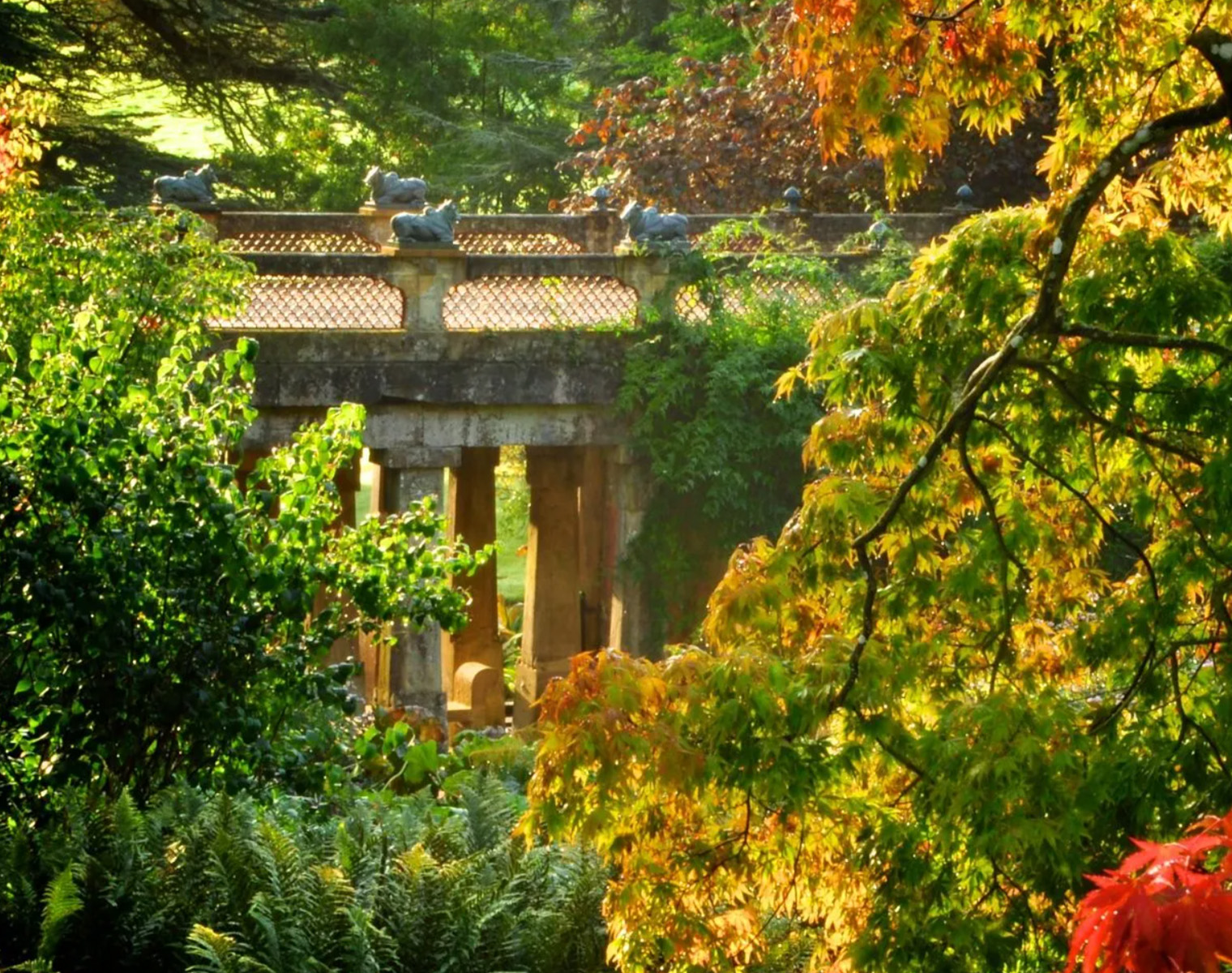
Sezincote, near Moreton-in-Marsh, offers a striking change of mood. Set on a vast private estate, the Humphrey Repton landscape provides the backdrop for an ‘Indian palace’-style house, and the gardens themselves display Mughal motifs and plantings that evoke a sense of paradise. It’s a place where design references are felt through geometry, water, and atmosphere – an invitation to think about how gardens can tell stories as well as grow plants.
We also hope to include a visit to Highgrove, the private residence of Their Majesties King Charles III and Queen Camilla. Highgrove is renowned for its beautiful and innovative gardens, designed and regenerated over the past 40 years with passion and skill. What I find most inspiring is the guiding ethos: the gardens and estate are managed in accordance with organic and sustainable principles, and that commitment is visible in the health of the planting and the richness of the landscapes.
By the end of the tour, my hope is that you’ll take home more than photographs. You’ll have a sharper eye for structure, a better understanding of planting styles, and practical ideas you can apply – whether that’s creating a garden room, refining a colour palette, or simply learning to trust repetition and restraint. Most of all, you’ll leave with that quiet, energising feeling the Cotswolds do so well: that gardening is both art and craft, and that beauty can be built – thoughtfully, season by season.