
Hidden Gems and Gardens of the Baltic Cruise: BBC Gardeners’ World Magazine July 2026



David’s tour highlights…
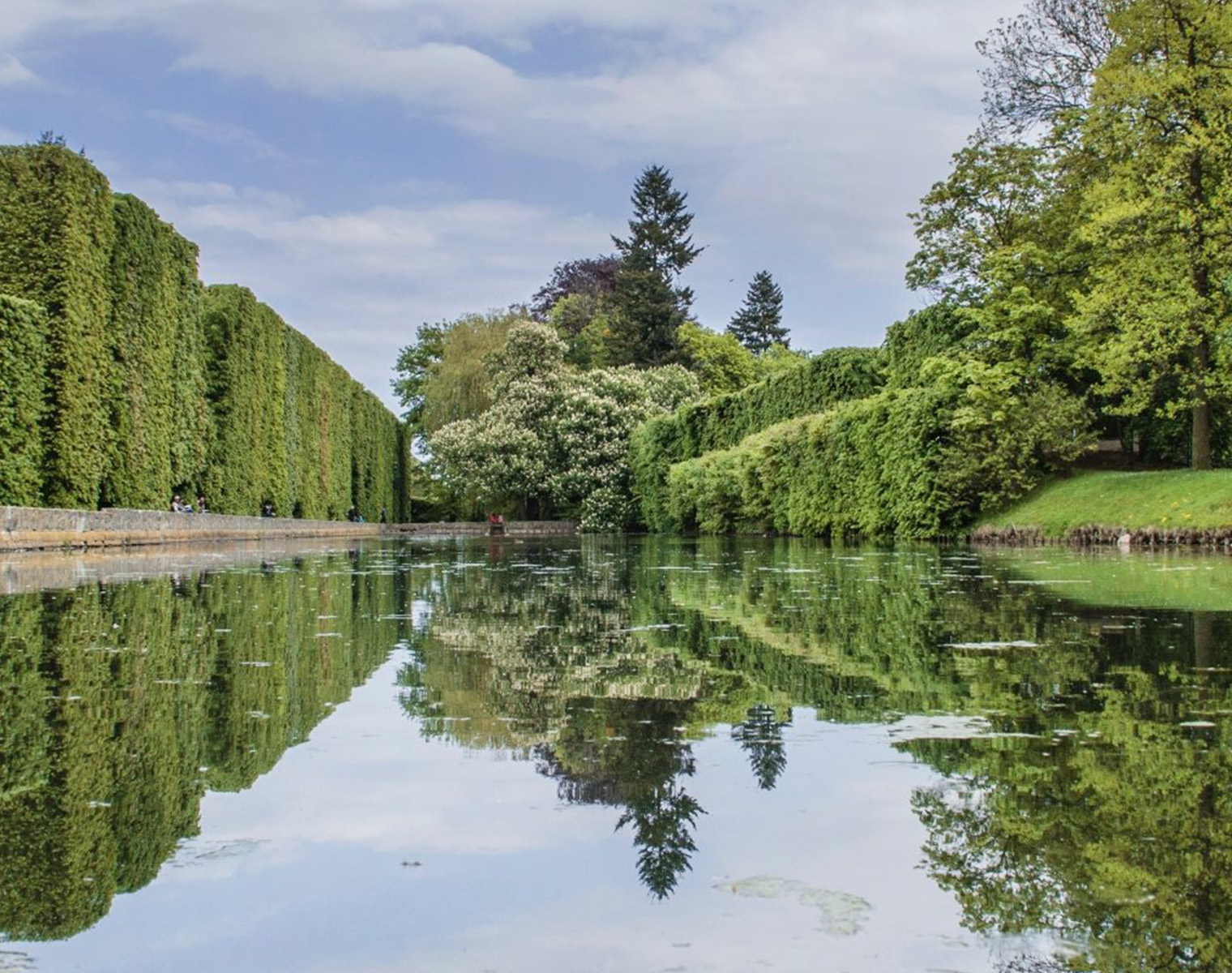
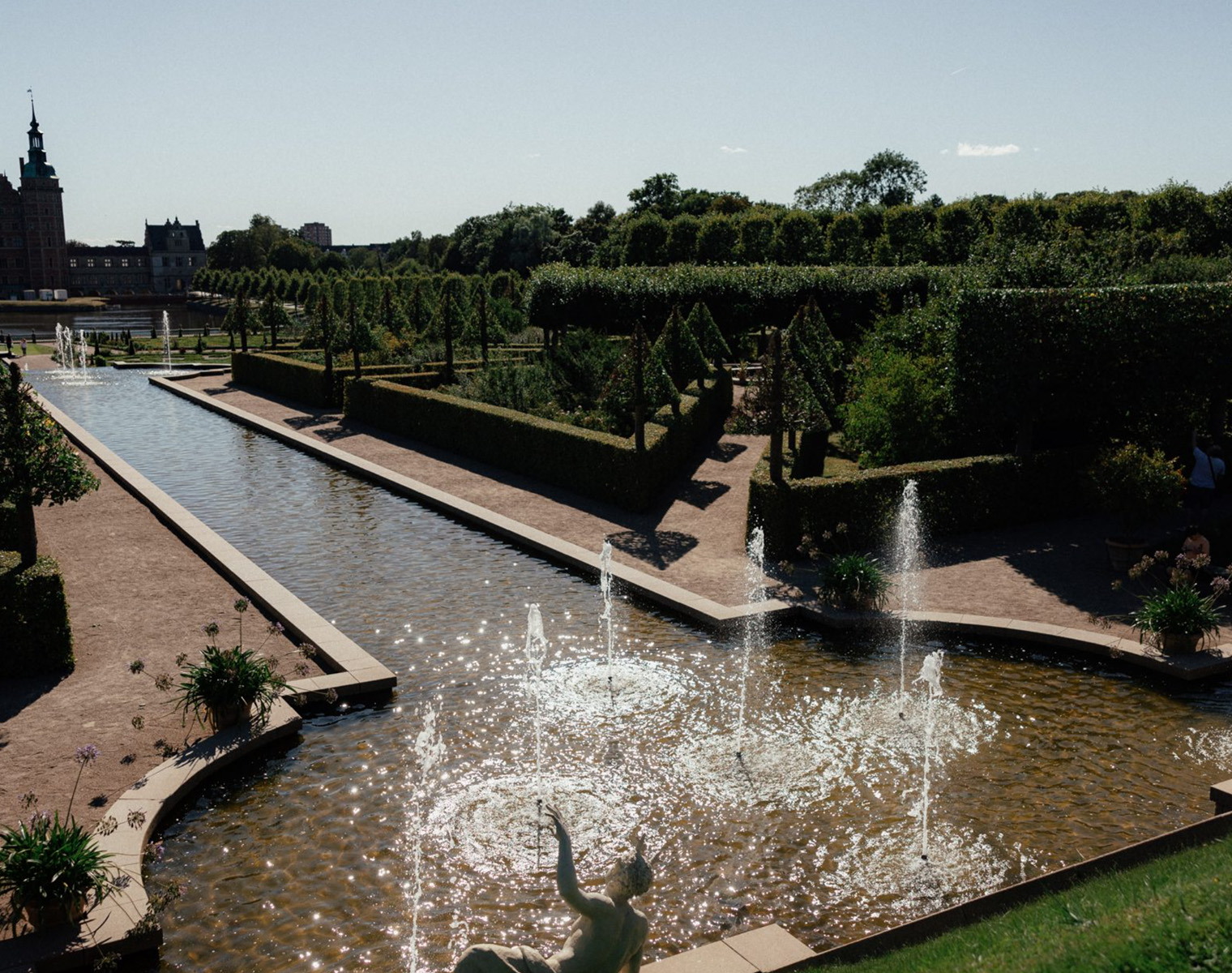
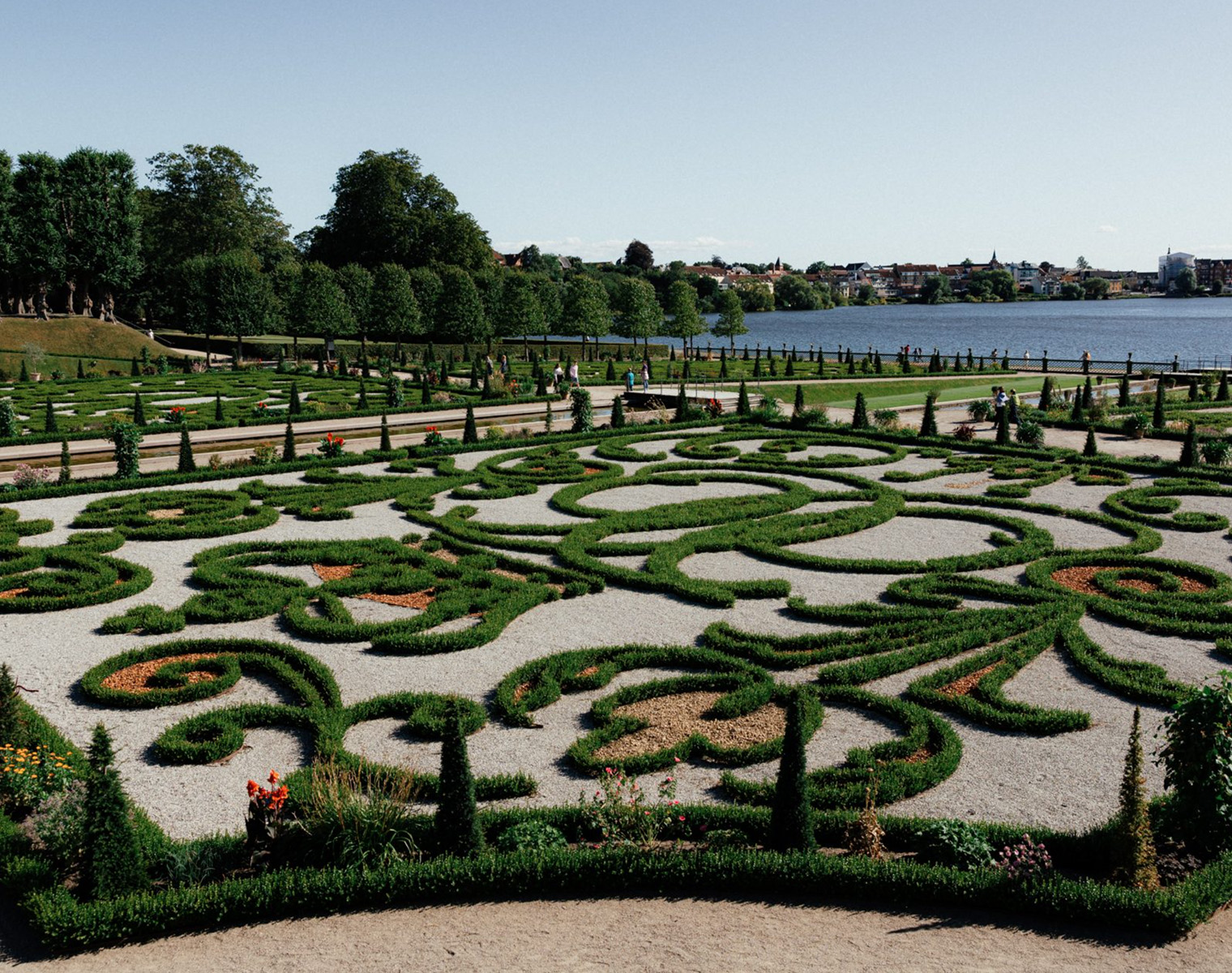
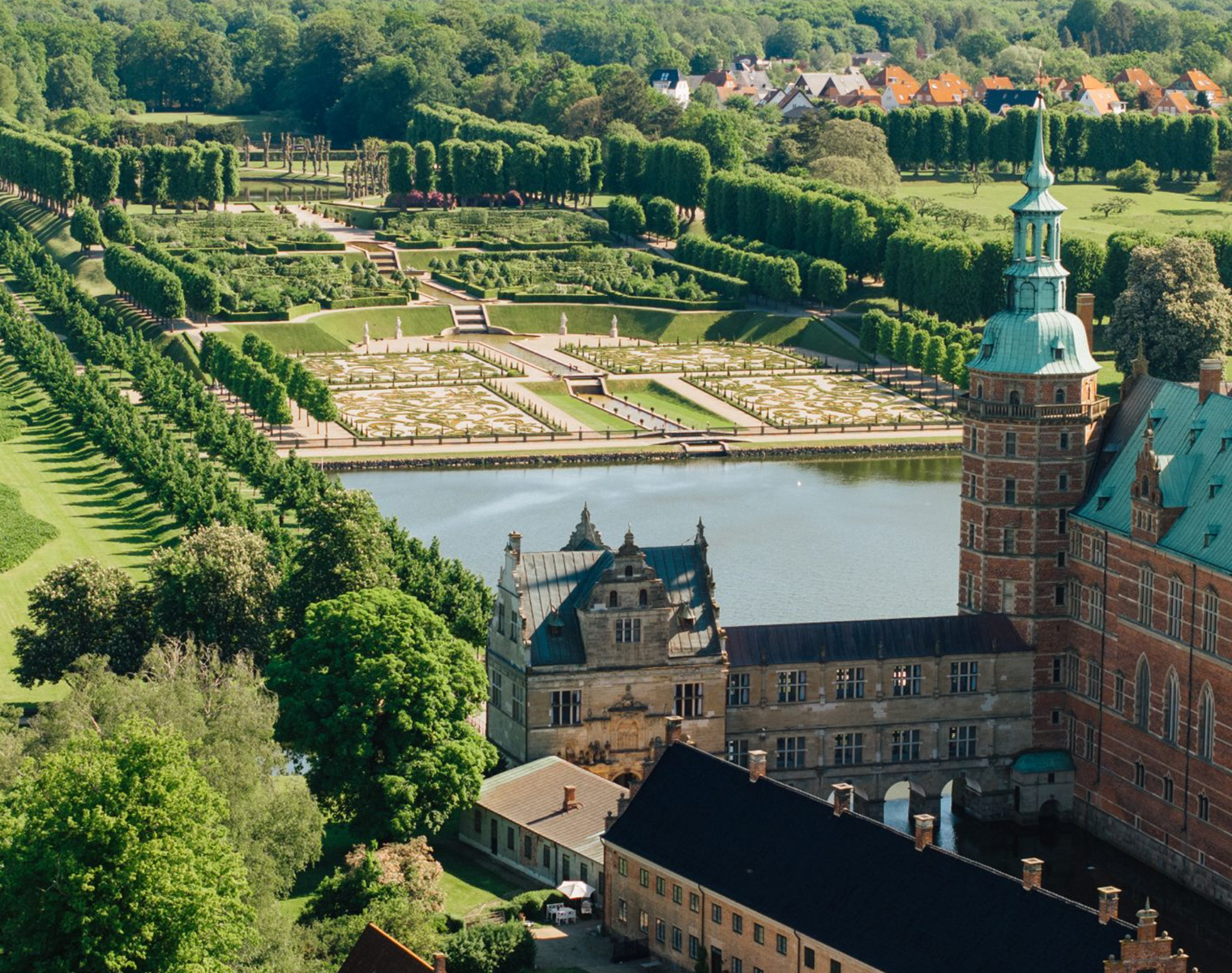
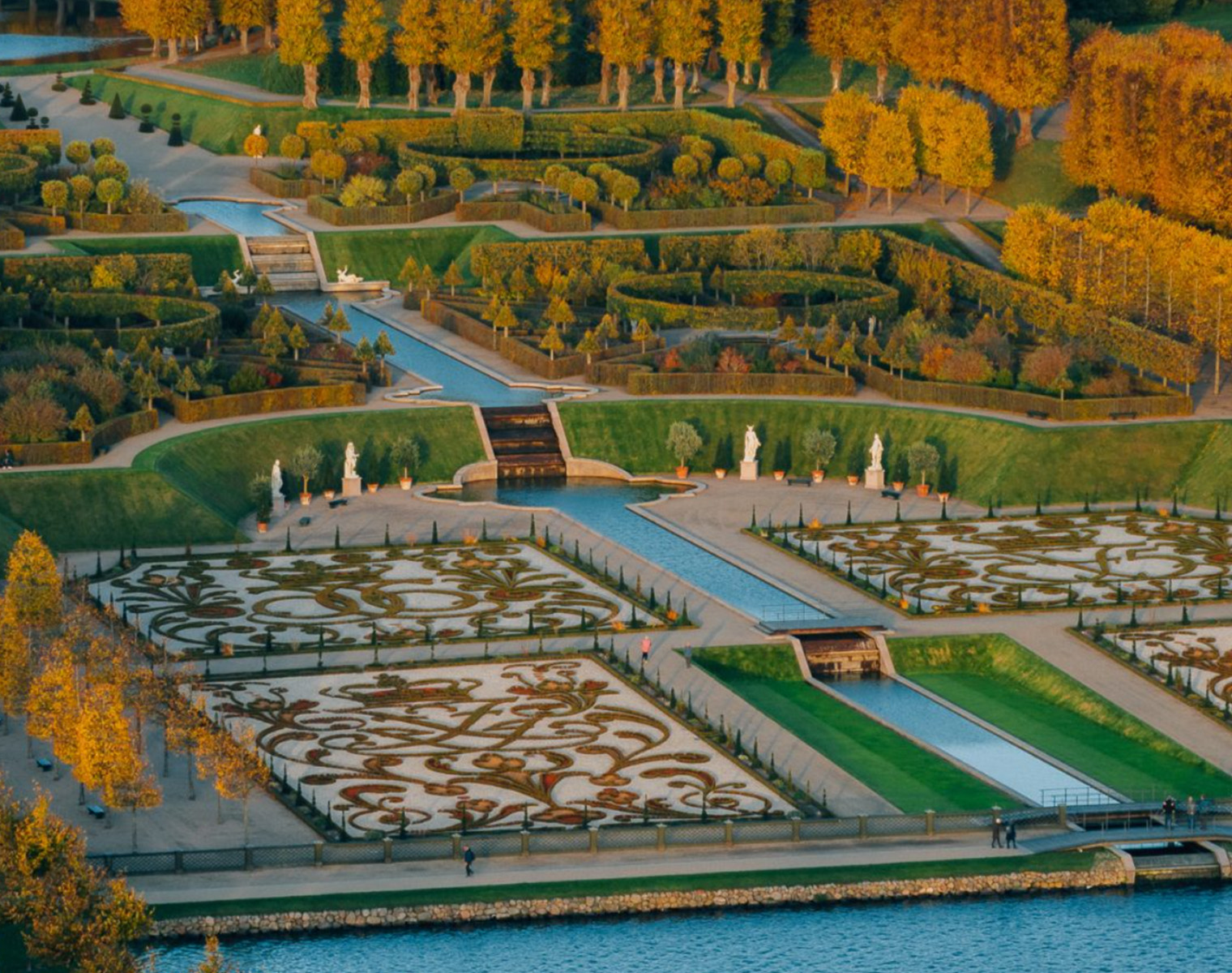
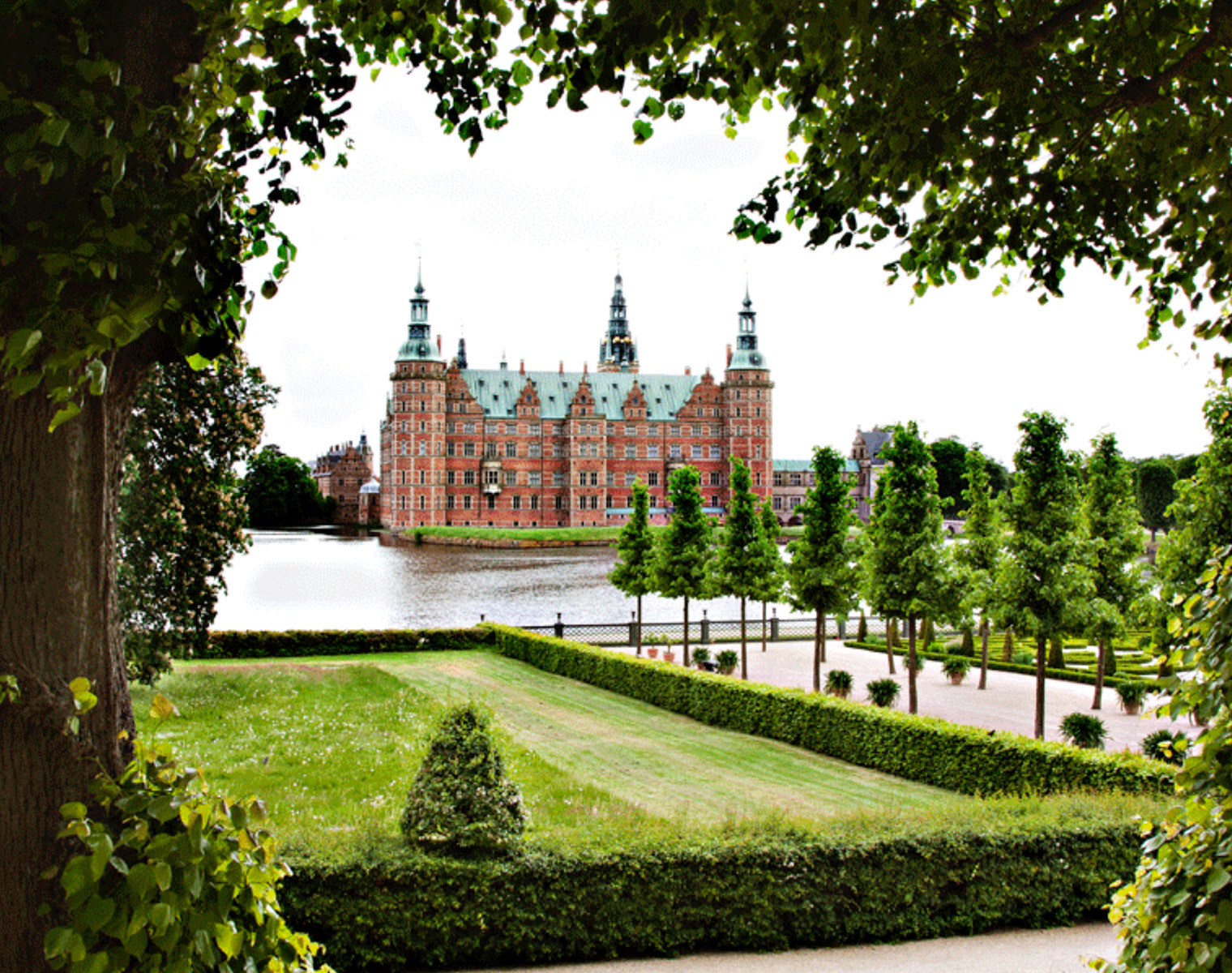
“Frederiksborg is the moment the cruise turns into a true masterclass in design. The garden’s bold geometry, long sightlines and disciplined structure show how order can create calm, even at grand scale. I love how water is used as a design spine – reflecting light, framing views and cooling the space – while the planting adds seasonal softness without ever losing clarity.”
There’s something wonderfully civilised about discovering great gardens by sea. You unpack once, the horizon does the moving, and each new port brings a fresh palette of plants, design ideas and horticultural history. This is exactly how it will be on the BBC Gardeners’ World Hidden Gems and Gardens of the Baltic Cruise. And if past cruises are anything to go by the ship will quickly become a floating garden club: conversations start at breakfast, continue on deck, and end with someone sketching a border idea on a napkin.
And it’s not only the destinations that deliver. Even our hotel for the week – our ship – has its own kind of garden magic: open decks for sea air and light, sheltered corners for a quiet read, and those long promenades that make you look up, slow down and notice the world properly. It’s the perfect setting for the on-board talks and Q&A sessions, where we can dig into plant choices, design principles and the practical “how would I do that at home?” questions while the Baltic slips by.
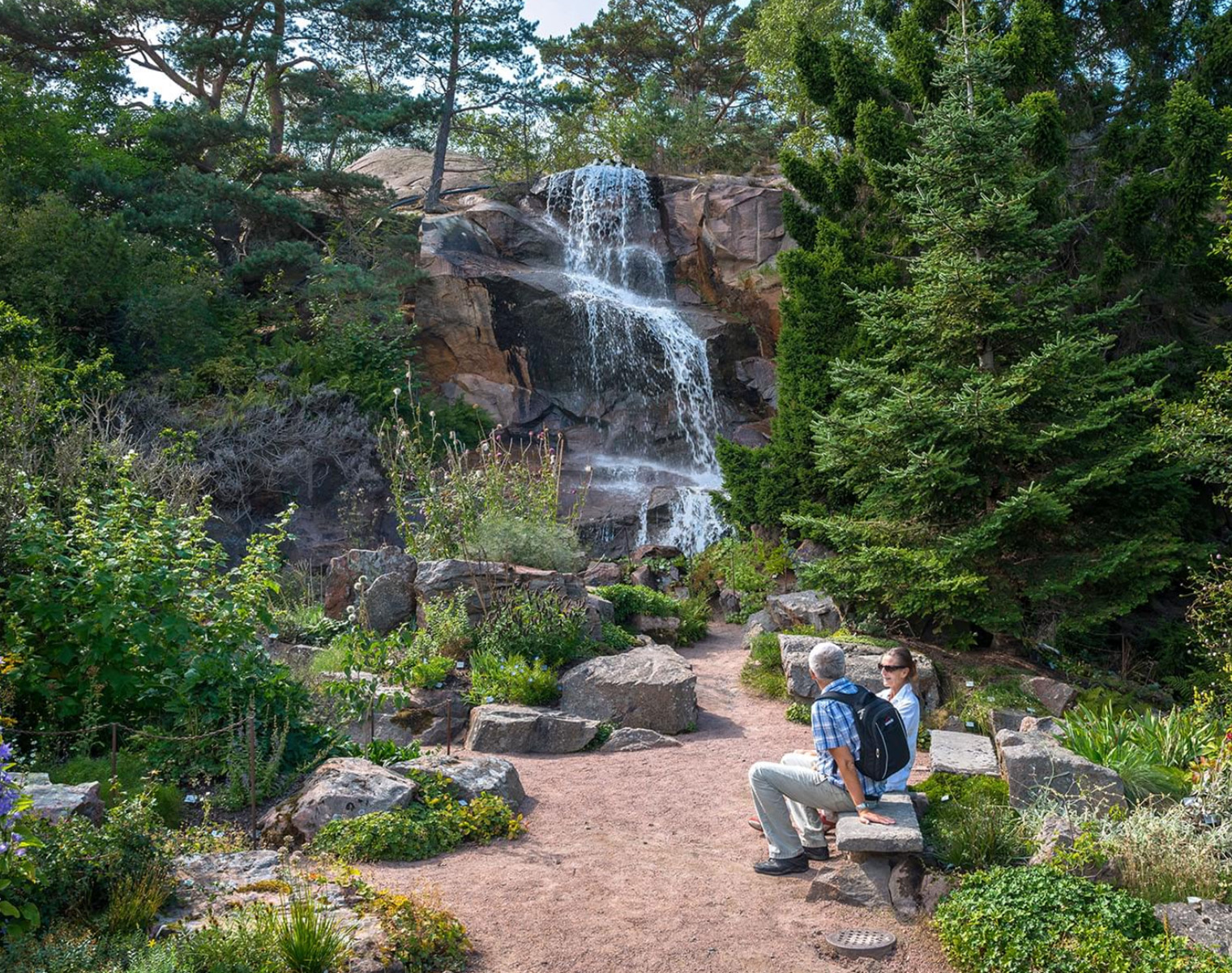
Gothenburg Botanical Garden: world-class collections and Scandinavian clarity
Gothenburg Botanical Garden is one of those places that makes gardeners go quiet for a moment – partly out of awe, partly because there’s so much to take in. It’s a garden that combines serious plant collecting with a calm, Scandinavian sense of order. Even when the planting is abundant, it’s never chaotic; there’s always a clear structure underneath.
What I love here is the breadth. You can move from woodland character to more open, curated displays and feel the garden shifting gear without losing its identity. It’s a masterclass in how to handle transitions – how paths, changes in canopy, and subtle shifts in planting density can guide you through a big space.
For anyone interested in plants as well as design, this is pure treasure: the sort of place where you find yourself taking photographs of bark, buds and leaf shapes, not just flowers. And for home gardeners, there are constant takeaways – how to use foliage as the backbone of a border, how to repeat shapes for cohesion, and how to make a garden feel restful even when it’s richly planted.
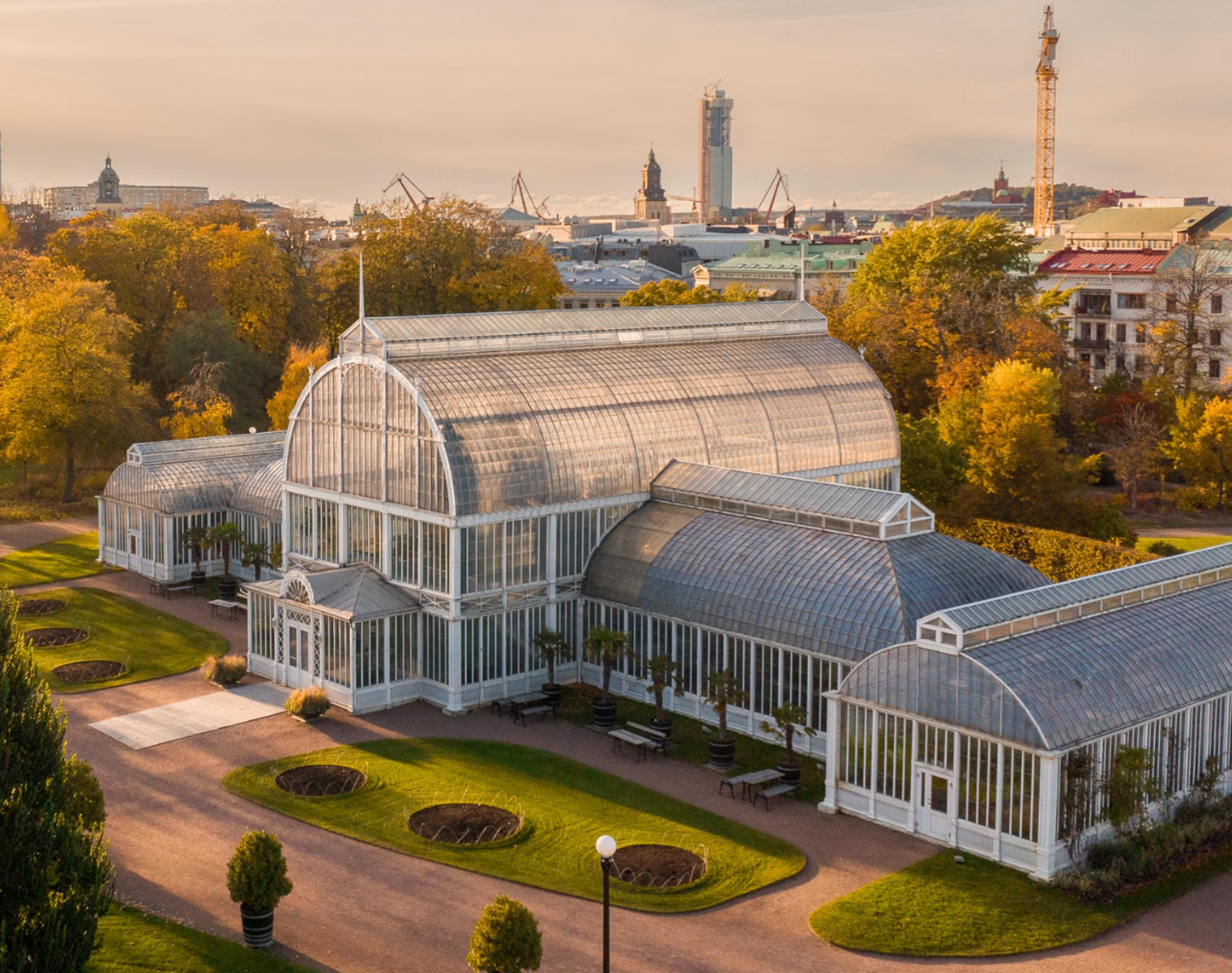
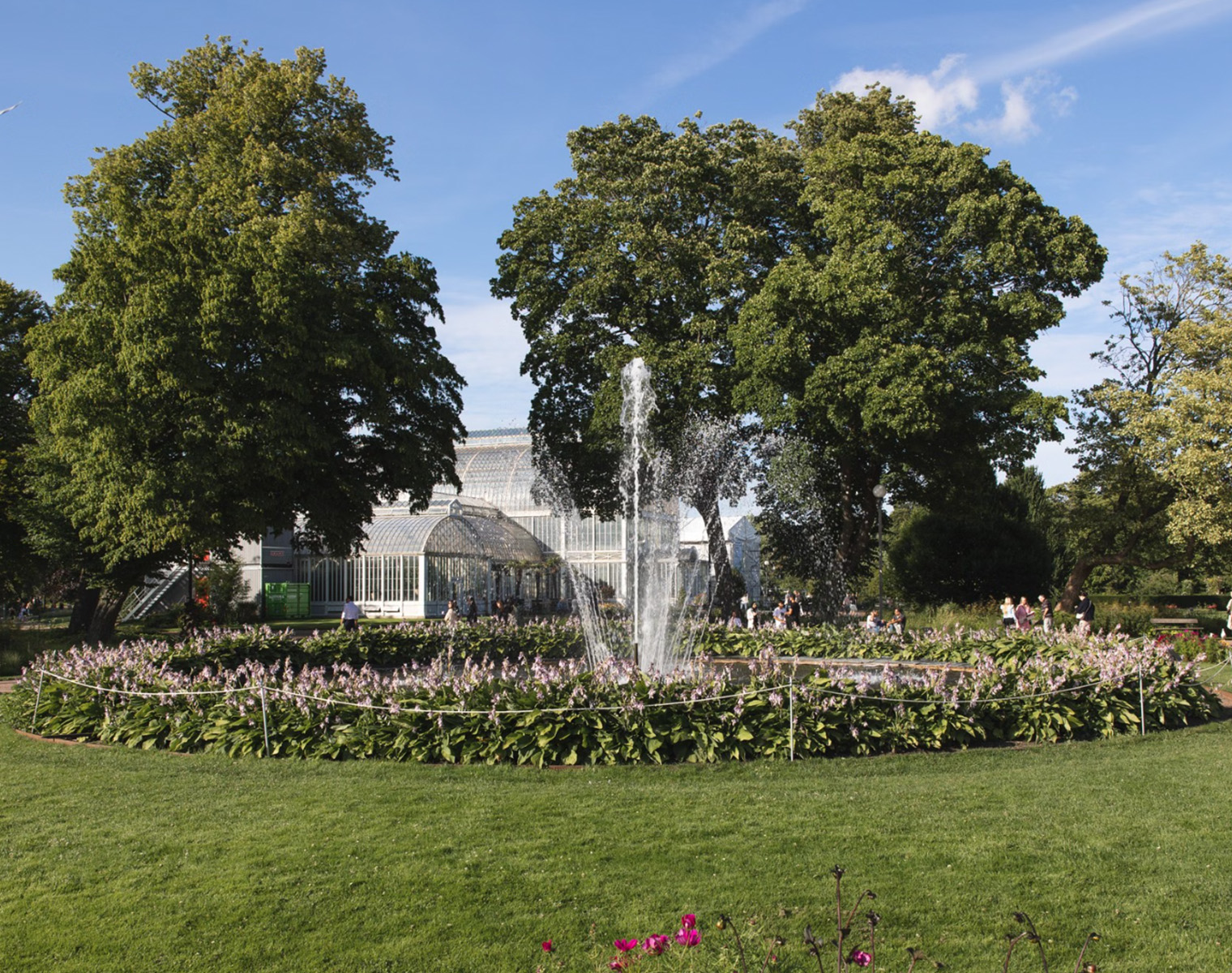
The Garden Society of Gothenburg: a city garden with heart and seasonal colour
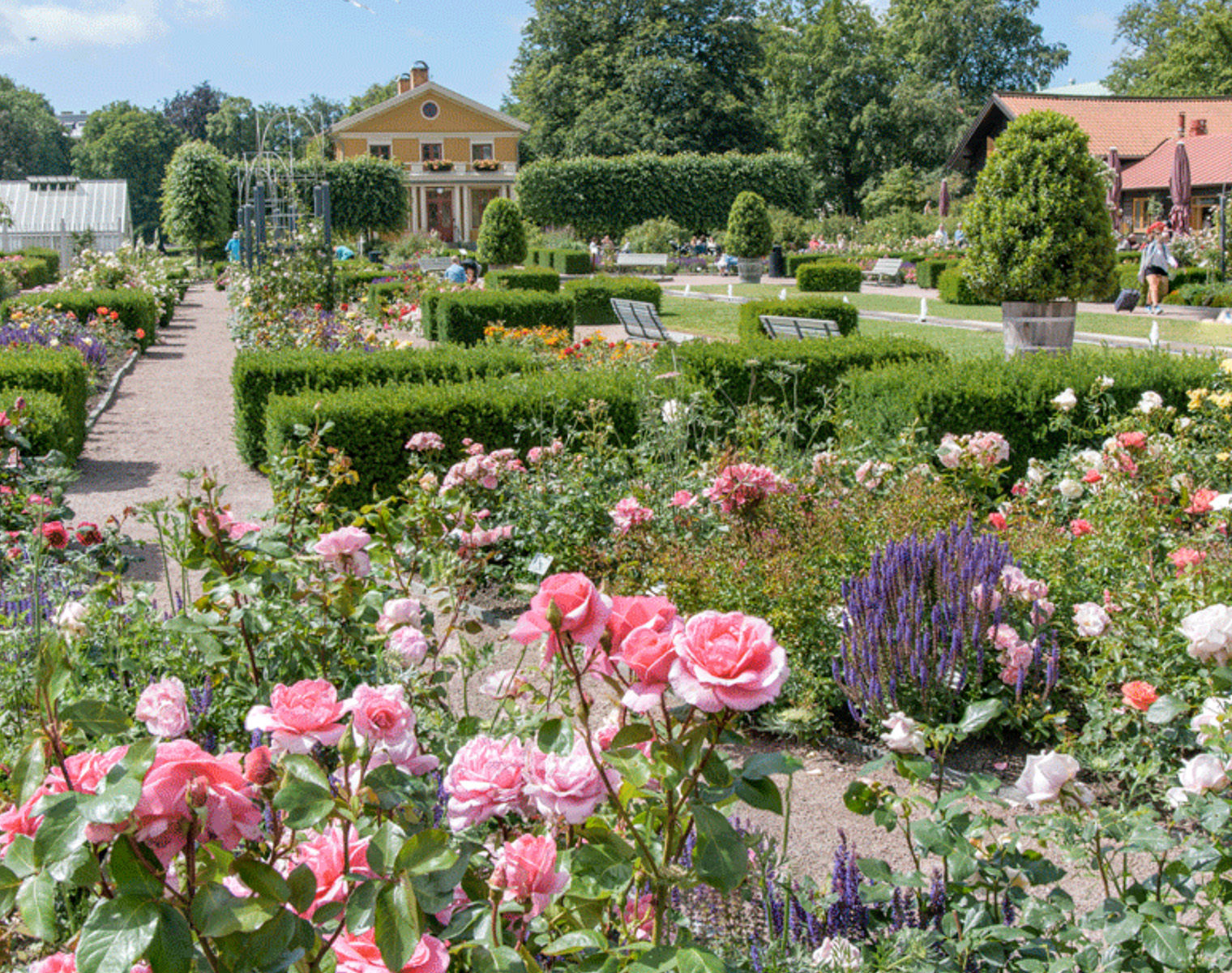
The Garden Society of Gothenburg offers a different kind of pleasure: more intimate, more immediately “doable”, and full of seasonal charm. It’s the kind of place that reminds you why public gardens matter so much. They’re not only beautiful; they’re generous – spaces made for strolling, meeting, sitting, and noticing.
Here, the planting feels closer to the visitor. You can study combinations at eye level and come away with those practical sparks: “That’s a pairing I could try,” or “That’s how they’ve used a hedge to make a room.” It’s also a lovely example of how a city garden can balance formality with softness – structure that gives clarity, and planting that brings warmth.
I always enjoy the conversations this garden prompts, because it’s where people start translating inspiration into action. It’s less about being impressed and more about being equipped.
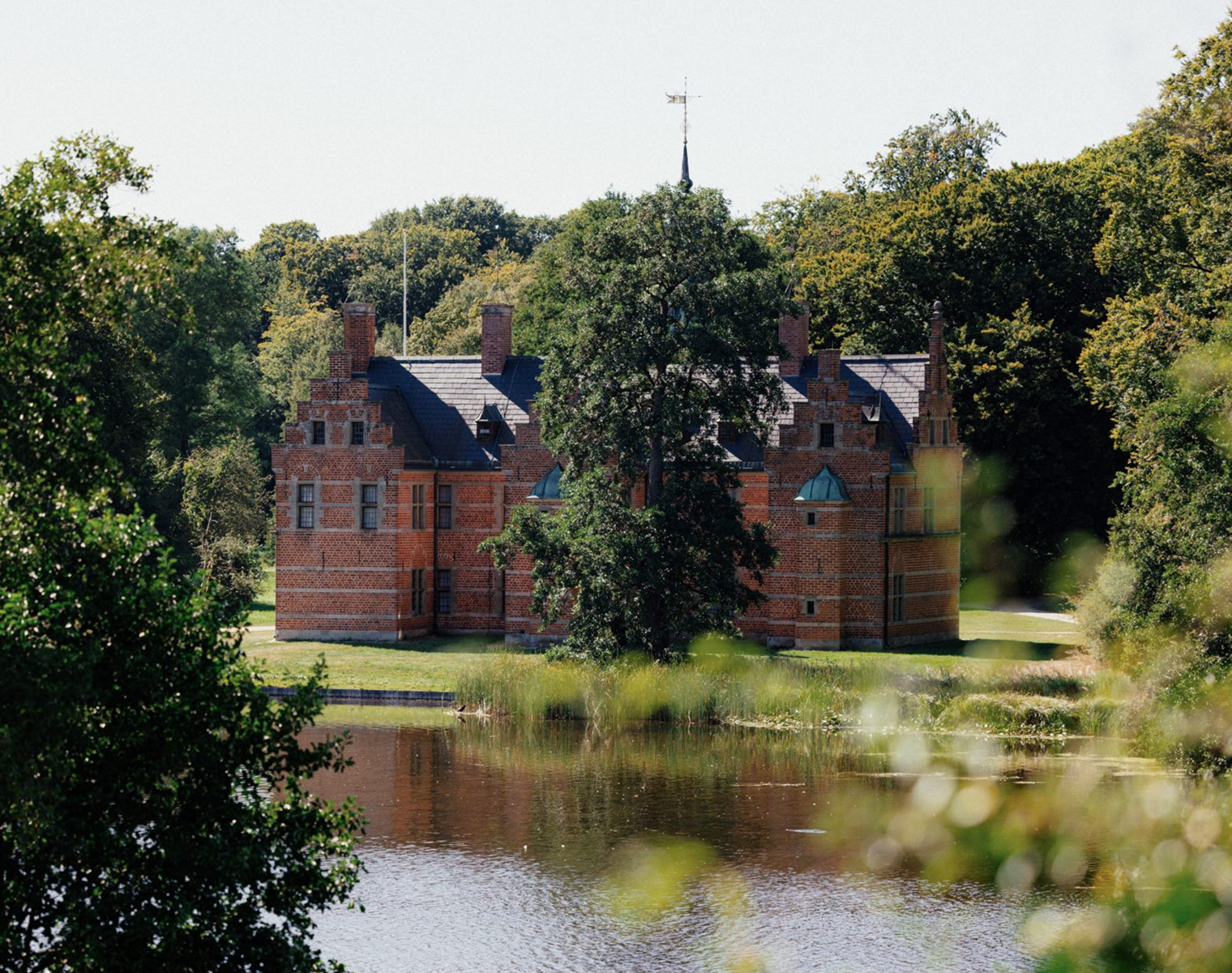
Frederiksborg Castle Gardens: grandeur, geometry and the theatre of water
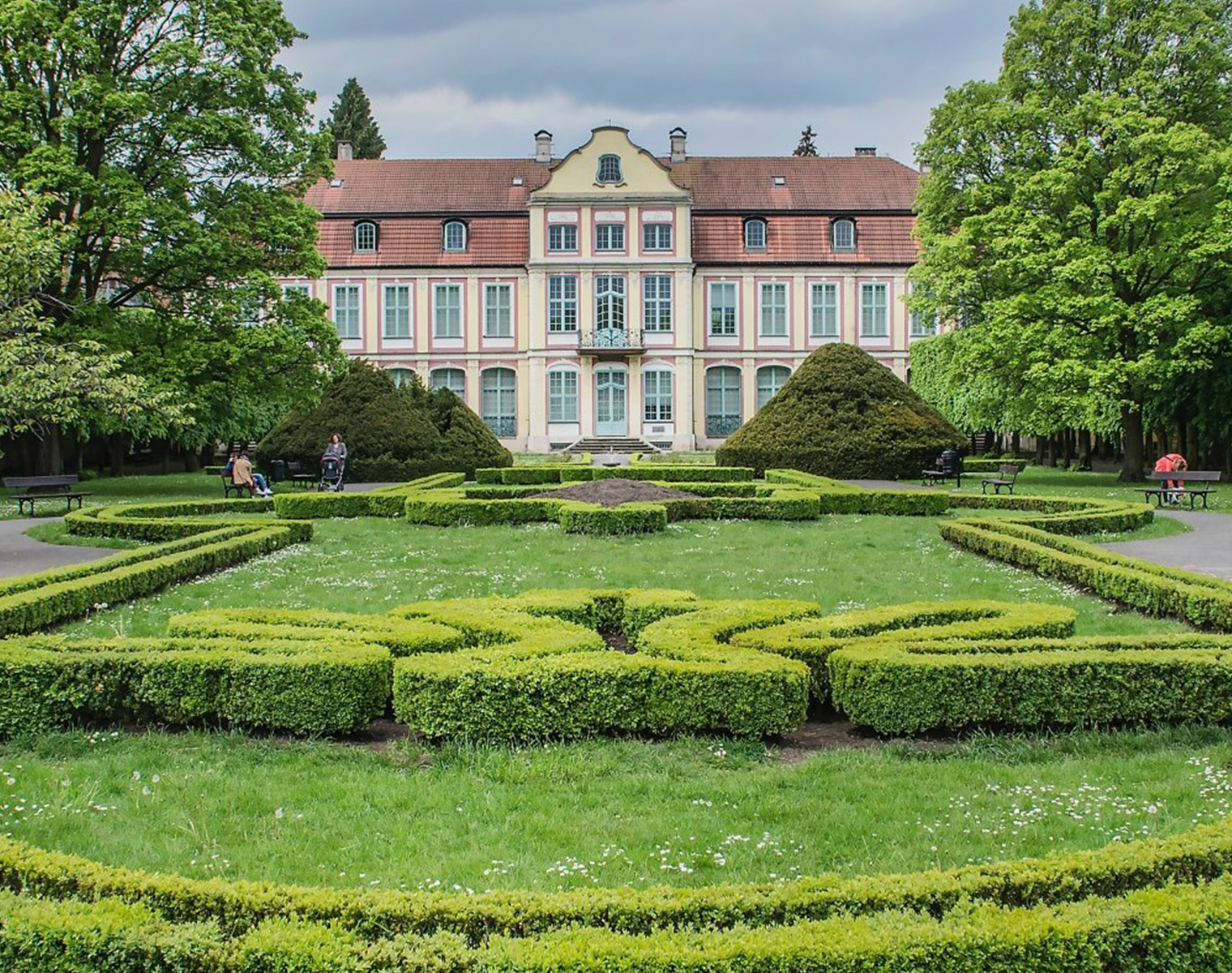
Frederiksborg Castle Gardens are a reminder that gardens have always been about storytelling. Here, the story is told through scale, symmetry and the disciplined drama of formal design. The geometry is confident – axes that pull you forward, clipped forms that create rhythm, and water used as both mirror and punctuation.
Even if formal gardens aren’t your usual taste, Frederiksborg is worth savouring because it teaches you about control. It shows how repetition creates calm, how strong lines can make a space feel both grand and legible, and how a limited palette of shapes can support seasonal planting without ever feeling fussy.
I also love the way these gardens make you think about perspective. Views are framed, distances are managed, and the relationship between building and garden is handled with real intelligence. It’s a place that sharpens your eye – and once your eye is sharpened, you start seeing your own garden differently too.
Eutin Palace and Oliwa’s green enclave: romantic landscapes and glasshouse wonder
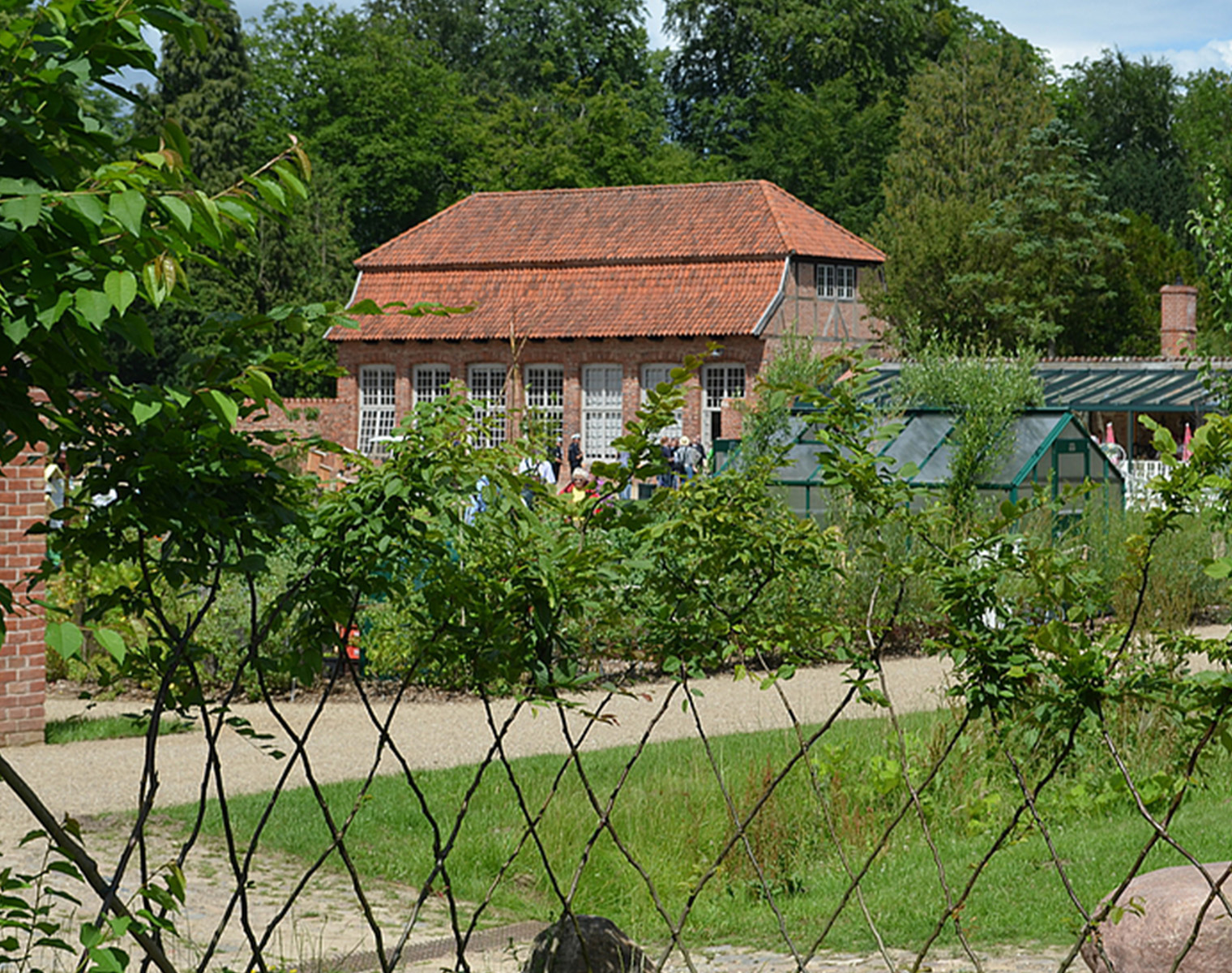
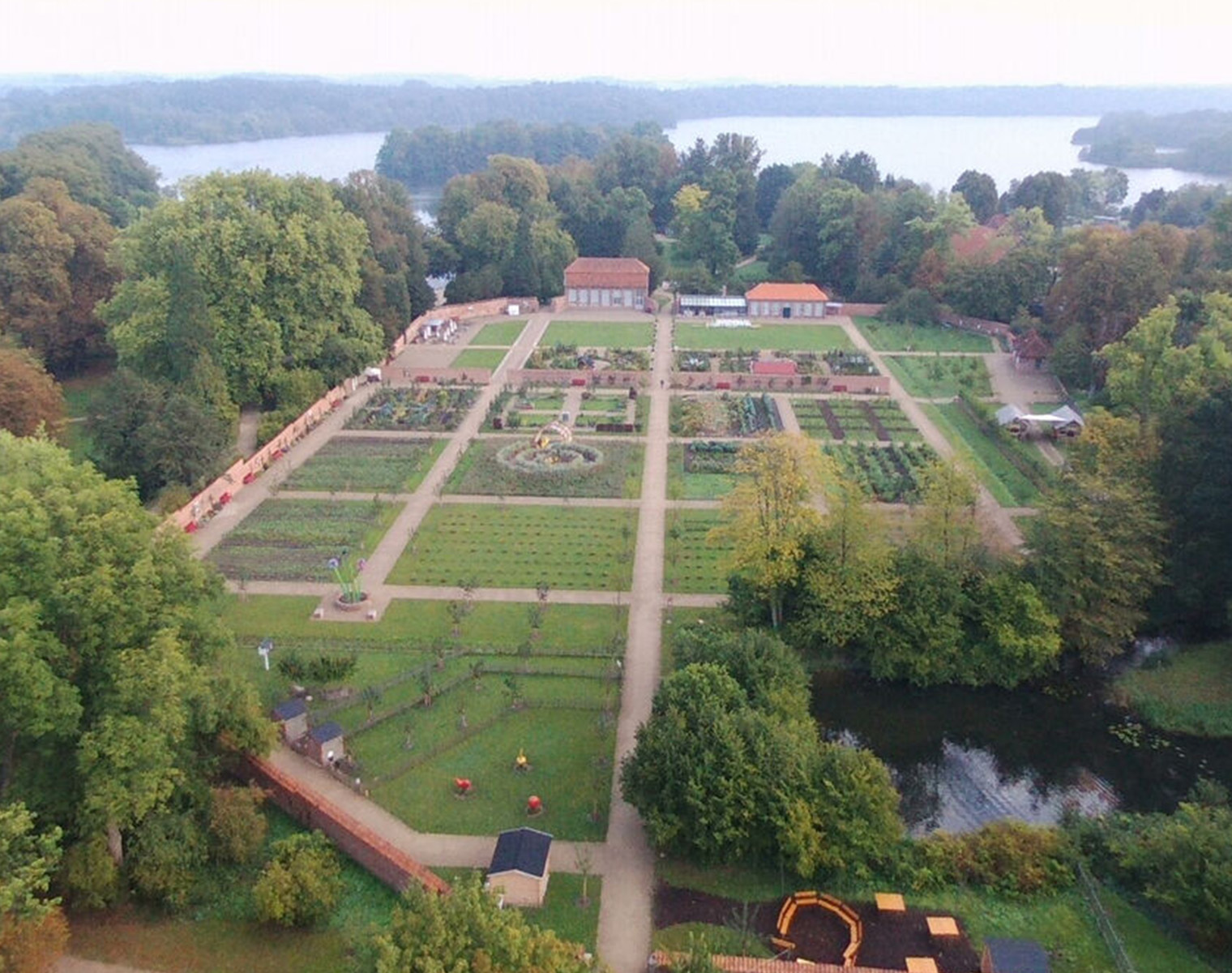
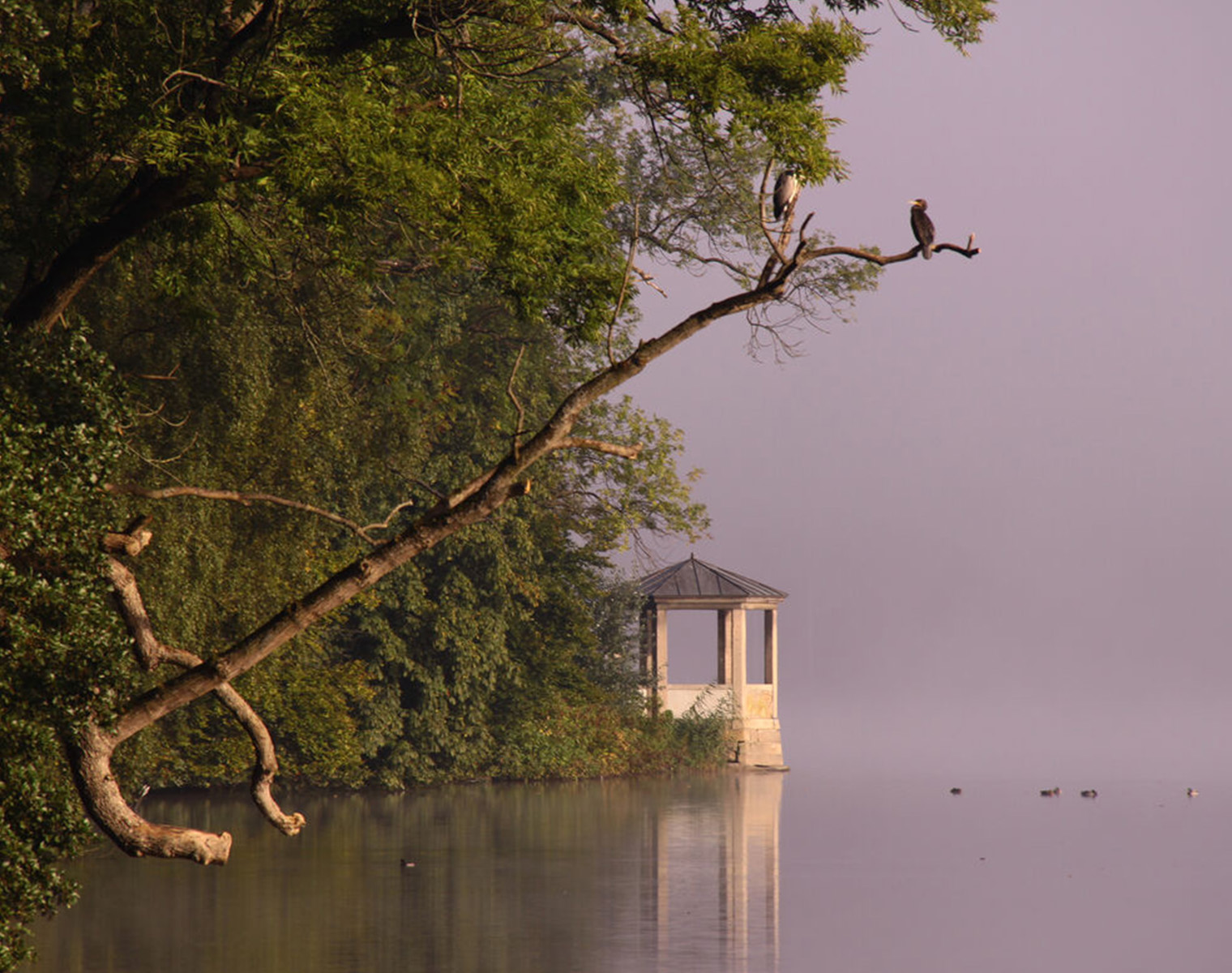
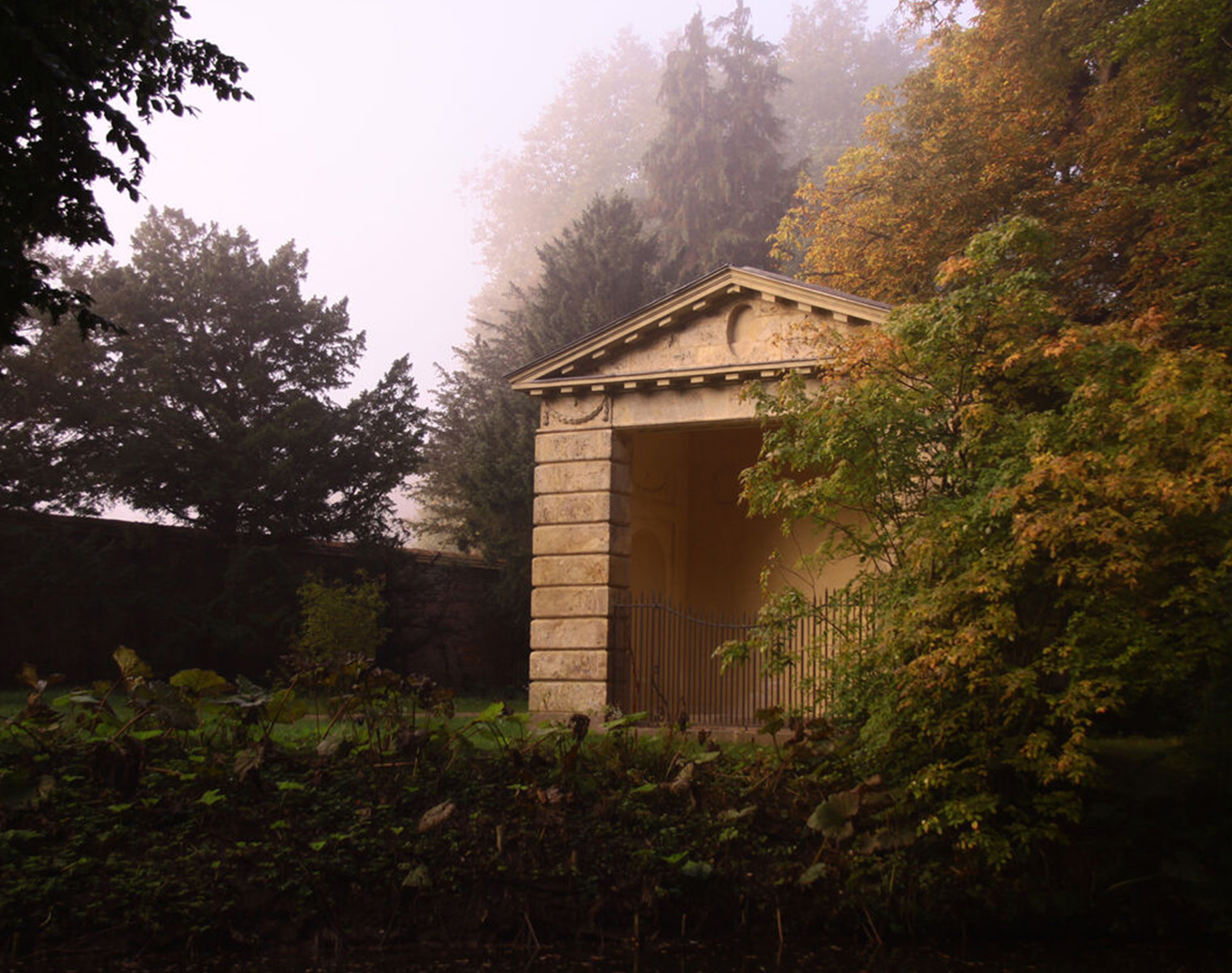
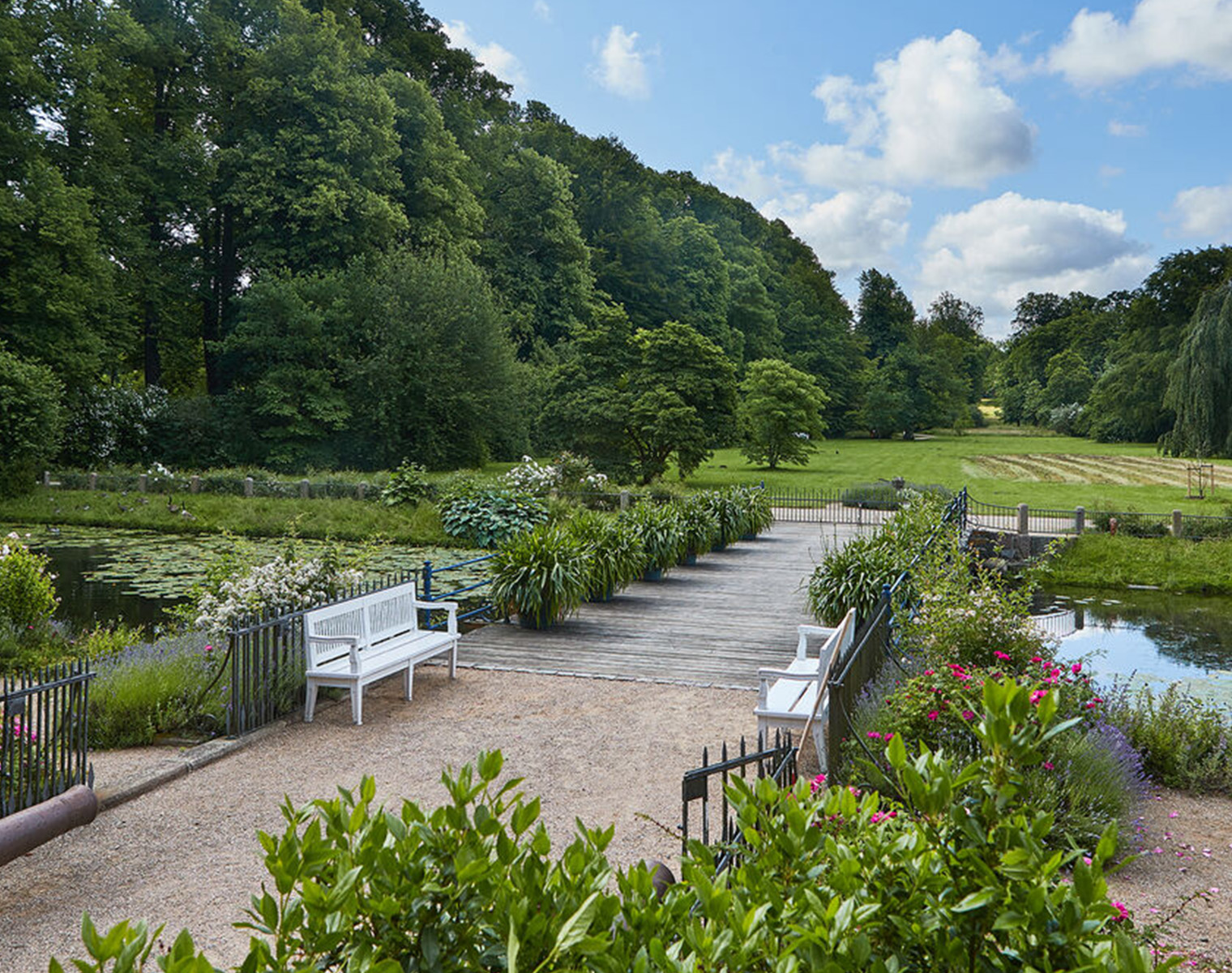
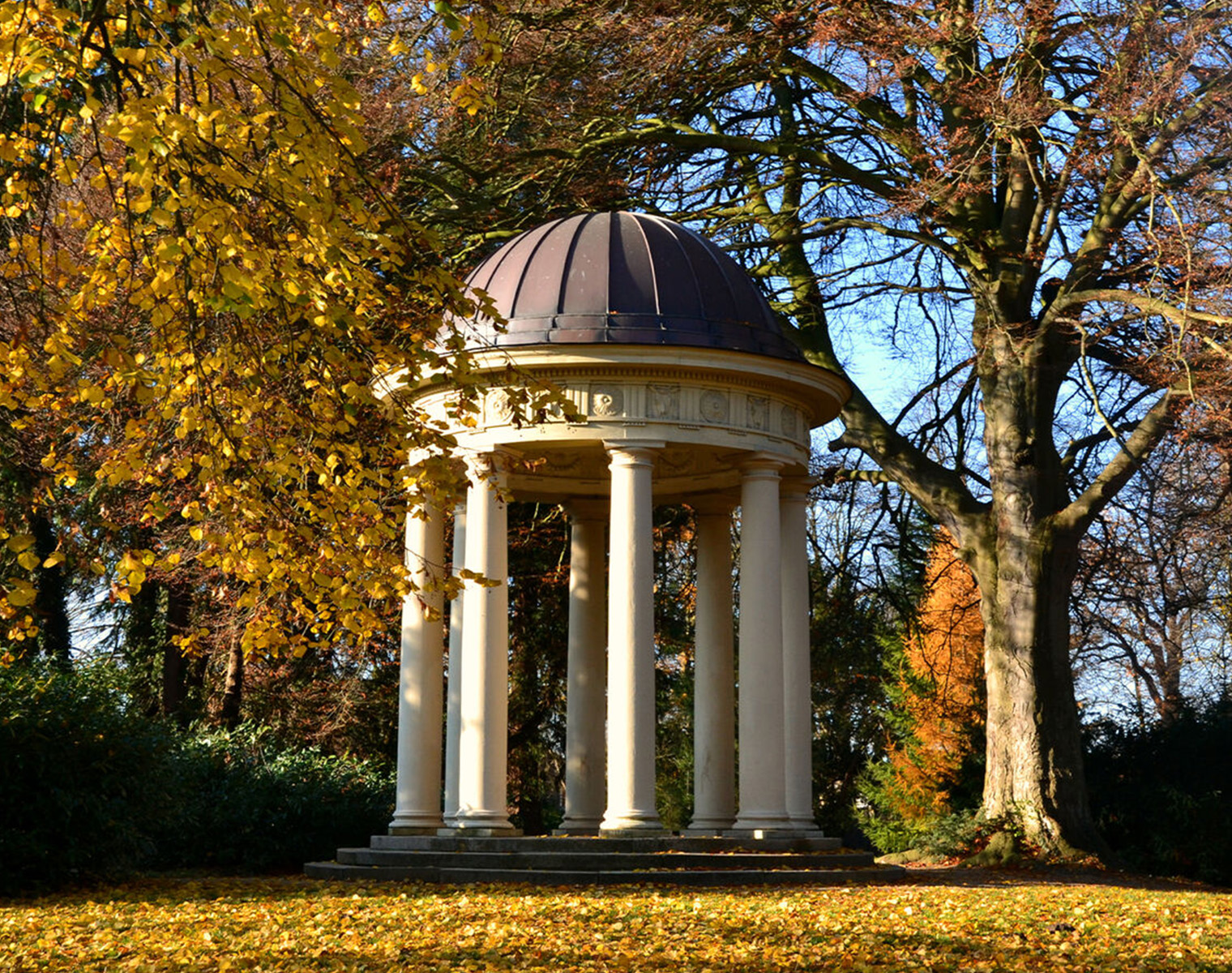
Eutin Palace & Gardens in Germany bring a softer, more romantic register to the tour. After the crisp theatre of formal design, it’s refreshing to step into a landscape that feels more naturalistic – still designed, of course, but with gentler lines and a sense of ease. It’s the kind of garden that invites you to slow your pace, to look at the way trees are placed, and to notice how water and lawn can create a feeling of spaciousness.
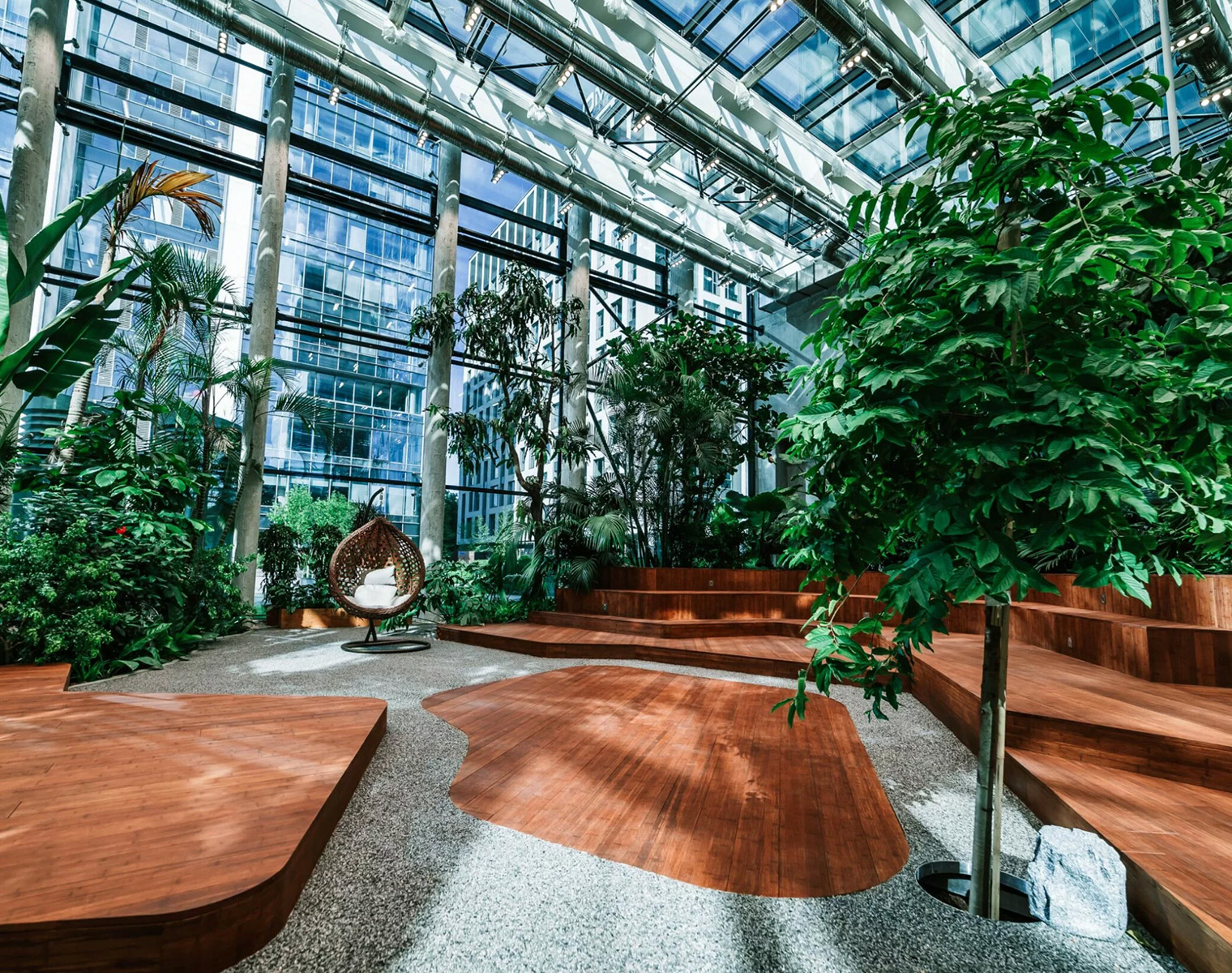
Then, in Gdańsk, Oliwski Park and Olivia Garden offer a brilliant pairing: a green enclave within the city, combining the pleasure of outdoor strolling with the immersive, almost otherworldly experience of a glasshouse garden. Oliwski Park has that classic “park as refuge” feeling with calm paths, mature planting, and a sense of being held by greenery.
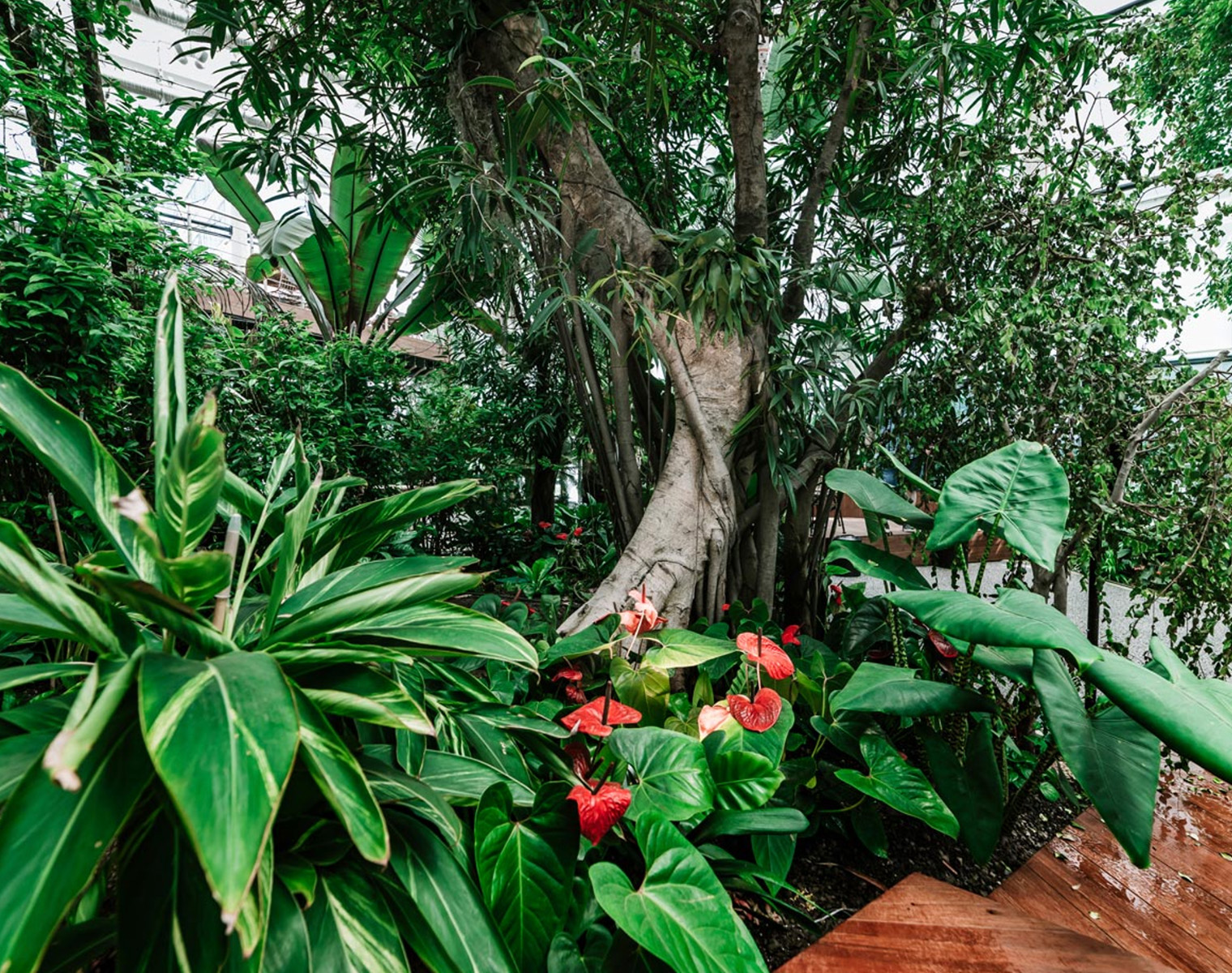
Olivia Garden adds the tropical twist: warmth, humidity, and lush planting that feels like stepping into a different climate entirely. It’s a wonderful reminder that gardening isn’t only about what grows outdoors in your own conditions; it’s also about atmosphere, texture, and the emotional lift you get from being surrounded by plants.
By the end of the cruise, you’ll carry home is a layered kind of inspiration: the bold confidence of formal design, the calm intelligence of Scandinavian planting, the romance of palace landscapes, and the sheer joy of a glasshouse oasis. Add in the on-board talks, the shared enthusiasm of fellow gardeners, and the restorative rhythm of life at sea, and you have a holiday that feeds the imagination as much as it relaxes the body.