
The Garden Route of South Africa September 2026
David’s tour highlight…
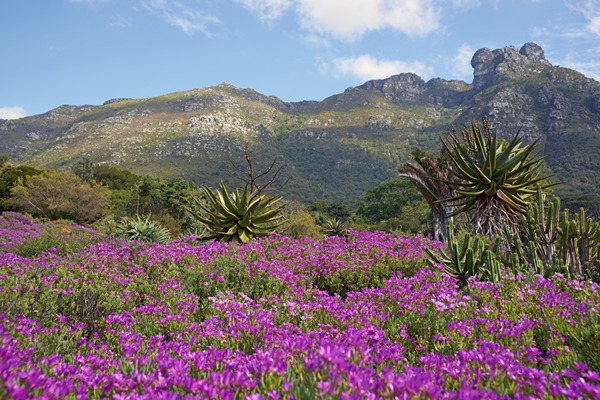
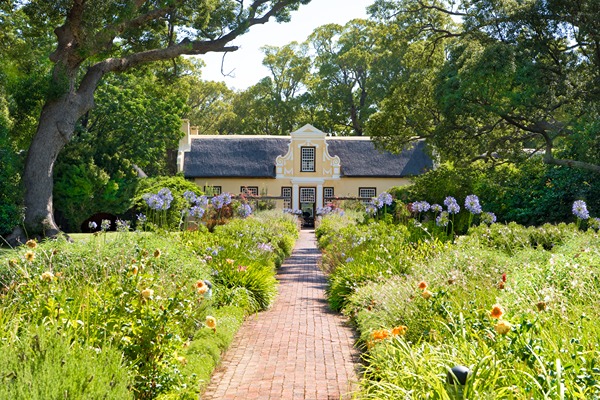
“Kirstenbosch is unique because it showcases the Cape Floral Kingdom in a setting of extraordinary natural drama, backed by Table Mountain. It isn’t a botanic garden imposed on the landscape; it feels grown from it, celebrating indigenous plants in naturalistic displays. The garden blends conservation, design and education, with world-class collections and unforgettable views.”
South Africa’s Garden Route has a way of resetting your senses. One minute you’re breathing salt air off the coast, the next you’re in mountain-backed valleys where the light feels sharper and the colours more intense. As your tour leader, I love watching gardeners realise that this isn’t a “garden” route in the neat, clipped sense. It’s a living, breathing mosaic of wild flora, dramatic habitats and wildlife encounters, stitched together by extraordinary scenery and a climate that encourages plants to grow with real conviction.
What makes this tour so special is the variety. We move through distinct botanical worlds – the ‘fine-leaved’ fynbos, uniquely adapted coastal flora, the succulents of the Little Karoo, the lofty giants of the Tsitsikamma forest and the fleetingly glorious west coast flora. Each has its own character, its own palette, and its own design lessons for anyone who gardens at home: how plants cope with drought, wind, poor soils, fire, or shade; how communities of plants work together; and how beauty often comes from resilience.
Fynbos and the Cape Floral Kingdom: small plants, big drama
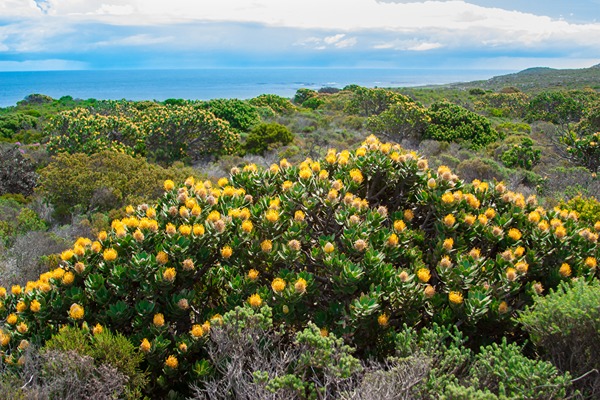
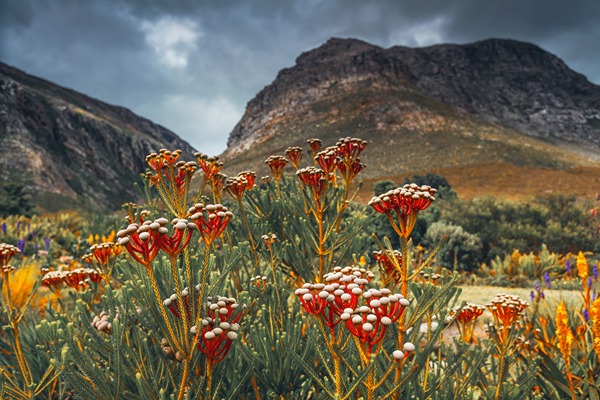
Fynbos is one of the great botanical wonders of the world, and it’s hard not to fall for it. At first glance it can look understated – fine textures, twiggy shrubs, silvery foliage – until you start to notice the detail. Then it becomes completely addictive. This is the heart of the Cape Floral Kingdom, where plant diversity is astonishing and endemism is the rule rather than the exception.
For gardeners, fynbos is a masterclass in adaptation. Many plants have evolved to cope with nutrient-poor soils, dry summers and periodic fire. You’ll see how form and texture do as much work as colour: needle-like leaves, sculptural seed heads, and plants that hold their shape beautifully even when not in flower. And when they do flower, it’s often spectacular – proteas with their architectural blooms, ericas with jewel-like bells, and a whole supporting cast of daisies, bulbs and restios.
I always encourage guests to look at fynbos the way a designer would: as a tapestry of repeated shapes and tones. It’s not about one star plant; it’s about communities – plants that belong together because they’ve evolved together.
Coastal flora: salt, wind and the beauty of tough plants
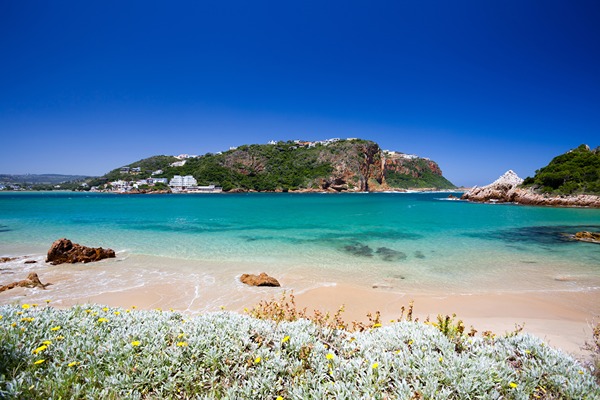
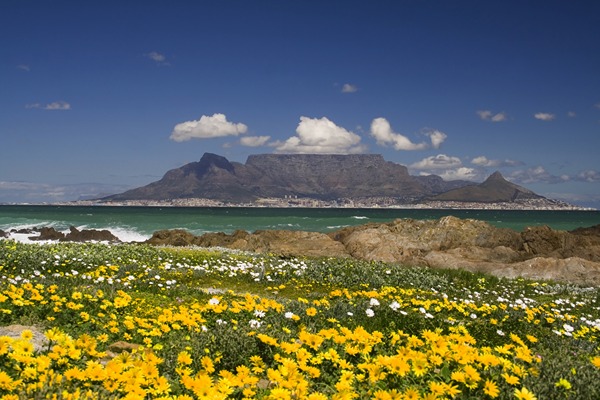
The coast brings a different kind of planting story – one written by salt spray, bright light and wind. Coastal flora has a particular freshness to it: plants that hug the ground, foliage that’s often leathery or grey-green, and flowers that seem to glow against sand and rock.
There’s also a wonderful clarity to coastal landscapes. The horizon is wide, the light is clean, and the planting tends to be rhythmic rather than fussy. You start to notice how repetition creates calm: drifts of the same species, low mats of groundcover, and pockets of colour that appear like punctuation marks.
For anyone who gardens in exposed or seaside conditions back home, this is where the practical inspiration really lands. You see plants coping with stress and still looking good – proof that a garden doesn’t have to be pampered to be beautiful. It’s about choosing the right plant for the right place, then letting it do what it’s built to do.
The Little Karoo: dry landscapes, big skies and surprising colour
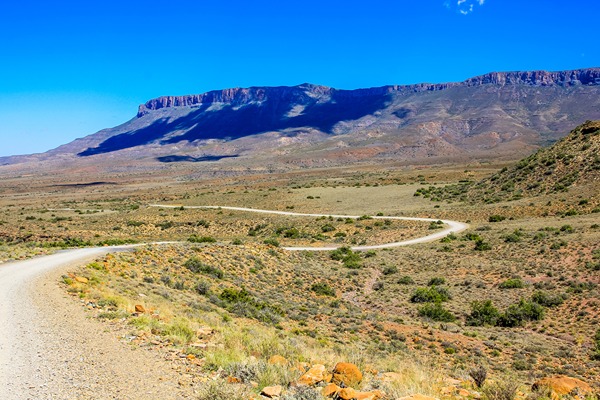
The Little Karoo is where the landscape opens out and the sense of space becomes part of the experience. It’s drier, often hotter, and the planting shifts accordingly – more succulents, more drought-adapted shrubs, and a different rhythm to the vegetation.
What I love about the Little Karoo is the element of surprise. In a dry landscape, you expect restraint, but you often find bursts of colour and extraordinary plant forms. Succulents can be sculptural in a way that rivals any designed garden, and the way plants sit in the land – spaced, purposeful, unforced – feels like a lesson in confidence.
This is also a place where you start thinking about water differently. You see how plants store it, conserve it, or avoid losing it. And you come away with ideas that translate beautifully into modern gardening: gravel gardens, drought-tolerant planting, and the power of negative space.
Tsitsikamma forest and wildlife: deep greens, ancient trees and living ecosystems
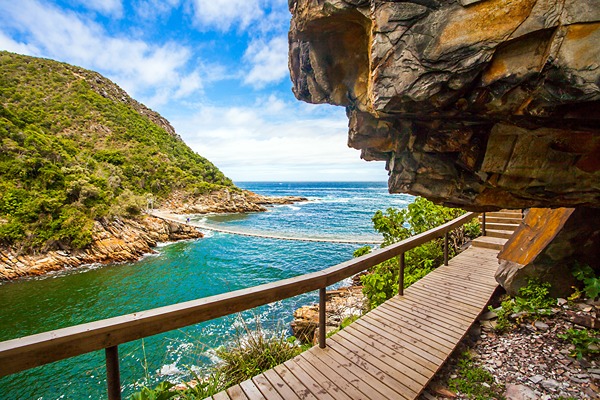
Then comes Tsitsikamma, and everything changes again. After the brightness and openness of coast and Karoo, the forest feels like stepping into a different world – cooler, darker, and richly layered. The greens are deeper, the air is damp, and the soundscape shifts to birdsong and the hush of leaves.
Tsitsikamma forest is a reminder that “garden” can mean ecosystem. Here, the drama is in the vertical structure: towering trees, understory shrubs, ferns, mosses, and the constant interplay of light and shade. It’s a place that makes you think about woodland gardening in a new way – how to create depth, how to use texture, and how to make shade feel luxurious rather than limiting.
West Coast wildflowers: a seasonal spectacle of colour and abundance
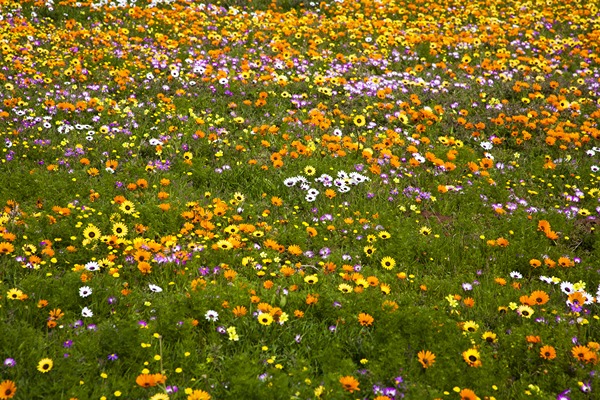
If you’ve ever seen photographs of the West Coast in wildflower season, you’ll know the feeling: disbelief that nature can produce colour on that scale. The West Coast flora is famous for its spring displays, when carpets of daisies and other annuals transform the landscape into something that looks almost painted.
What makes it so thrilling is the contrast. Much of the year, these areas can look quiet and sparse, but when conditions align – rainfall, temperature, timing – the whole system responds. It’s a reminder that wildflower beauty is often episodic, dependent on weather patterns and ecological rhythms.
For gardeners, it’s also a lesson in how to use mass planting for impact. In our own gardens we often scatter colour; the West Coast shows the power of drifts, repetition and bold blocks. It’s exuberant, yes, but it’s also coherent – colour used at scale, with the landscape as the canvas.
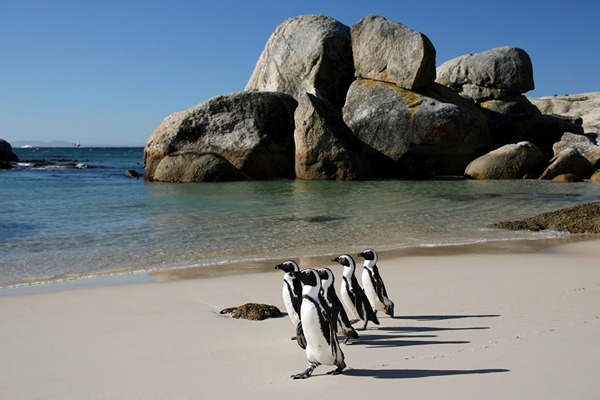
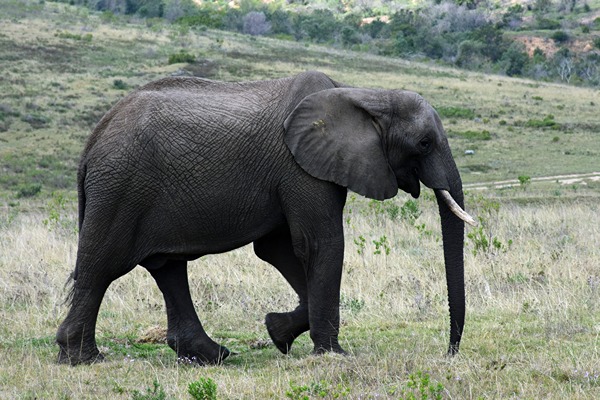
And of course, this tour isn’t only about plants. Wildlife is part of the story throughout – because habitats and flora shape what animals can thrive. Whether it’s spotting birds, noticing pollinators working wildflowers, or simply seeing how landscapes support life, the experience feels wonderfully whole.
By the end of the Garden Route tour, you’ll return home with your senses sharpened: a clearer eye for plant communities, a deeper appreciation of resilient beauty, and a notebook full of ideas – about drought-tolerant design, coastal planting, woodland texture, and the sheer joy of wildflowers at scale. South Africa doesn’t just show you plants; it shows you how landscapes work – and that’s the kind of inspiration that stays with you for life.