
Are alstoemerias good garden plants?
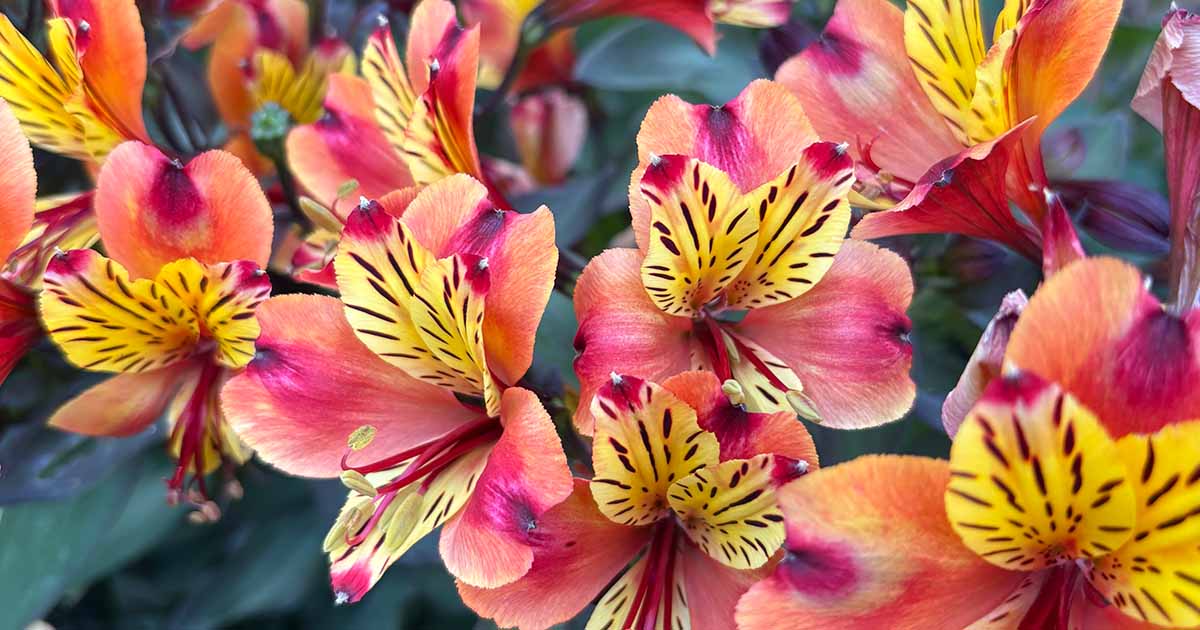
Although we see them regularly in bouquets of cut flowers, alstroemerias also make good garden plants. Also known as Peruvian lilies or lily of the Incas, they’ve not been widely grown in UK gardens, but have quietly earned a place as rewarding and versatile plants, particularly in the face of our changing climate.
Renowned for their dazzling array of colours, long-lasting blooms, and impressive resilience, these perennials offer a brilliant display from early summer right through to the first frosts. Whether you’re a seasoned gardener or just starting out, alstroemeria is a plant that delivers a wealth of benefits with surprisingly little fuss.
Where do alstroemerias come from?
Alstroemeria was first introduced to Europe in the mid-18th century. The plant is native to South America, particularly regions of Chile and Brazil. It was brought to Europe by Swedish botanist Carl Linnaeus, who named the genus after his friend Clas Alströmer, a Swedish baron and botanist. The earliest recorded cultivation in European gardens dates to around the 1750s, following Linnaeus’s formal description of the genus in 1762.
Since its introduction, different alstroemeria species have been bred together extensively, resulting in the wide range of colours and forms we enjoy in gardens today.
Can I grow alstroemeria in the garden?
Most modern alstroemeria varieties are hardy in the UK, especially those bred for garden use. Hardy types, often derived from Chilean species, can survive typical British winters – especially if planted in well-drained soil, in a sheltered position and given a protective mulch of bark in colder regions. In milder areas, they usually come through winter without trouble and return reliably each year.
Alstroemeria thrive outdoors in the UK when given the right conditions. They perform best in full sun, but will also tolerate light, dappled shade—especially in hotter areas. For best results give them a fertile, well-drained soil, but not one that has been over-fed or manured. Heavy clay or waterlogged ground can cause root rot, so improve drainage with compost or grit if needed.
New plants are best put in during late March or April. If planted in the late summer or autumn, they can readily disappear without a trace! Keep the soil moist in the first season, especially while plants are getting established, but avoid overwatering. Once settled, they’re fairly drought tolerant and as long as the soil is regularly mulched with good garden compost they won’t much in the way of additional fertilisers.
Why are alstroemerias such good garden plants?
What sets alstroemeria apart is its sheer abundance of colour and flower power. The trumpet-shaped blooms appear in clusters atop sturdy, leafy stems, creating a lush, almost tropical effect. Available in shades from vivid orange, red, and pink to soft lavender, creamy yellow, and pure white, there’s an alstroemeria to suit every planting scheme. Their unique, speckled petals add an exotic touch, brightening borders, containers, and cutting gardens alike.
One of the key reasons gardeners adore alstroemeria is their exceptional flowering period. While many perennials offer just a few weeks of glory, alstroemeria can bloom continuously for up to six months. This makes them invaluable for keeping the garden looking vibrant and full of life, especially during the height of summer when other plants may be flagging. With a little deadheading, you can enjoy fresh flowers from late May or early June all the way into October, but don’t resort to cutting back the stems with secateurs!
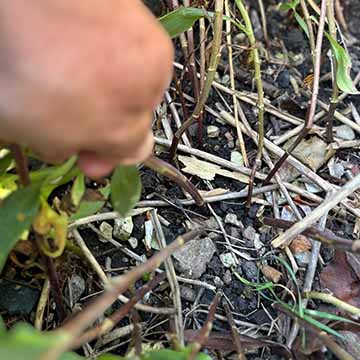
Instead, grasp the faded flower stems close to the base, where they come out of the ground, and pull. This will remove the base of the stalk which if left in the crown of the plant can cause it to rot. Follow the same advice when harvesting stems to enjoy indoors. The plant will respond to such treatment by producing a fresh crop of flowering shoots from the clump.
Alstroemeria are famed for their longevity as cut flowers. Their blooms can last up to two weeks in a vase, making them a florist’s favourite and a wonderful addition to homegrown bouquets. Their strong stems and striking colours guarantee they’ll be the star of any arrangement.
What are the best alstroemerias for the garden?
There are masses of cultivars available, courtesy of the cut-flower industry. However, it is quite random as to which of these might be taken up by UK nurseries to sell as border plants. Personally I prefer the taller growing varieties, which can grow up to 120cm (4ft) in height. Breeders have also produced a range of short, compact varieties for gardens, which wouldn’t obviously be suitable for the cut flower trade.
Back when I was a student at college (40 years ago! Yes I know!), there was only really only one type of alstroemeria offered for sale for gardens. These were the Alstroemeria ‘Ligtu Hybrids’, generally in shades of orange, apricot and pink, with smaller blooms that today’s hybrids. They’re still available and although they don’t have a very long flowering season, I love them for their elegance and more ‘species-like’ appearance.
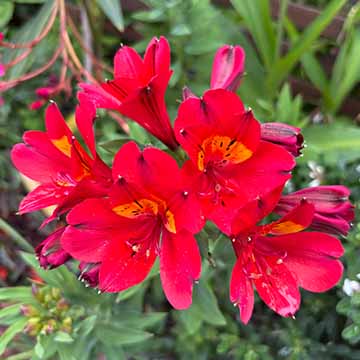
Now, it seems, there’s an alstroemeria for every garden style. Of these Alstroemeria ‘Indian Summer’ has become really popular due to its striking orange blooms held, more or less uniquely, above deep bronze foliage. I grow it and can vouch for its long flowering season and spectacular display. But this year I’ve been enjoying A. ‘Summer Pepper’, a bright carmine-red form with green leaves which I bought last year from H. W. Hyde and Son Nurseries at one of the flower shows. They sell quite a number of other varieties in different colours and sizes.
Another good one to my mind is A. ‘Summer Breeze’ which has paler orange blooms than ‘Indian Summer’ and green/bronze variegated foliage when grown in full sun. But really it’s a matter of choosing varieties that catch your eye. As well as Hydes, you’ll find good selections to buy on-line at Hayloft Plants and Alstroemeria Select, although you’ll only usually find them offered for sale in the spring.
What problems do alstroemeria suffer from?
Although generally trouble free if grown in a sunny open position in decent soil, alstroemerias can suffer from a few problems. Young shoots can be tempting for slugs and snails, especially in spring. Barriers of crushed shells or sheep’s wool, placed to encircle the stems can help. In addition avoid evening watering as this can make slug and snail movements easier. Aphids can be a short-lived problem, but usually blue tits and their relatives will find them and hoover them up. The small sap-sucking insects can also be blasted off the stems with a strong jet of water or a gentle wipe with soapy water.
As for diseases, grey mould or botrytis can rear its ugly head in damp or overcrowded conditions, causing stems and flowers to rot. Ensure good air circulation growing plants with a little space between them, avoid overhead watering and remove any affected parts of the plant promptly.

Share This Story!


When should I prune my roses?
Pruning roses is one of those rituals in the British gardening calendar that can feel both exhilarating and nerve‑wracking. You’re standing in the garden in late winter, secateurs in hand, looking at a plant .....

Why have my dahlias stopped flowering?
By midsummer, dahlias should be starting to pump out the blooms, but I'm often asked why these normally reliable plants have stopped flowering in some people's gardens. It can even be the case that .....
When should I prune my roses?
Pruning roses is one of those rituals in the British gardening calendar that can feel both exhilarating and nerve‑wracking. You’re standing in the garden in late winter, secateurs in hand, looking at a plant .....
How do I summer prune wisteria?
There’s something utterly enchanting about wisteria in full bloom, but the problem for many gardeners can be how to prune it. Wisteria is a vigorous grower, and left unchecked, it can quickly become a .....
Why have my dahlias stopped flowering?
By midsummer, dahlias should be starting to pump out the blooms, but I'm often asked why these normally reliable plants have stopped flowering in some people's gardens. It can even be the case that .....
What are the sticky bumps on the stems and leaves of my plant?
It can be worrying when you come across something unusual in the undergrowth, especially when it takes the form of usual bumps on stems of plants and distinctly sticky leaves! While the first inclination .....