
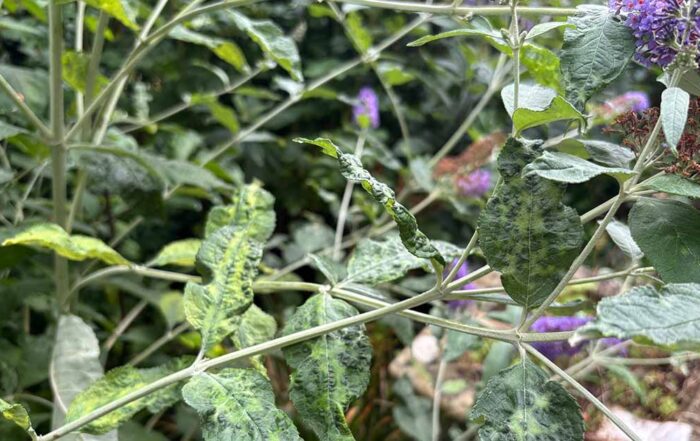
What are the sticky bumps on the stems and leaves of my plant?

It can be worrying when you come across something unusual in the undergrowth, especially when it takes the form of usual bumps on stems of plants and distinctly sticky leaves! While the first inclination might be to panic that your plant is going to die, it needn’t be such a dire prognosis.
Diagnosing the problem, as always, is fundamental in coming up with treatment to at least control, if not to solve the problem. And while it is easy to feel that you and your plants are the innocent victims of an attack, the occurrence of a pest or disease can often be attributed to the actions of the gardener. Too much nutrition in the form of fertiliser or ‘plant food’ can make plants more vulnerable to attack in the first place, or increase the severity of the infestation.
Sticky leaves usually indicate the presence of an insect pest, sucking sap from the plant which is then excreted in the form of ‘honeydew’. An often overlooked pest of many types of plant, that can typically take the form of ‘bumps’ on the stems and leaves together with ‘stickiness’, is the scale insect.
What is scale insect?
Scale insects are a common but easily missed pest in UK gardens and greenhouses – that is until they reach epidemic proportions. These tiny, sap-sucking creatures can cause significant damage to a wide range of plants, from treasured houseplants and conservatory specimens to prized shrubs and trees outdoors. Understanding how to identify scale, why infestations occur, and how to control them is key to keeping your plants healthy and thriving.
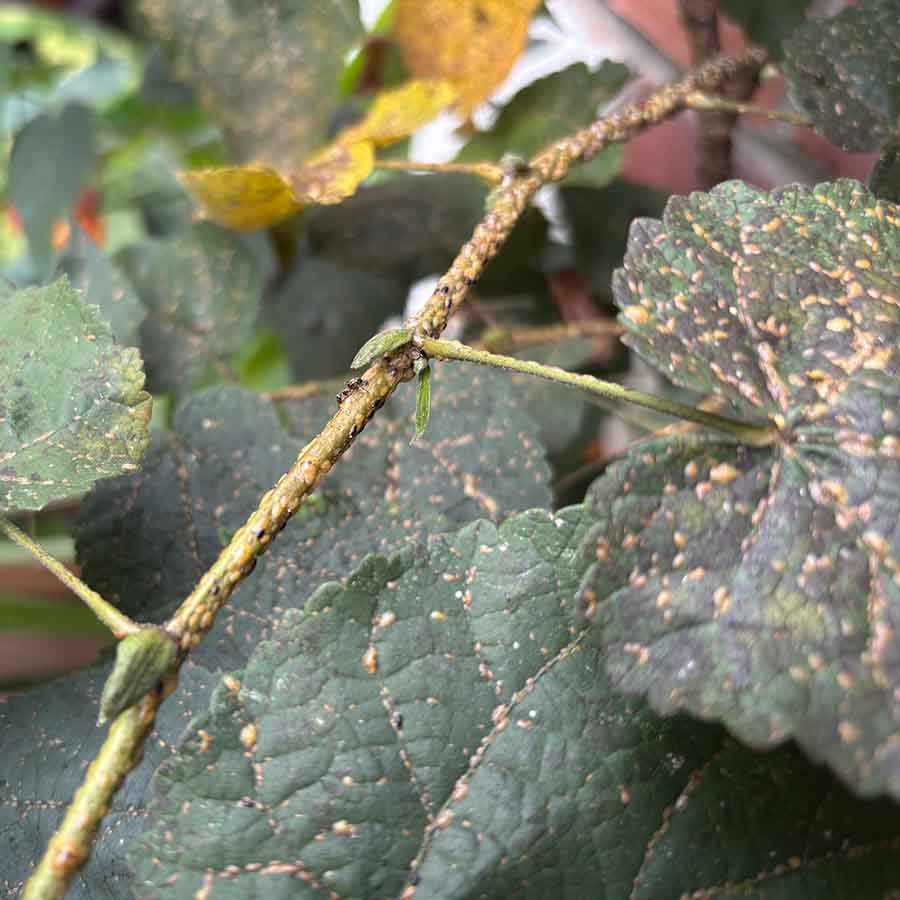
Scale insects are small, immobile pests that attach themselves to stems, leaves, and sometimes fruit. They’re named for the hard or waxy shell-like covering that protects their soft bodies. Depending on the species, scales may appear as tiny bumps, discs, or oval shells, ranging in colour from brown, tan, and grey to white or even pinkish. Most are just a few millimetres across, making them easy to mistake for part of the plant.
The most common way to spot scale is by carefully inspecting stems and the undersides of leaves. Scales cluster in groups, often looking like irregular, crusty or waxy patches. Some species, such as soft scale, can also appear shiny and translucent.
How can I spot the symptoms of scale insect?
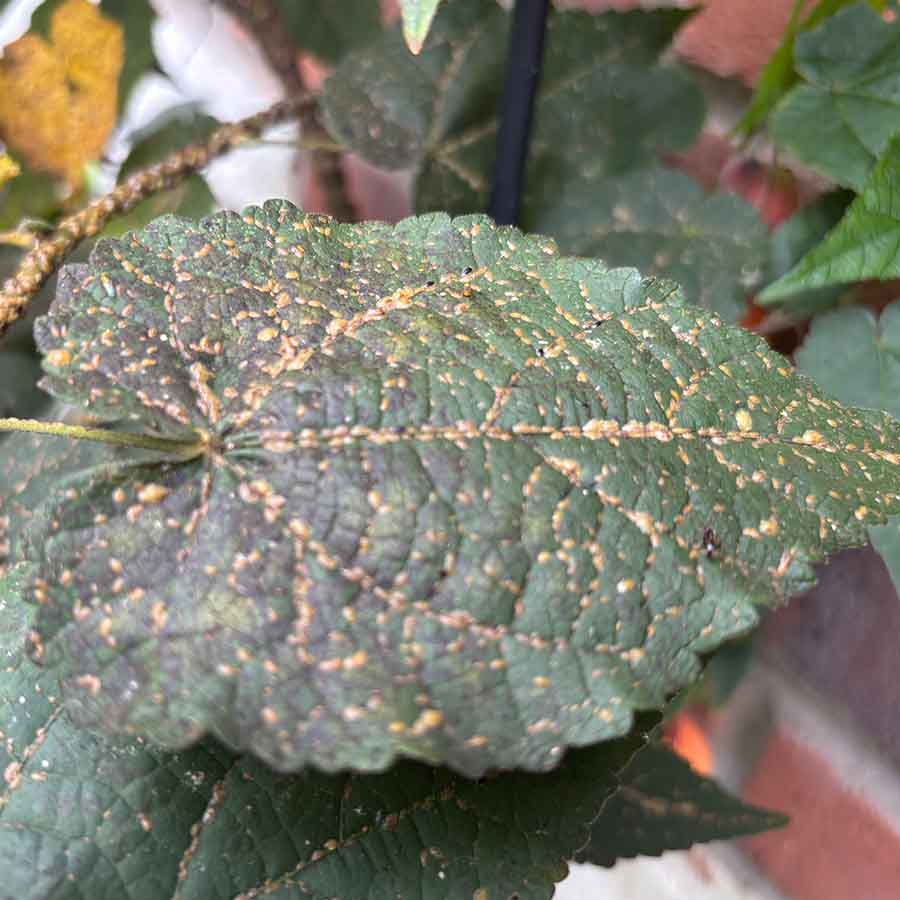
One of the tell-tale signs of a scale infestation is the presence of sticky residue on leaves, stems, or surfaces beneath the plant. This is honeydew – a sugary liquid excreted by the insects as they feed on plant sap. Honeydew not only makes plants look unsightly but also creates ideal conditions for sooty mould, a black fungus that can coat leaves and further reduce photosynthesis.
Scale insects feed by inserting their mouthparts into plant tissues and withdrawing sap. This constant drain can have several negative effects:
• Reduced vigour: Plants lose nutrients and energy, leading to poor growth, yellowing leaves, and a general decline in health.
• Leaf Drop: Heavy infestations can cause leaves to wilt or turn yellow and fall prematurely.
• Sooty Mould: The sugary honeydew supports the growth of sooty mould, which blocks light and reduces the plant’s ability to photosynthesise (make their own food from sunlight).
While established outdoor plants may tolerate minor infestations, serious or prolonged attacks – especially under glass – can weaken and eventually kill plants, particularly young or stressed specimens.
Which growing conditions encourage scale insects?
Greenhouses and conservatories provide the perfect environment for scale insects. Warmth, shelter, and an abundance of soft, sappy growth create ideal breeding conditions. Lack of natural predators indoors means populations can build up quickly, especially if plants are crowded or ventilation is poor. Overwintering under glass also allows scales to survive the colder months, ready to multiply as soon as spring arrives.
While scale is more common under glass, it also affects a wide range of ornamental plants outdoors, especially in sheltered or urban gardens. Mild winters, dense planting, and the absence of natural predators such as ladybirds and parasitic wasps can all encourage outbreaks. Established shrubs, fruit trees, and even climbers can fall victim, particularly if they’re already stressed by drought, poor soil, or physical damage.
Which plants can be affected by scale insect?
There are over 25 species of scale insect recorded in the UK, each with its own preferred hosts. Some, like the cushion scale Pulvinaria, are generalists, which means they are capable of infesting a wide range of shrubs and trees. Others are more selective, targeting specific plant groups, for example, the brown soft scale Coccus hesperidum which is a frequent pest of citrus, bay, and many houseplants.
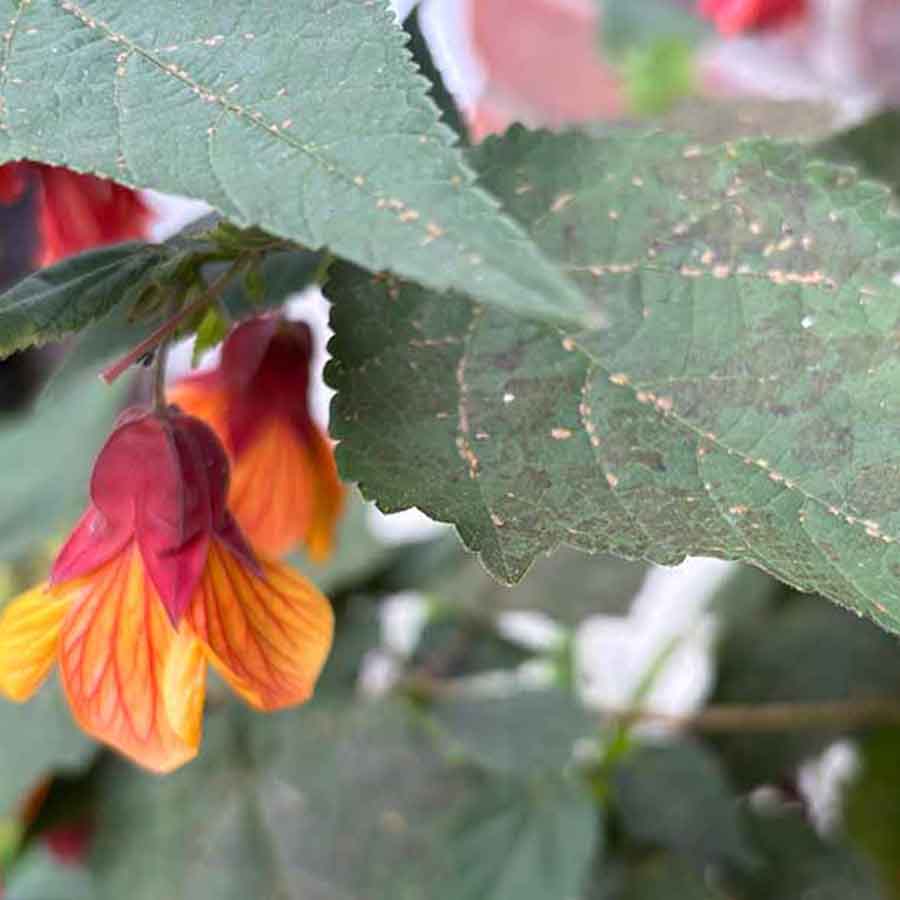
Abutilon, a popular conservatory and patio plant – as seen here in this post in my own garden – is especially prone to attack by the brown soft scale (Coccus hesperidum). This species is common under glass and can quickly colonise the soft stems and undersides of leaves, leading to sticky honeydew, sooty mould, and a general decline in plant health. In hot and dry years it can quickly build up outside in the the UK and any mild parts of Europe.
How can I get rid of scale insect?
While scale insects can be persistent, regular monitoring and a combination of cultural and physical controls will help keep them in check – protecting both your houseplants and your outdoor treasures for seasons to come. The odd scale insect here and there shouldn’t be a problem, particularly outdoors where natural conditions and predators can usually keep them in check. For light infestations, scales can be gently scraped off with a fingernail, cotton bud, or soft brush. Wiping leaves with a damp cloth can also help. Remove and dispose of heavily infested stems or leaves to reduce the population.
One of the most important things you can do is to encourage natural predators of the scale insect. Outdoors, ladybirds, lacewings, and parasitic wasps help keep scale numbers in check. Bearing this in mind, it is best to avoid broad-spectrum insecticides that harm these beneficial insects. Improving plant health will also limit scale infestations. Keep plants well-watered and spaced for good airflow. Basic levels of nutrition are important too, but don’t over-do applications of nitrogen fertiliser as this can make plants soft and more prone to attack. A liquid tomato fertiliser or homemade comfrey feed will have high levels of potash which will help toughen up foliage and make it less palatable to pests and diseases.
Under glass, spraying with a horticultural oil or insecticidal soap can be effective in suffocating scales by blocking their breathing pores. Ensure thorough coverage, especially on the undersides of leaves. Repeat applications may be needed. An alternative is to use the biological control, Steinernema feltiae. These are nematodes which are available from some biological control suppliers, to treat soft scale infestations. As these nematodes may also impact other, non-target organisms, it’s important to apply them carefully and only when there is the specific pest issue to address.
Importantly, it is worth putting new and affected specimens in quarantine to prevent the spread of scale and other pests to previously unaffected plants.
Share This Story!

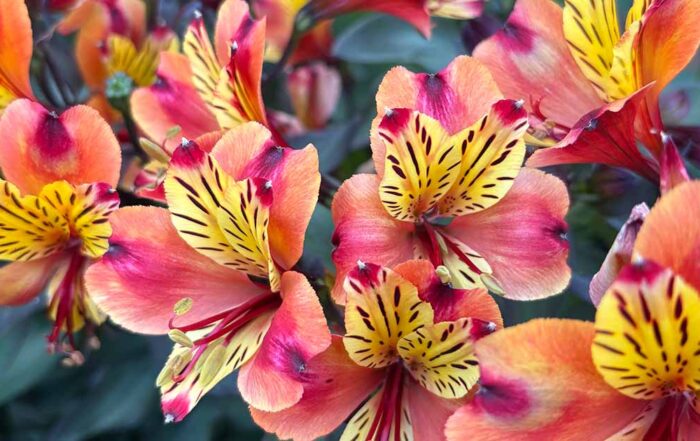
Are alstoemerias good garden plants?
Although we see them regularly in bouquets of cut flowers, alstroemerias also make good garden plants. Also known as Peruvian lilies or lily of the Incas, they've not been widely grown in UK gardens, .....
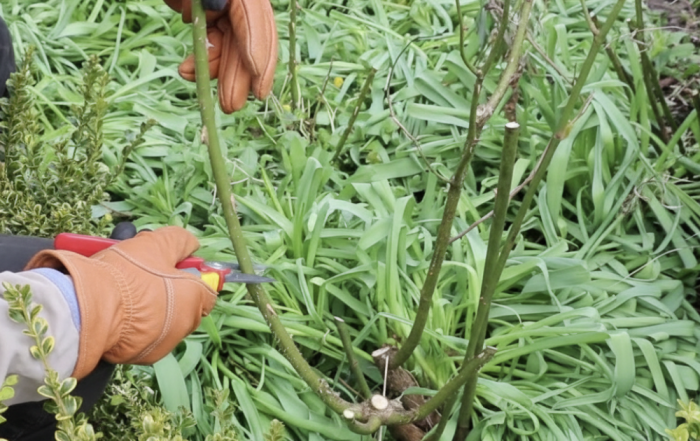
When should I prune my roses?
Pruning roses is one of those rituals in the British gardening calendar that can feel both exhilarating and nerve‑wracking. You’re standing in the garden in late winter, secateurs in hand, looking at a plant .....
Are alstoemerias good garden plants?
Although we see them regularly in bouquets of cut flowers, alstroemerias also make good garden plants. Also known as Peruvian lilies or lily of the Incas, they've not been widely grown in UK gardens, .....

What is the best scented flower for winter?
It's official, I have a passion for daphnes and in my opinion these are the best plants for scented flower in late winter. Don't get me wrong, they're not new to me. But they .....
When should I prune my roses?
Pruning roses is one of those rituals in the British gardening calendar that can feel both exhilarating and nerve‑wracking. You’re standing in the garden in late winter, secateurs in hand, looking at a plant .....
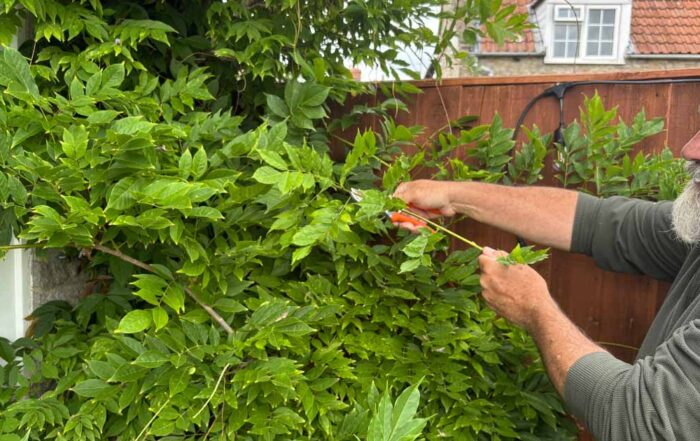
How do I summer prune wisteria?
There’s something utterly enchanting about wisteria in full bloom, but the problem for many gardeners can be how to prune it. Wisteria is a vigorous grower, and left unchecked, it can quickly become a .....