
Planting Ideas
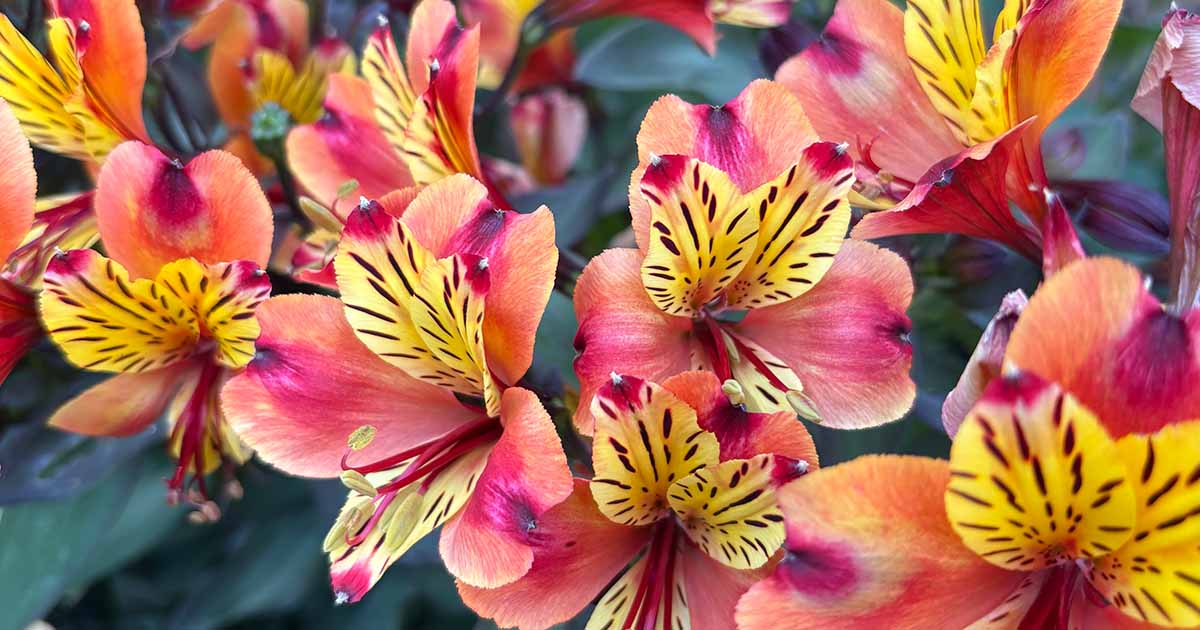
Are alstroemerias good garden plants?
Yes. Most modern alstroemerias are hardy in the UK and make rewarding border plants, flowering from late May or early .....

What is the best scented flower for winter?
Daphnes are among the best shrubs for scented flowers in late winter. Large types such as Daphne bholua, including the readily available 'Jacqueline Postill', can scent the air for many metres on a mild day. Most daphnes are evergreen and long lived, and they do best in a sheltered spot in part or dappled shade.

Purple roseling makes an unusual houseplant
Purple roseling (Callisia warszewicziana) makes a good houseplant in the UK because it copes with a wide range of temperatures. Grow it on or close to a windowsill that gets sun for at least half the day, water regularly in the growing season and reduce or withhold water in winter. It can also stand outside in the summer months.

Coronilla – best for winter scent
Coronilla valentina glauca is one of the best, but least known, winter-flowering shrubs for scent. It is covered in clusters of small, pea-like flowers, usually from October to around March, above evergreen, bluish-green leaves. Grow it in full sun in any good garden soil that is not heavy, wet clay.

Essential anemones for the autumn garden
Japanese anemones are a must for the autumn garden: they are fully hardy, long lived and reliable once established, and their flexible stems stand up to the wind. They grow in sun or part shade and are not fussy about soil, though they won't really thrive on a thin acid sand. Taller forms such as the white Anemone japonica 'Whirlwind' reach up to 1m.

Michaelmas daisies – the perfect plants for autumn
Michaelmas daisies are perfect plants for autumn because they come back stronger year after year, bulk up well and provide a late source of nectar for insects. Their daisy flowers, commonly blue, purple, pink or white, add reliable colour from July right through until late October. Grow them in a sunny spot in a moisture-retentive but free-draining soil.

The best exotic hardy tree for small gardens
Albizia julibrissin, the Persian silk tree, is a tough, drought-resistant hardy tree that suits even small gardens, with mimosa-like foliage and shaving-brush flowers in late summer. Grow it in a sunny spot, in any soil except the wettest, heaviest clay. Start with a small plant about 30-45cm (12-18in) tall rather than a large specimen.

The best plant for butterflies
Asclepias tuberosa, known as butterfly weed or milkweed, is one of the best plants to grow for butterflies, bees and other insects. Its August flowers produce plenty of sugar-rich nectar, a very useful source of energy. Grow it in full sun in open-textured, free-draining soil that doesn't stay waterlogged in winter.

How to grow gladiolus in the garden
Plant gladiolus corms in spring and on into early summer, in batches over 6-10 weeks to extend the flowering season. For borders and containers, the shorter Nanus varieties, mostly 50-70cm tall, are the easiest to use, while tall Grandiflorus types suit cutting plots and need canes. Where winters fall below freezing, lift the corms when the foliage turns yellow and store them dry, dark and frost-free until spring.

Hardy scheffleras for exotic foliage
Hardy scheffleras such as Schefflera taiwaniana and S. rhododendrifolia bring exotic foliage to the garden and are listed by the RHS as surviving cold down to between -5C and -10C, making them suitable for much of lowland UK. Grow young plants on in pots so they can be moved under cover if hard frosts are forecast. Then plant them in moisture-retentive but free-draining soil, ideally under the shelter of trees.