
Pruning
Autumn and winter are when pruning really counts, and when getting it right matters most. Prune well now and you keep plants in good shape, more productive, and protected through the cold. It’s also, unfortunately, where a “quick hack” from the internet most often lets you down, because so much of that advice ignores the three things that actually decide success: our British weather, the time of year, and what each particular plant needs.
That’s the difference reliable advice makes. One badly judged cut can set a favourite plant back a whole season, or let disease in. Follow a source you can trust and your effort is backed by how plants genuinely work, not guesswork.
David has spent more than fifty years growing across a wide range of UK soils and conditions, is trained in horticulture and plant science, and has taught the subject from City & Guilds to degree level at colleges including Writtle, Sparsholt and Kingston Maurward. He was Gardening Editor, then Deputy Editor, and then Associate Editor of BBC Gardeners’ World Magazine, and judges for the RHS, including at the Chelsea Flower Show. The reason that matters is simple: the advice here explains how plants actually work, so you understand why a method succeeds, not just what to do, and can get it right in your own garden.
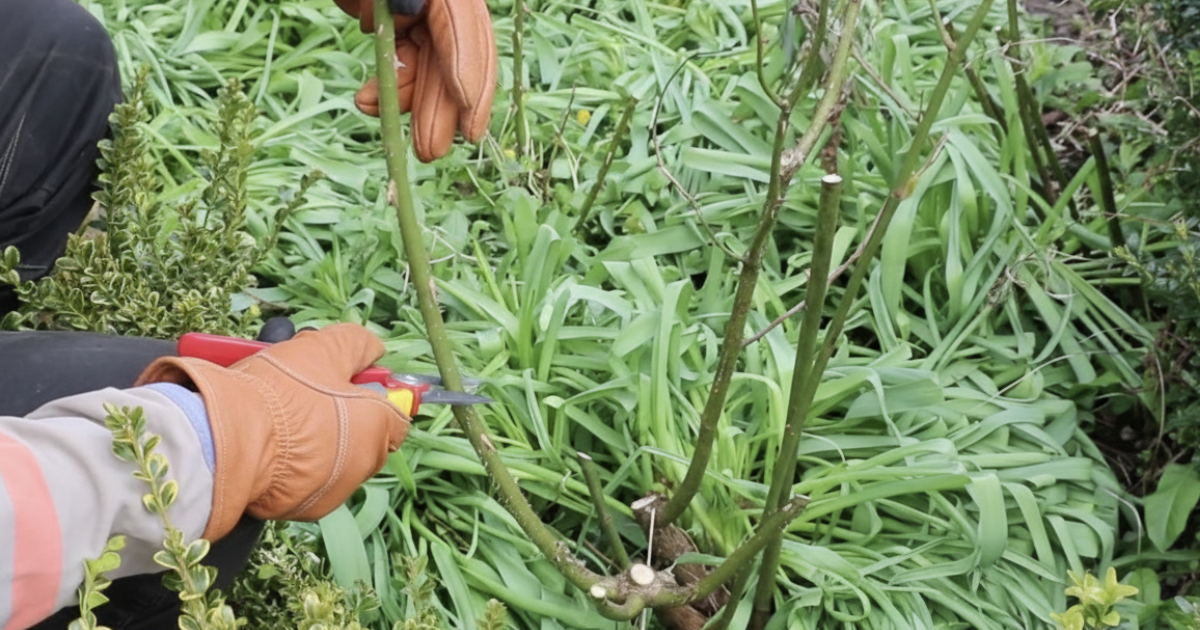
When should I prune my roses?
Prune most roses in late February into early March, while they are still dormant but the days are lengthening. This suits hybrid teas, floribundas, many modern shrub roses and repeat-flowering climbers. Rambling roses and once-flowering climbers flower on older wood, so prune those in late summer after flowering instead.

How do I summer prune wisteria?
Summer prune wisteria in mid-July, once it has made its vigorous spring and early summer growth. Shorten the long, whippy new shoots to a few buds above their base, at the point where the stem becomes noticeably less flexible, cutting 3 to 4mm above the bud. This keeps the plant in check and encourages flower buds for the following year.

Let in light with crown thinning
To let more light into a shaded garden, thin a tree's crown rather than cutting it back in height. Crown thinning removes whole branches back to the main branch or trunk they grow from, opening the canopy to light and air while keeping the tree's natural shape. It is easiest to do in the dormant season, when deciduous trees have no leaves.

Time to train your wisteria
Train wisteria in July, when the new growth is still pliable but not so easily snapped. Tie the main shoots in separately, spacing them 20-30cm (8-12in) apart on a wall or fence, and prune the soft green sideshoots back in July while leaving the leading shoots unpruned. Once the framework is complete, prune twice a year: in mid to late July and again in the dormant season.

Easy hints and tips on how to prune
Prune pro-actively before growth starts, rather than cutting plants back in summer when they outgrow their space, which can remove many or all of the flower buds. Shrubs that flower in summer on the current season's growth, like Buddleia davidii, can be cut hard back almost to ground level from late February to mid-March in the south and west of the UK, or late March to mid-April in the north of England and Scotland. Shrubs that flower in winter or spring are best pruned just after flowering.