
When should I prune my roses?
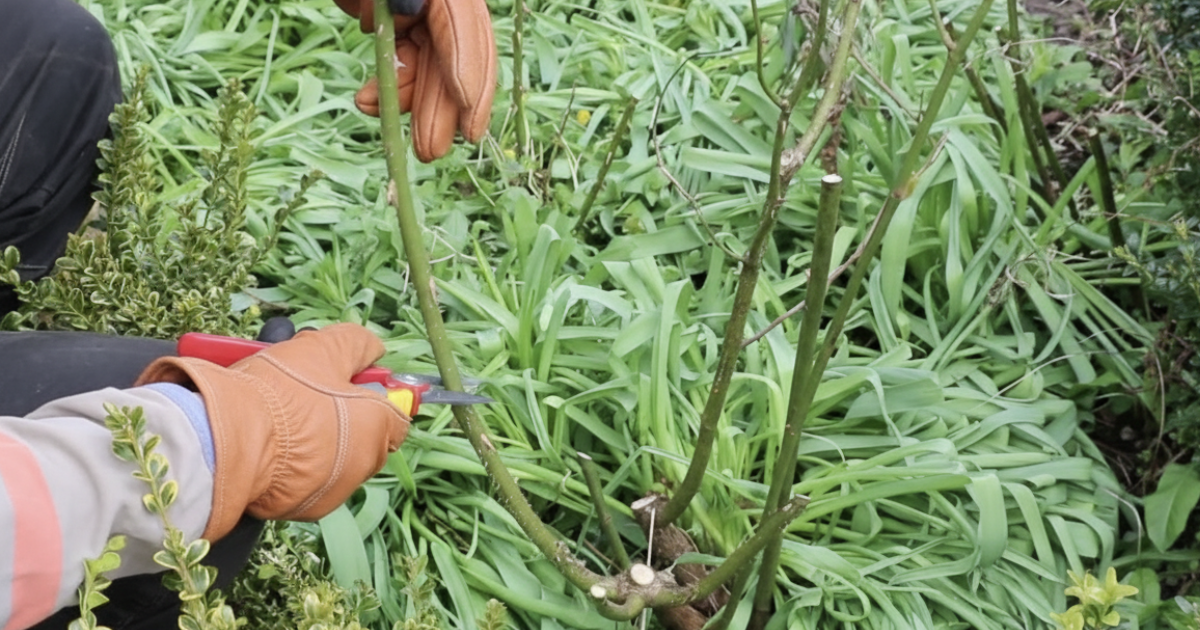
Pruning roses is one of those rituals in the British gardening calendar that can feel both exhilarating and nerve‑wracking. You’re standing in the garden in late winter, secateurs in hand, looking at a plant you’ve nurtured and admired, and you’re about to remove a surprising amount of it. It can feel counter‑intuitive, yet this is precisely when roses respond best to a confident trim.
Late February into early March is a genuine call to action because it sits in that narrow window between winter’s worst and spring’s surge. The days are lengthening and the sap is beginning to stir, but most roses are still dormant enough to tolerate firm cuts without sulking. Done now, pruning becomes a reset button: you’re clearing out tired, disease‑prone wood and directing the plant’s energy into fewer, stronger shoots that will carry this year’s flowers.
There’s also a practical reason to act: once growth really gets going, every cut is more disruptive. Prune too early and a hard frost can nip tender new shoots; prune too late and you’re cutting into active growth, wasting the plant’s stored reserves and leaving larger, slower‑healing wounds. Late winter, then, is not just convenient timing – it’s the best balance of plant physiology and British weather.
What late-winter pruning does for roses
A good prune is not about making roses smaller for the sake of it; it’s about improving the quality of what comes next. By removing weak, crossing and inward‑growing stems, you create an open framework that lets light in and air move through. That simple change reduces humidity around the leaves, which in turn lowers the risk of fungal problems such as black spot and mildew as the season warms.
Pruning also concentrates vigour. Roses have a finite amount of stored energy in late winter, and when you reduce the number of stems, the plant can push that energy into fewer shoots, making them thicker and more resilient. Thicker shoots are better able to support flowers, cope with wind, and recover after rain, which is no small advantage in a typical British summer.
Finally, late‑winter pruning is a chance to remove trouble before it spreads. Dead, damaged or diseased wood is easier to spot when the plant is bare, and cutting it out now reduces the amount of inoculum sitting in the garden waiting for spring. In other words, you’re not just shaping a rose – you’re setting the tone for the whole growing season.
Which roses should I prune in late‑winter?
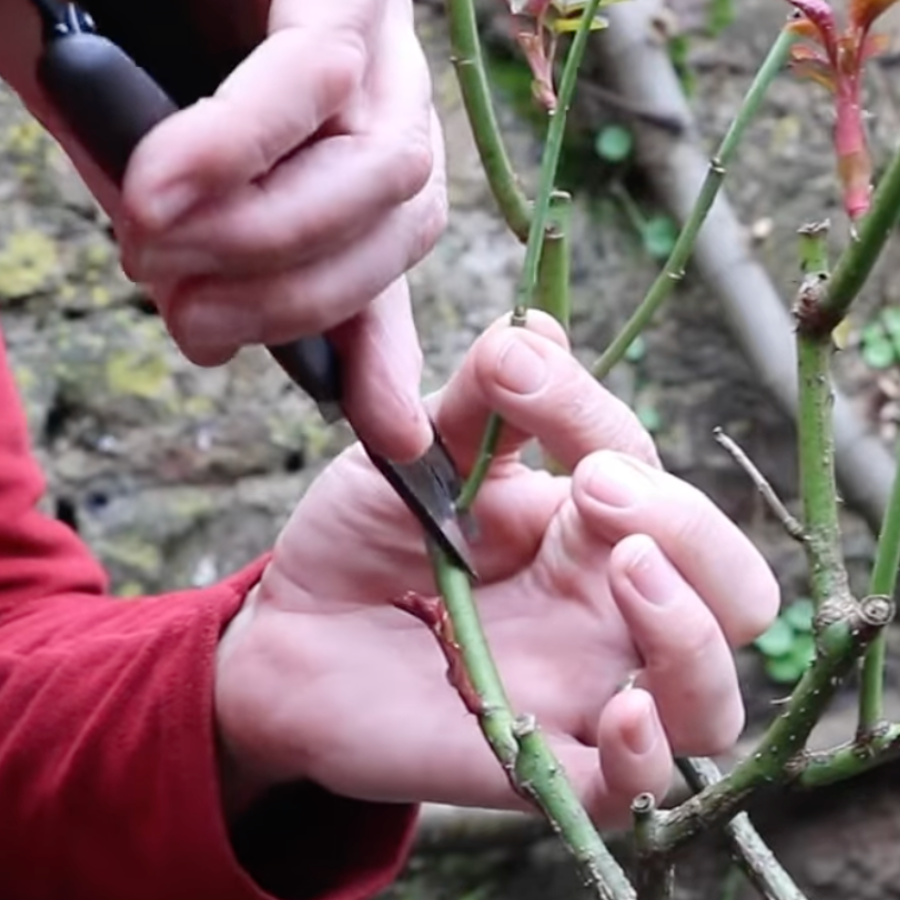
Some roses positively thrive on a hard prune at this time of year. Hybrid teas (large‑flowered hybrids) are the classic example: they’re bred to produce strong stems and big blooms, and they respond brilliantly when you cut back to a small number of sturdy canes. The result is vigorous new growth and better quality flowers, rather than a tangle of thin stems and smaller blooms.
Floribundas, with their clusters of blossoms, also benefit from a bold trim. Cutting them back keeps the plant compact and encourages lots of fresh flowering shoots, which is exactly what you want for a long season of colour. Many modern shrub roses can be treated similarly, though the degree of pruning is often slightly gentler to preserve their natural shape.
Hard pruning is not punishment – it’s renewal. The aim is to encourage the rose to regenerate with clean, healthy growth and a balanced structure. When you get it right, the plant looks tidier, flowers more abundantly, and is generally better equipped to resist disease.
Bush roses: a simple approach that builds better blooms
Bush roses such as hybrid teas (large-flowered hybrids) and floribundas (cluster-flowered hybrids) are the easiest place to build confidence because the method is clear and repeatable. Start by removing dead, damaged and spindly stems at the base, then choose three to five of the strongest, best‑placed stems to form the plant’s framework. If you’re unsure which to keep, favour stems that are thick, upright and well spaced.
Next, reduce those selected stems to a manageable height, typically around 30–40 cm from the ground, depending on the vigour of the variety and the look you want. The goal is a tidy, open structure rather than a dense thicket. If the rose is very vigorous you can leave it a little taller; if it’s weak or has struggled, a slightly harder prune can stimulate stronger replacement growth.
Finish by checking the shape. You’re aiming for a goblet or vase form, with the centre relatively open and the stems radiating outwards. That structure makes everything easier later – feeding, mulching, deadheading, and even spotting pests – because you can see what’s going on.
Shrub and climbing roses: prune for structure, not just size
Shrub roses are often more forgiving than hybrid teas, but they still benefit enormously from a late‑winter tidy and reshape. Rather than reducing everything to the same height, think in terms of structure: remove one or two of the oldest stems at the base to encourage fresh basal shoots, then shorten remaining stems by about a third to a half. This keeps the plant youthful without turning it into a set of stumps.
With climbing roses that repeat‑flower, late winter is also the right time to act. The main job is to keep a strong framework of long stems (the “skeleton”) and then shorten the side shoots that come off those main stems to a couple of buds. Those side shoots are where much of the flowering happens, and pruning them encourages lots of new flowering growth close to the main framework.
Don’t forget training. A climber that’s allowed to grow straight up will often flower mostly at the top, but if you tie stems in more horizontally you encourage more breaks along the length, which means more flowers from top to bottom. Late winter is ideal because the stems are easier to see and you can adjust ties without fighting a mass of leaves.
Take courage to prune hard
Many gardeners hesitate because a hard prune looks stark, even brutal, and it’s natural to worry you’ll “kill” the plant. Add conflicting advice from books, magazines and online forums, and it’s easy to freeze at the crucial moment. Yet roses are tougher than they appear, and a confident prune is far more often an act of care than a cause of harm.
What’s worth avoiding is the half‑hearted middle ground: lots of tiny snips that leave a dense, twiggy plant. That sort of pruning can create congestion, reduce airflow and encourage disease, while still failing to stimulate strong new growth. It’s also important to keep tools clean, particularly if you’re cutting out suspect stems, so you’re not inadvertently spreading problems from one plant to another.
Finally, remember that not all roses belong to the late‑winter pruning club. Rambling roses and once‑flowering climbers generally flower on older wood, so if you prune them hard now you may remove the stems that would have carried this year’s display. For those, enjoy the flowers first, then prune in late summer after flowering to keep them in bounds while preserving next year’s bloom.
6 TOP TIPS TO PRUNE LIKE A PRO
Even experienced gardeners can be thrown by roses, largely because there’s so much advice out there. The good news is that professional‑looking results come from a handful of consistent habits, not from memorising hundreds of rules. Use these tips as your checklist each time you prune.
- Choose the right day: prune on a dry day when hard frost isn’t forecast, so cuts can begin to dry and heal cleanly.
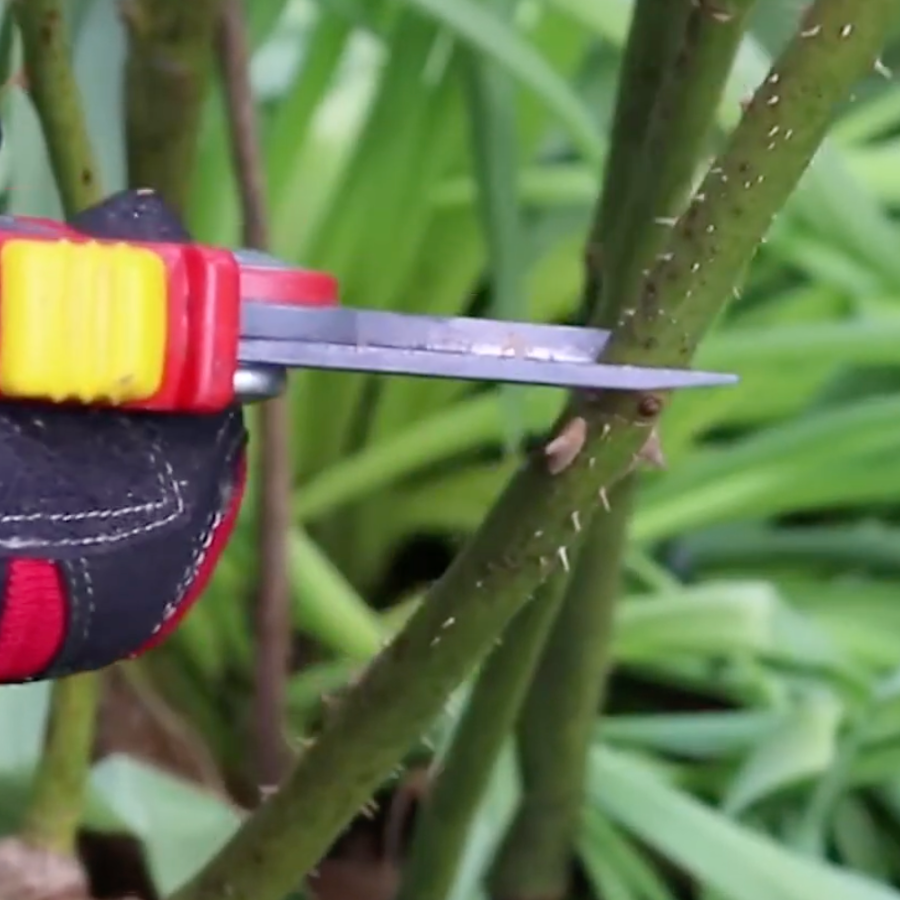
- Use sharp by‑pass secateurs: clean, precise cuts heal faster and reduce the chance of disease entering the stem.
- Remove the “3 Ds” first: dead, damaged and diseased wood goes before you think about shape or height.
- Cut to an outward‑facing bud: it encourages an open plant with better airflow and fewer disease problems.
- Angle your cut correctly: make a slight slope away from the bud so water sheds rather than sitting on the wound.
- Be decisive, then step back: make the cuts, then look at the overall framework and adjust for balance rather than fussing over every twig.
Share This Story!


Why have my dahlias stopped flowering?
By midsummer, dahlias should be starting to pump out the blooms, but I'm often asked why these normally reliable plants have stopped flowering in some people's gardens. It can even be the case that .....

Are alstoemerias good garden plants?
Although we see them regularly in bouquets of cut flowers, alstroemerias also make good garden plants. Also known as Peruvian lilies or lily of the Incas, they've not been widely grown in UK gardens, .....
Why have my dahlias stopped flowering?
By midsummer, dahlias should be starting to pump out the blooms, but I'm often asked why these normally reliable plants have stopped flowering in some people's gardens. It can even be the case that .....
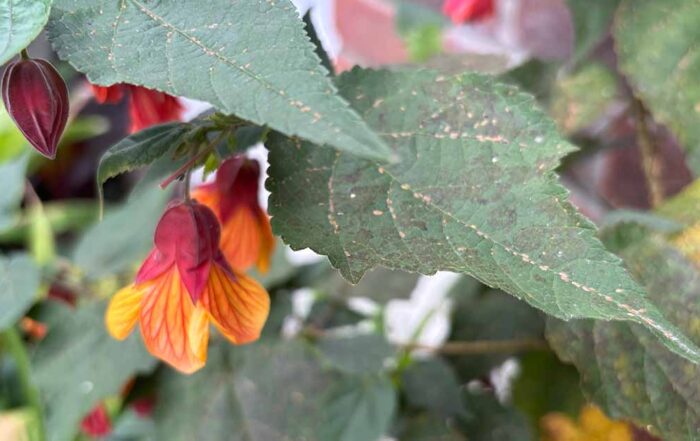
What are the sticky bumps on the stems and leaves of my plant?
It can be worrying when you come across something unusual in the undergrowth, especially when it takes the form of usual bumps on stems of plants and distinctly sticky leaves! While the first inclination .....
Are alstoemerias good garden plants?
Although we see them regularly in bouquets of cut flowers, alstroemerias also make good garden plants. Also known as Peruvian lilies or lily of the Incas, they've not been widely grown in UK gardens, .....

What is the best scented flower for winter?
It's official, I have a passion for daphnes and in my opinion these are the best plants for scented flower in late winter. Don't get me wrong, they're not new to me. But they .....